
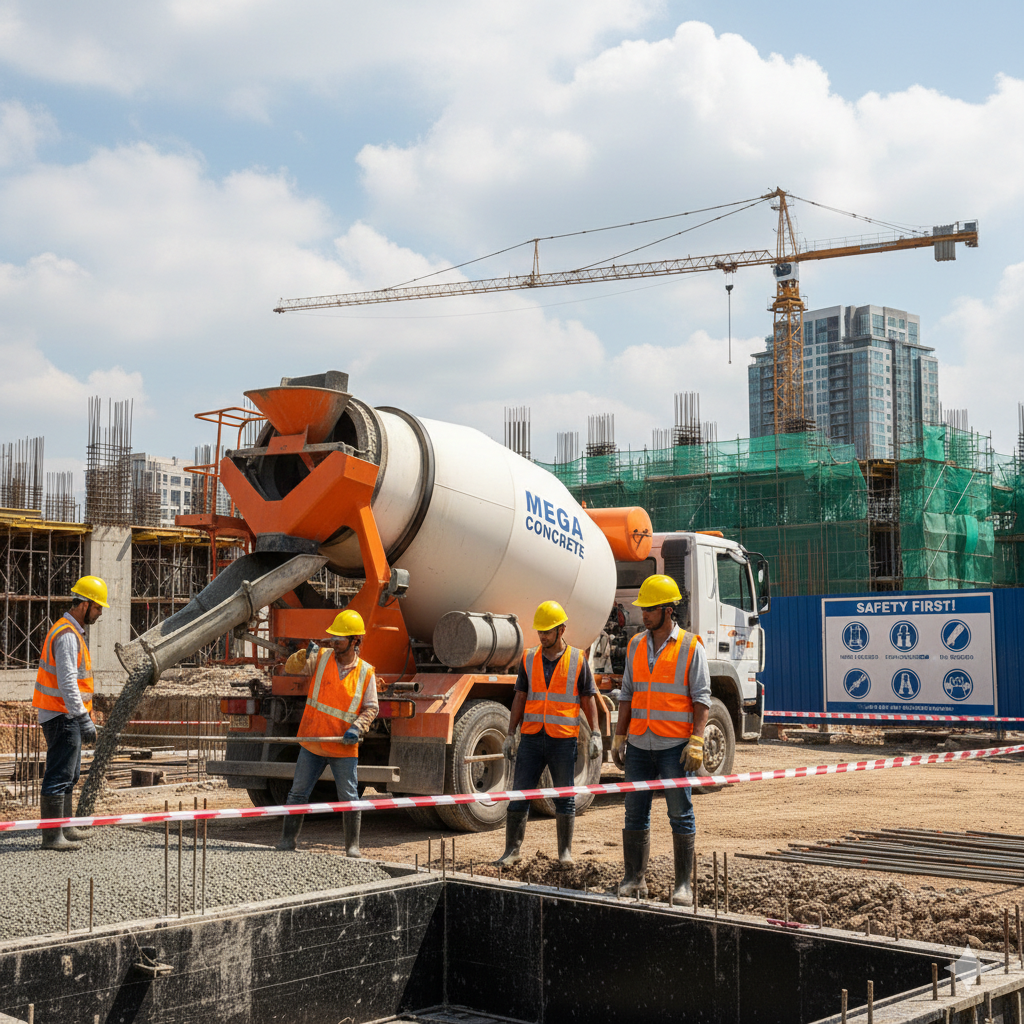
A Concrete Transit Mixer (CTM) is a specialized mobile vehicle designed to mix and transport ready-mix concrete from a batching plant to a construction site. The rotating drum ensures the concrete remains uniform, workable, and free from segregation or premature setting during transportation. CTMs play a critical role in maintaining construction quality, productivity, and schedule control across projects of all sizes.
Main Types of Concrete Transit Mixers
Truck-Mounted Transit Mixer
Truck-mounted transit mixers are built on heavy-duty truck chassis and are the most commonly used type in construction. These mixers typically have drum capacities ranging from 6 to 10 cubic meters, making them suitable for medium to large-scale projects. Their mobility, load capacity, and efficiency allow continuous concrete supply with minimal downtime.
Trailer Transit Mixer
Trailer transit mixers are towed by trucks or tractors and are commonly used for smaller or remote construction sites. They are cost-effective, easier to maintain, and suitable for low-volume concrete requirements. Their compact size allows access to areas where larger mixers cannot operate.
Volumetric Transit Mixer
Volumetric transit mixers mix concrete directly at the construction site. They have separate compartments for cement, sand, aggregate, and water, which are combined in precise proportions during discharge. This allows flexibility in adjusting mix designs, reduces material wastage, and ensures fresh concrete production on demand.
Working Process of a Concrete Transit Mixer
Concrete is loaded into the rotating drum at the batching plant, where mixing begins immediately. During transportation, the drum rotates slowly at approximately 2 to 6 RPM to maintain uniformity and prevent segregation. Internal spiral blades continuously mix the concrete while in transit. At the construction site, the drum rotation is reversed, allowing concrete to discharge through the chute. After unloading, the drum and chute must be cleaned promptly to prevent hardened concrete buildup.
CTM-Related Hazards
Mechanical Hazards
Mechanical hazards include entanglement with rotating drums or chutes, crushing injuries during chute adjustment, and unexpected hydraulic movements. These hazards can cause serious injuries if guards, lockouts, and safe procedures are ignored.
Vehicle Movement Hazards
Due to their size and weight, CTMs pose significant vehicle movement risks. Reversing accidents caused by blind spots, collisions in congested areas, and rollovers on uneven ground are common without proper speed control and banksman support.
Chemical and Health Hazards
Wet concrete contains alkaline cement that can cause severe skin burns and eye injuries. Cement dust during cleaning activities can cause respiratory problems, making appropriate PPE essential.
Electrical Hazards
Raising chutes near overhead power lines can result in electrocution. Faulty wiring, exposed electrical components, or damaged controls also increase electrical risk if inspections are neglected.
Noise and Ergonomic Hazards
High noise levels from CTM operation can affect hearing with prolonged exposure. Manual handling of chutes and heavy components can lead to musculoskeletal injuries if ergonomic practices are not followed.
Safety Inspection Responsibilities of a Safety Officer
Document Verification
The safety officer must verify valid vehicle registration, fitness certificates, driver licenses, CTM-specific training records, third-party inspection certificates, daily pre-start checklists, and maintenance records.
Physical Condition Inspection
The drum must rotate smoothly with proper guarding and no structural damage. Chutes must be securely locked. Hydraulic systems should be leak-free with intact hoses and secure fittings.
Safety Devices Check
Reverse alarms, horns, lights, and indicators must be functional. Emergency stop controls should work correctly. Mirrors and rear-view cameras must be clean and properly adjusted.
Tyres and Stability
Tyres must be in good condition with correct inflation and secured wheel nuts. Parking brakes must be effective, particularly on slopes and uneven terrain.
Electrical and Fire Safety
Battery terminals should be covered, wiring properly insulated, and fire extinguishers available, valid, and accessible.
Operational Safety
Site speed limits must be enforced. A trained banksman should guide all reversing operations. Discharge areas must be barricaded, and no personnel should stand beneath raised chutes.
Safe Working Practices for Concrete Transit Mixers
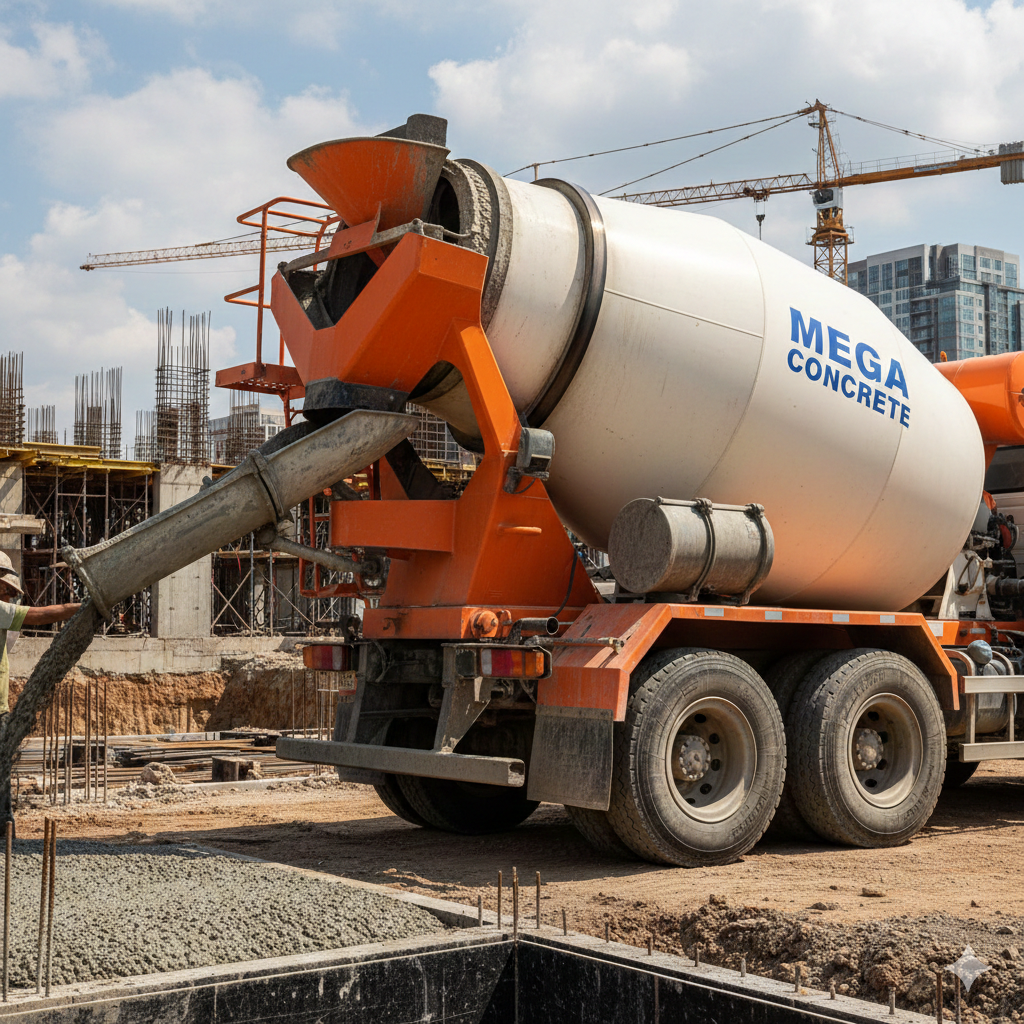
Only authorized and trained drivers should operate CTMs. Banksmen must be used in congested or reversing areas. Safe distances from overhead power lines must be maintained at all times. Workers should wear appropriate PPE, including helmets, goggles, gloves, and safety shoes. Drum cleaning must never be performed while the drum is rotating, and overloading beyond manufacturer limits must be strictly avoided.
Common Causes of CTM Accidents
Common causes include poor ground conditions at discharge points, absence of banksmen during reversing, unauthorized access near rotating parts, hydraulic system failures, and contact with overhead electrical lines due to poor planning or lack of awareness.
Conclusion
Concrete Transit Mixers are essential construction equipment but present significant safety risks if not properly managed. Understanding CTM operations, identifying hazards, conducting thorough inspections, and enforcing safe working practices are critical to preventing accidents. A well-maintained CTM operated by trained personnel under strict safety controls ensures efficient concrete delivery while protecting workers, equipment, and project integrity.