
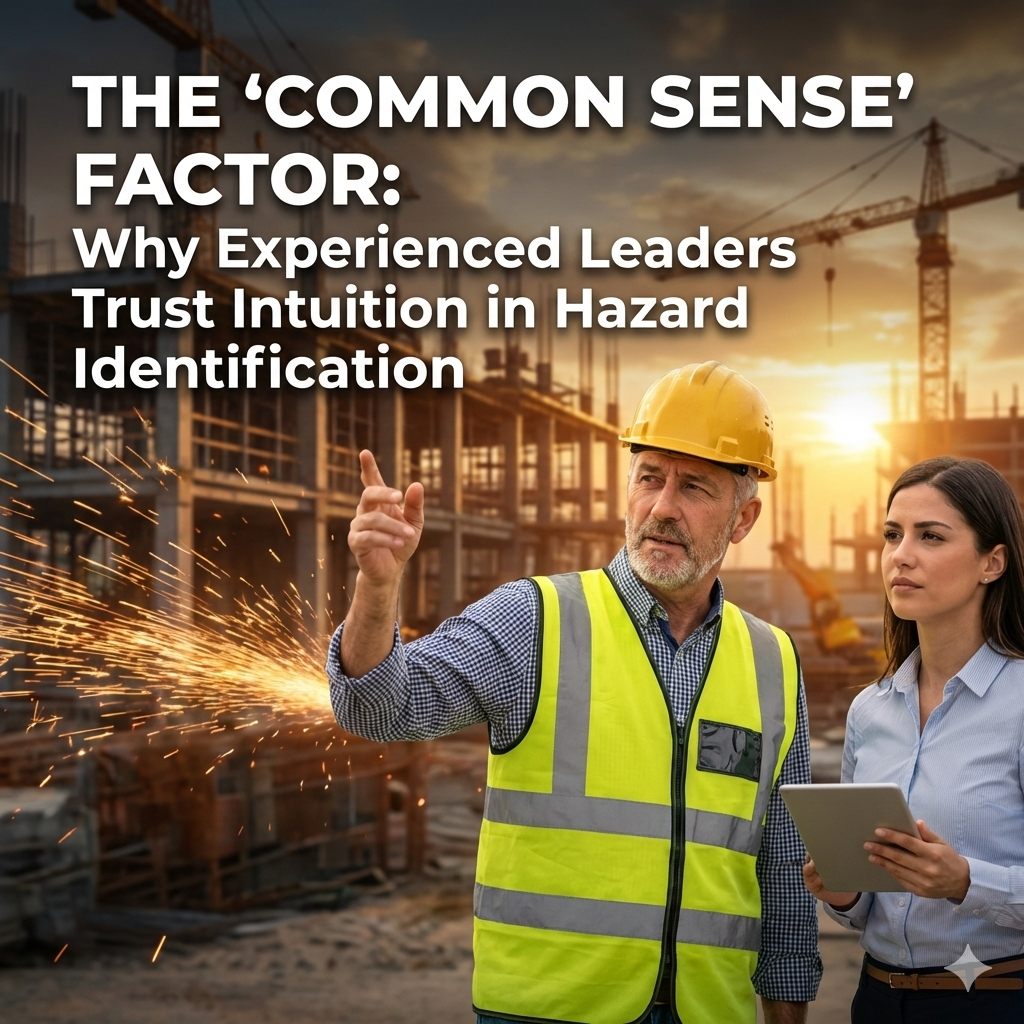
In workplace audits and inspections, experienced leaders often refer to something simple yet powerful — common sense.
But common sense in safety is not casual thinking. It is developed situational awareness built through experience, observation, and risk perception.
Senior professionals use their five senses effectively because they have trained their minds to recognize patterns, deviations, and unsafe conditions quickly.
What Is “Common Sense” in Safety?
In HSE practice, common sense means:
Practical judgment based on experience
Immediate recognition of unsafe conditions
Ability to foresee consequences
Proactive hazard identification
It is not guesswork — it is risk-based thinking developed over time.
How the Five Senses Build Safety Leadership
Experienced professionals continuously use their senses during audits.
👁 1️⃣ Sight – Pattern Recognition
Leaders do not just look — they analyze.
They quickly notice:
Small oil leaks
Improper stacking
Missing guards
Worker body posture
Unsafe behavior
Because of repeated exposure, their brain compares current conditions with safe standards. Any deviation becomes visible immediately.
This is called visual risk mapping.
👂 2️⃣ Hearing – Detecting Early Failure
An experienced engineer can identify a problem by sound alone.
Unusual vibration
Irregular compressor rhythm
Electrical humming
Air leakage
This is auditory anomaly detection. Years of exposure help professionals differentiate normal sound from risk-indicating sound.
👃 3️⃣ Smell – Early Warning Indicator
Before instruments alarm, experienced inspectors may detect:
Burning smell from cables
Gas leakage
Chemical vapors
Overheated insulation
Smell supports early-stage hazard recognition, especially in confined spaces or chemical environments.
✋ 4️⃣ Touch – Equipment Condition Awareness
With proper precautions, professionals may detect:
Abnormal heat
Excessive vibration
Loose components
Surface damage
This enhances preventive maintenance observation.
🚫 5️⃣ Taste – Not Used in Safety
Safety leadership avoids exposure. Ingestion is a hazardous route. Professional practice prohibits tasting unknown substances.
Why Experience Makes “Common Sense” Stronger
Leaders develop stronger hazard identification skills because:
✔ They have seen incidents before
✔ They understand root causes
✔ They connect small signs to major consequences
✔ They think in terms of risk probability and severity
For example:
A new inspector may see oil on the floor.
An experienced leader immediately thinks:
Slip hazard
Near-miss potential
Poor housekeeping system
Weak supervision
Maintenance gap
This is systems thinking, not just observation.
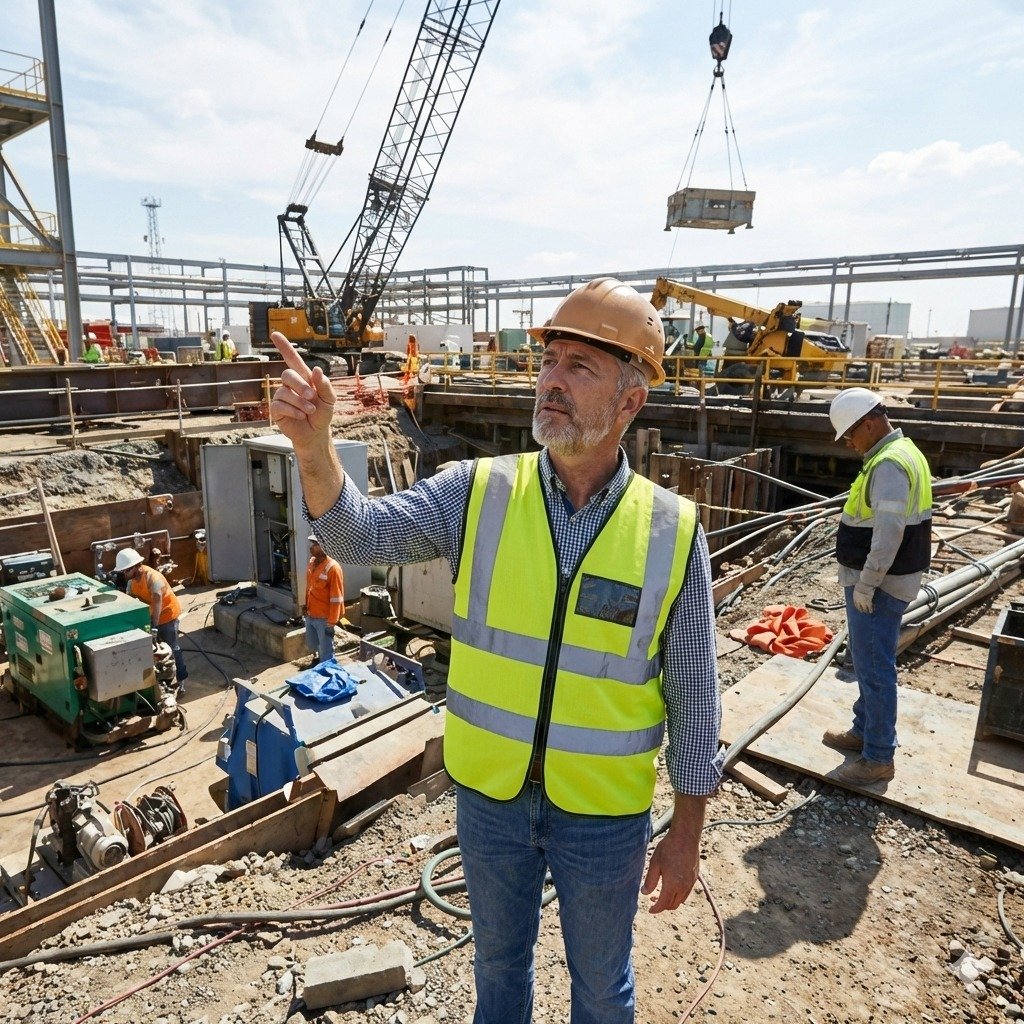
Common Sense Is Actually Structured Thinking
In technical terms, what we call “common sense” includes:
Situational awareness
Behavioral observation
Risk anticipation
Human factors understanding
Preventive mindset
It is developed through:
Repeated audits
Incident investigation
Toolbox talks
Field exposure
Continuous learning
Limitation of Common Sense
Even experienced professionals:
Can become overconfident
May develop hazard blindness
Might ignore low-frequency risks
Therefore, leadership combines:
Sensory awareness
Formal audit checklists
Instrument monitoring
Legal compliance review
Conclusion
Leaders and experienced professionals rely on “common sense” because it is a product of:
Experience + Observation + Risk Knowledge + Pattern Recognition.
It allows faster hazard detection and proactive decision-making.
In safety management, common sense is not simple thinking — it is trained professional judgment built over years of field exposure.