
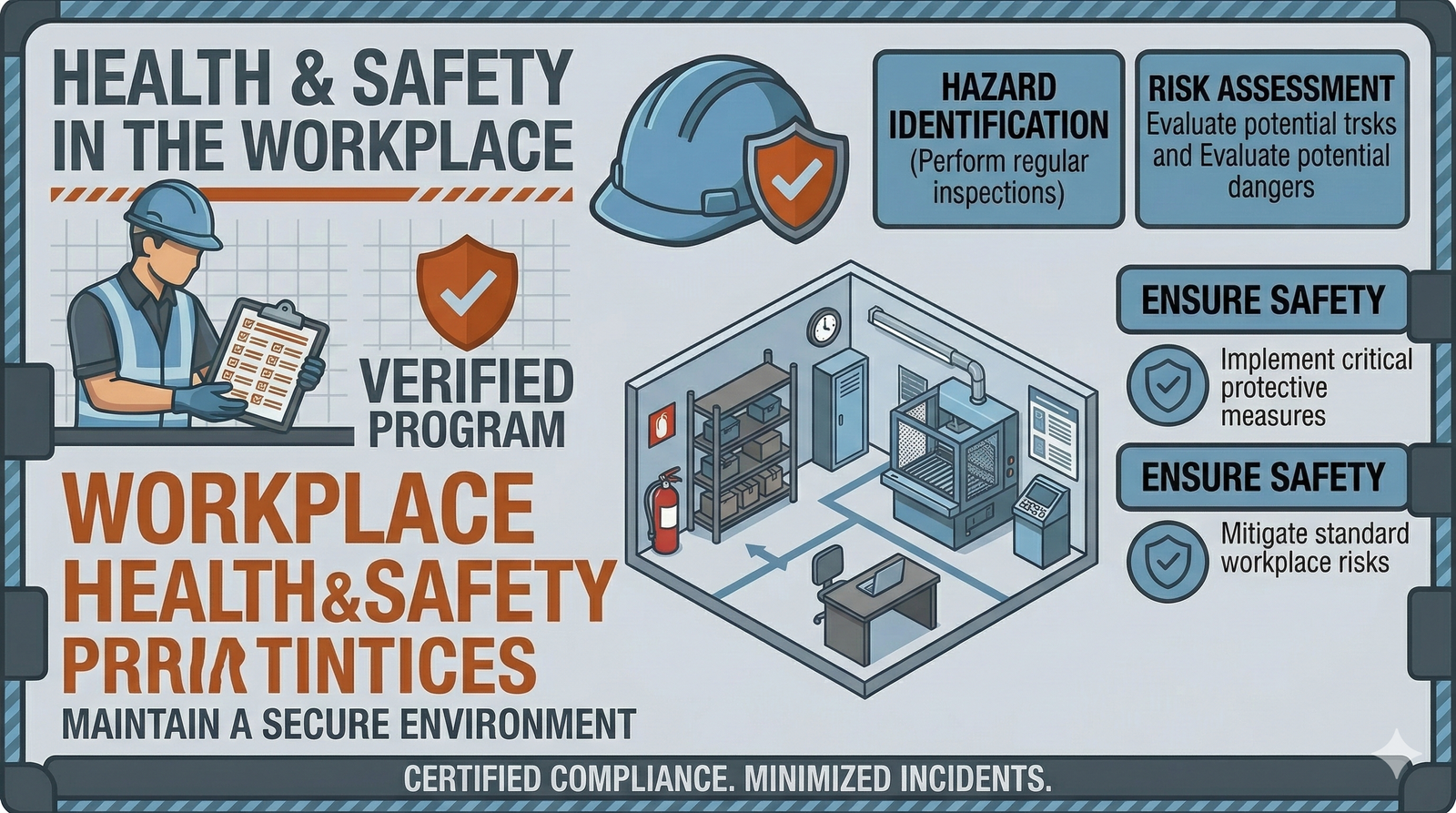
Managing Health, Safety, and Environment (HSE) is not optional — it is essential for every workplace. Proper HSE management protects workers, improves business performance, and ensures legal compliance.
Here are the three major reasons to manage HSE effectively:
1️⃣ Moral Responsibility – Protecting Human Life
✅ Explanation
The first and most important reason to manage HSE is moral. Every employer and manager has a duty to ensure their employees return home safely after work.
Neglecting safety can lead to:
Injuries
Fatal accidents
Occupational illnesses
🔎 Impact on Workplace
Workers feel unsafe and stressed
Low motivation and poor productivity
Damaged trust between employees and management
📌 Example
In a chemical plant, failing to provide proper PPE for workers handling corrosive chemicals can lead to severe burns. Preventive HSE measures could save lives.
Moral responsibility is about doing the right thing — protecting human life and well-being.
2️⃣ Legal Responsibility – Compliance with Laws
✅ Explanation
The second reason is legal compliance. Every country has laws and regulations governing workplace safety. Failure to comply can result in:
Fines and penalties
Legal actions and lawsuits
Suspension of operations
For example, the Occupational Safety and Health Administration (OSHA) sets workplace safety standards in the USA. Similarly, many countries follow guidelines from the International Labour Organization (ILO) for occupational safety.
🔎 Impact on Workplace
Legal non-compliance can stop production
Damages company reputation
May lead to criminal charges in severe cases
📌 Example
If a factory does not maintain fire exits according to national safety regulations and a fire occurs, management may be legally responsible for injuries or fatalities.
Legal responsibility ensures companies follow standards and avoid penalties.
3️⃣ Financial Responsibility – Protecting Business Interests
✅ Explanation
The third reason is financial. Poor HSE management can cost businesses a lot:
Medical treatment and compensation for injured employees
Lost productivity due to absenteeism
Repair or replacement of damaged equipment
Insurance premium increases
🔎 Impact on Workplace
High operational costs
Delayed production schedules
Reduced profitability
📌 Example
In a construction company, a worker falls from scaffolding due to inadequate fall protection. The company must pay compensation, repair equipment, and may lose a contract — all adding up to significant financial loss.
Financial responsibility shows that preventing accidents saves money and resources.
✅ Additional Benefits of HSE Management
Beyond moral, legal, and financial reasons, effective HSE management also:
Improves workplace morale and job satisfaction
Boosts productivity and efficiency
Reduces absenteeism
Strengthens company reputation among clients and employees
Good HSE practice is not just about compliance; it is good business strategy.