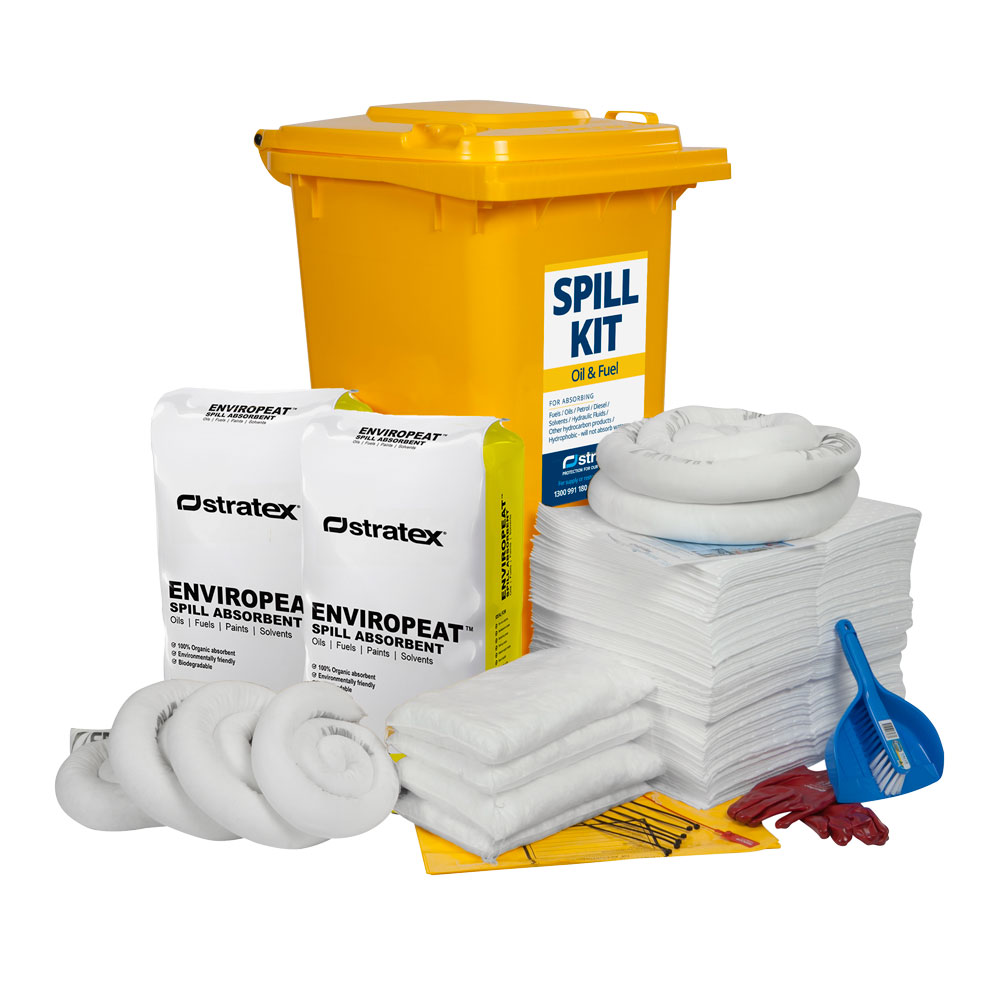
Introduction to Spill Kit
Spill kit in modern industries, workplaces frequently handle various liquids such as oils, fuels, lubricants, chemicals, solvents, paints, acids, alkalis, and other hazardous substances. These materials are essential for production, maintenance, transportation, and operational activities; however, they also present significant risks when accidentally released into the workplace. A leak from a damaged pipe, an overflowing container, a ruptured drum, a failed valve, or even simple human error can result in a spill incident. Although many people perceive spills as minor housekeeping issues, the reality is that spills can quickly develop into serious workplace emergencies affecting workers, equipment, property, business operations, and the environment.
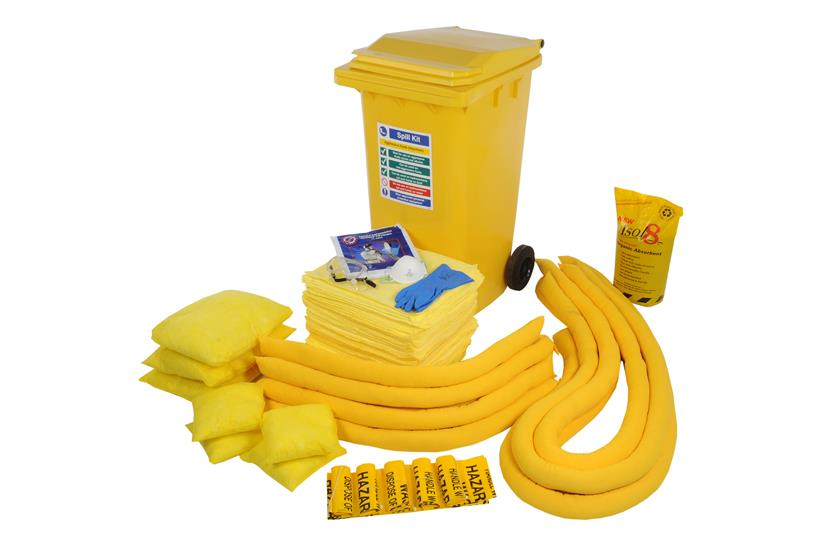
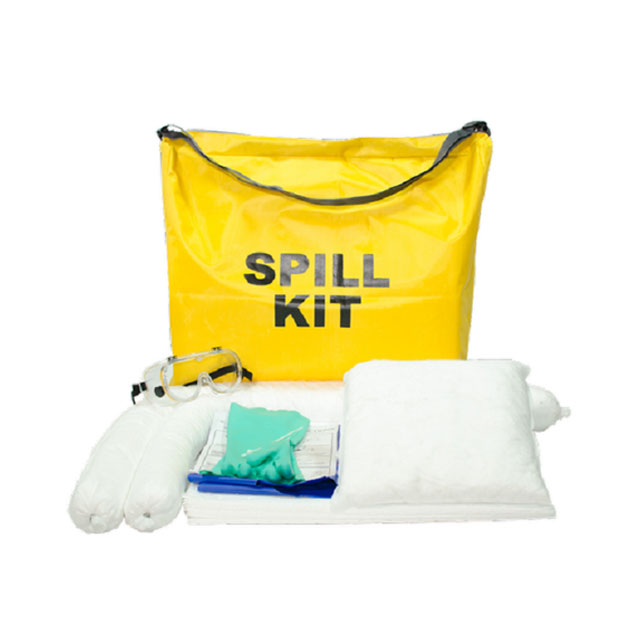
A spill kit is a specially designed emergency response package containing absorbent materials, containment devices, personal protective equipment, cleanup tools, and waste disposal materials used to control and manage accidental spills safely and effectively. It is one of the most important emergency preparedness resources available in workplaces where hazardous liquids are stored, transported, transferred, or utilized.
The primary objective of a spill kit is not merely cleaning up a spill after it occurs. Rather, its purpose is to provide an immediate and effective means of controlling hazards at the source, minimizing exposure to workers, preventing environmental contamination, reducing fire and explosion risks, protecting business assets, and ensuring compliance with occupational health, safety, and environmental regulations.
In occupational health and safety management, spill kits are considered an essential component of emergency preparedness and response planning. They form part of a proactive safety strategy designed to ensure that when an accidental release occurs, employees can take immediate action to contain the incident before it escalates into a larger emergency. The effectiveness of a spill response often depends on the speed at which control measures are implemented. A spill kit allows organizations to respond within minutes rather than waiting for external emergency assistance.
The importance of spill kits has become even more significant in recent years because environmental regulations worldwide have become increasingly strict. Governments and regulatory agencies now expect organizations to prevent pollution, protect workers from hazardous substances, and maintain adequate emergency response arrangements. Failure to control spills can lead to severe legal penalties, environmental cleanup costs, compensation claims, reputational damage, operational disruptions, and even criminal prosecution in some jurisdictions.
Whether in manufacturing facilities, warehouses, chemical plants, laboratories, construction sites, hospitals, airports, marine terminals, fuel stations, power plants, or oil and gas installations, spill kits provide a critical first line of defense against one of the most common workplace emergencies.
Why Spills Are Considered a Major Workplace Hazard
To fully understand the importance of a spill kit, it is necessary to understand why spills are classified as significant workplace hazards. A spill is not simply a liquid on the floor; it represents an uncontrolled release of a substance that may create multiple hazards simultaneously.
When a liquid escapes from its intended container or system, it immediately creates unsafe conditions. Depending upon the substance involved, the spill may introduce physical hazards, chemical hazards, biological hazards, environmental hazards, and operational hazards. In many cases, a single spill incident can create several of these hazards at the same time.
For example, imagine a hydraulic hose failure on a construction excavator. Hydraulic oil begins leaking onto the ground. Initially, workers may view the situation as a maintenance issue. However, the leaked oil quickly creates a slippery surface that can cause slip and fall accidents. If the oil reaches a drainage system, environmental contamination may occur. If the hydraulic system operates near hot equipment, there may be a fire risk. If workers attempt cleanup without proper protection, they may suffer skin irritation or other health effects. Thus, a single spill can create multiple pathways to injury, environmental damage, and financial loss.
This is why health and safety professionals treat spill management as an important element of risk control.
How Spill Kit Control Workplace Hazards
A spill kit serves as a practical hazard control measure that interrupts the sequence of events that could transform a small spill into a major emergency. From a risk management perspective, spill kits help reduce both the likelihood and severity of incidents.
Control of Slip, Trip, and Fall Hazards
One of the most immediate dangers associated with spills is the increased risk of slips, trips, and falls. Oil, fuel, solvents, lubricants, and many chemicals create extremely slippery surfaces. Workers walking through contaminated areas may lose their balance, leading to injuries such as fractures, sprains, back injuries, head trauma, and musculoskeletal disorders.
The absorbent pads, socks, and pillows contained within a spill kit rapidly absorb spilled liquids and prevent them from spreading across walking surfaces. By removing the liquid hazard quickly, the risk of slip-related accidents is significantly reduced.
According to workplace injury statistics across multiple industries, slips, trips, and falls remain one of the leading causes of lost-time injuries. Therefore, rapid spill control directly contributes to reducing workplace accident rates.
Control of Chemical Exposure Hazards
Many industrial chemicals possess hazardous properties that can cause serious health effects. Workers exposed to chemicals through skin contact, inhalation, ingestion, or eye contact may experience immediate injuries or long-term occupational illnesses.
Examples include:
- Chemical burns from acids
- Skin irritation from solvents
- Respiratory problems from chemical vapors
- Eye injuries from corrosive liquids
- Poisoning from toxic substances
Spill kits help control these hazards by providing containment materials that prevent further spread and personal protective equipment that protects responders during cleanup operations.
When employees use gloves, goggles, face shields, and protective clothing supplied within the spill kit, their exposure to hazardous substances is significantly reduced.
Control of Environmental Hazards
Environmental protection is one of the most important reasons organizations invest in spill kits.
Many substances commonly used in workplaces can cause severe environmental damage if released into the natural environment. Oils and fuels can contaminate rivers and groundwater. Chemicals can destroy aquatic ecosystems. Toxic substances can affect wildlife and agricultural land.
Once contamination enters waterways or groundwater systems, cleanup becomes extremely difficult and expensive. In many cases, environmental damage can persist for years.
Spill kits contain absorbent booms, drain covers, and containment barriers that prevent hazardous substances from entering drainage systems and surrounding environments. These controls help organizations comply with environmental protection regulations while minimizing ecological impacts.
Control of Fire and Explosion Hazards
Many liquids used in industrial operations are flammable. Examples include:
- Petrol
- Diesel
- Solvents
- Paint thinners
- Aviation fuel
- Certain chemicals
When these substances spill, they often release vapors that can ignite if exposed to ignition sources such as sparks, welding operations, electrical equipment, hot surfaces, or open flames.
A small fuel spill may appear harmless initially, but if vapors accumulate in a confined area, an explosion could occur.
Spill kits reduce these risks by enabling rapid containment and removal of flammable liquids before dangerous vapor concentrations develop.
Control of Operational Hazards
Spills frequently disrupt business operations. Production lines may need to shut down. Equipment may become contaminated. Employees may require evacuation. Products may become damaged.
By controlling spills quickly, organizations minimize downtime and maintain operational continuity. This contributes directly to productivity and profitability.
Where Are Spill Kits Used?
Spill kits are used wherever liquids create potential hazards.
Manufacturing Facilities
Manufacturing plants utilize lubricants, coolants, chemicals, solvents, paints, oils, and cleaning agents. Spill kits are positioned near machinery, storage areas, and production lines to provide immediate response capability.
Construction Sites
Construction activities involve diesel fuel, hydraulic oils, paints, chemicals, curing compounds, and other hazardous substances. Heavy equipment frequently experiences leaks, making spill kits essential for environmental protection and worker safety.
Oil and Gas Industry
The oil and gas sector handles enormous volumes of hydrocarbons. Exploration sites, drilling rigs, refineries, pipelines, tank farms, and fuel terminals all require spill kits to manage accidental releases.
Warehouses and Distribution Centers
Chemical storage facilities maintain spill kits near storage racks, loading docks, and transfer areas where containers may become damaged during handling operations.
Laboratories
Research and testing laboratories frequently handle corrosive, toxic, reactive, and flammable substances. Spill kits help laboratory personnel control incidents before they expose workers or damage facilities.
Hospitals and Healthcare Facilities
Hospitals use chemical disinfectants, laboratory reagents, pharmaceutical products, and biological materials that may require specialized spill response procedures.
Airports
Aircraft fueling operations involve large quantities of aviation fuel. Spill kits help manage leaks and spills that may occur during refueling activities.
Marine Facilities
Ports, harbors, ships, and offshore platforms rely heavily on spill kits to prevent environmental contamination of oceans, rivers, and coastal areas.
What Standards and Regulations Require Spill Kits?
Many people ask which standard specifically says that a spill kit must be present.
The answer is that several international standards and regulations require organizations to establish spill response and emergency preparedness measures. Spill kits are one of the most widely accepted methods of meeting these requirements.
The environmental management standard developed by the International Organization for Standardization, known as ISO 14001, requires organizations to identify environmental risks and establish emergency preparedness and response procedures for accidental releases. Because spills represent a significant environmental risk, organizations commonly use spill kits to satisfy these requirements.
The Occupational Safety and Health Administration requires employers to protect workers from hazardous chemicals and maintain procedures for emergency response. Spill kits support compliance by providing immediate control measures for hazardous substance incidents.
The Health and Safety Executive recommends effective arrangements for controlling hazardous substances and preventing environmental contamination.
The International Labour Organization promotes emergency preparedness, risk control, pollution prevention, and safe handling of hazardous substances, all of which support the implementation of spill response equipment.
In addition to these international frameworks, many clients in construction, oil and gas, manufacturing, and infrastructure projects specifically require spill kits within contractual HSE requirements before work can commence.