

Introduction to Workplace Safety
Workplace safety is the structured approach of protecting employees, equipment, and the working environment from harm, injury, and damage. It is not limited to avoiding accidents only but also includes creating a healthy, controlled, and productive environment where risks are managed before they turn into incidents. In modern industries, workplace safety has become a core requirement because workplaces involve machinery, chemicals, electricity, manual handling tasks, and human interaction, all of which carry potential hazards. A strong safety system ensures that every worker understands risks and follows safe practices consistently.
Meaning and Scope of Workplace Safety
Workplace safety covers all procedures, policies, and actions taken to prevent occupational injuries and illnesses. It applies to every type of workplace including construction sites, factories, offices, oil and gas industries, and warehouses. The scope of workplace safety is very broad as it includes physical safety, mental well-being, environmental protection, and emergency preparedness. It ensures that hazards are not only identified but also controlled through systematic planning and continuous monitoring.
Importance of Workplace Safety
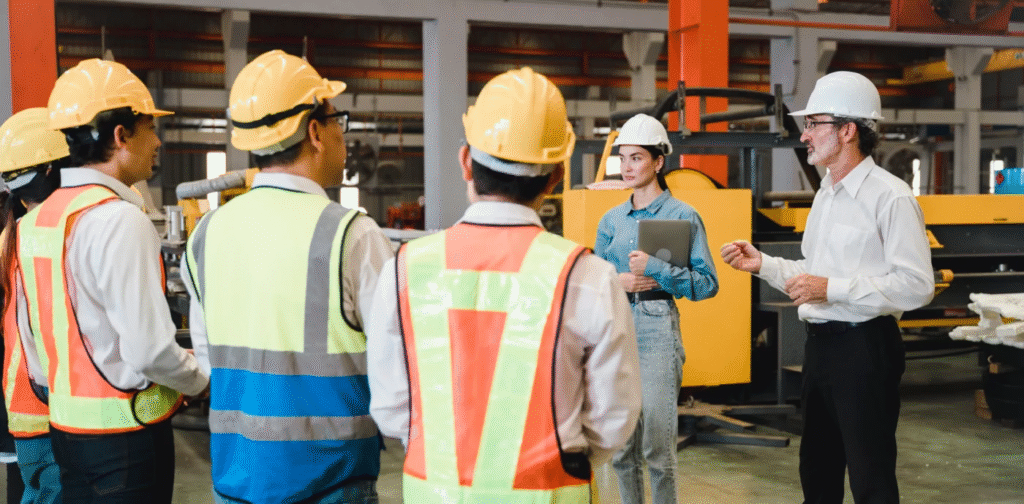
Workplace safety is extremely important because it directly protects human life, which is the most valuable asset of any organization. When employees feel safe, they perform their tasks with confidence and efficiency. Unsafe workplaces lead to accidents, injuries, and sometimes permanent disabilities or fatalities, which can deeply affect families and organizations. In addition, safety reduces financial losses caused by medical expenses, compensation claims, damaged equipment, and production delays. It also helps organizations comply with legal requirements and avoid penalties. A safe workplace builds trust, improves morale, and increases overall productivity.
Common Workplace Hazards
Every workplace contains different types of hazards that can cause harm if not controlled. Physical hazards include slips, trips, falls, unguarded machinery, noise, and working at height. Chemical hazards arise from exposure to gases, fumes, dust, and hazardous liquids that can cause respiratory issues or burns. Biological hazards include bacteria, viruses, and fungi that are common in healthcare and food industries. Ergonomic hazards occur when workstations are poorly designed, leading to back pain, strain injuries, and fatigue. Electrical hazards include exposed wiring and faulty equipment, while fire hazards come from flammable materials and unsafe storage practices. Identifying these hazards is the first step toward prevention.
Risk Assessment in Workplace Safety
Risk assessment is the systematic process of identifying hazards, evaluating risks, and implementing control measures to reduce the chances of accidents. It starts with identifying what could cause harm in the workplace. After identification, the likelihood and severity of harm are analyzed to understand the level of risk. Once risks are evaluated, appropriate control measures are applied to eliminate or reduce them. Finally, all controls must be regularly reviewed and updated to ensure they remain effective. Risk assessment is a continuous process and forms the foundation of all safety systems.
Hierarchy of Control Measures
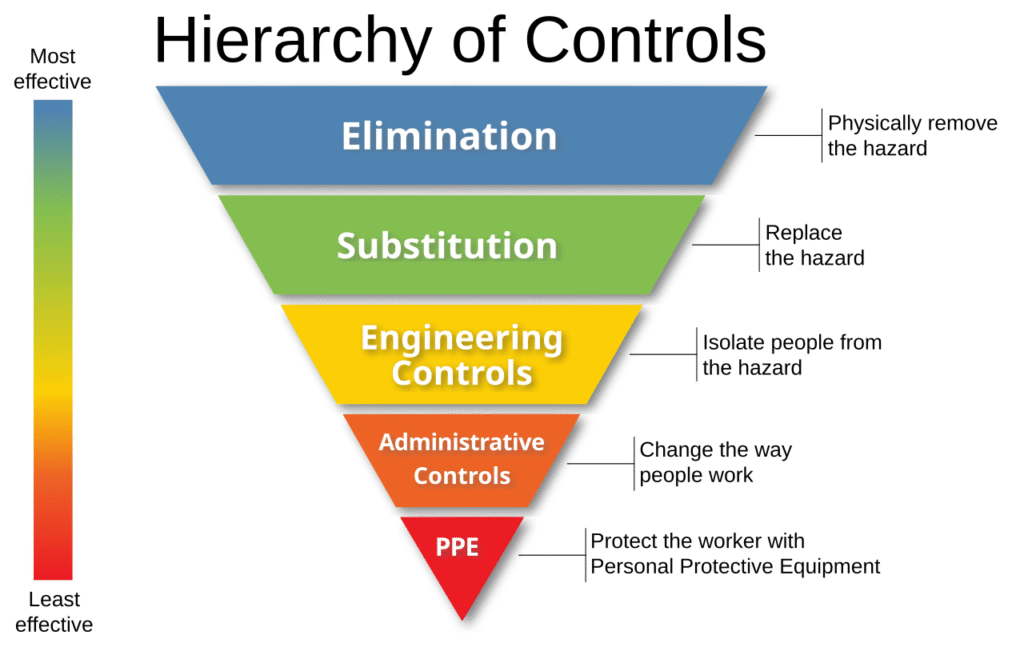
The hierarchy of controls is a structured method used to manage workplace risks in order of effectiveness. The most effective method is elimination, where the hazard is completely removed from the workplace. If elimination is not possible, substitution is used to replace the hazard with a safer alternative. Engineering controls are then applied to isolate people from hazards using physical changes such as machine guards or ventilation systems. Administrative controls include safety procedures, training, supervision, and safe work methods. Personal Protective Equipment (PPE) is the last line of defense and includes helmets, gloves, goggles, and safety shoes, which protect workers when other controls are not sufficient.
Role of Safety Training and Awareness
Safety training plays a vital role in reducing workplace accidents. Employees must be trained to identify hazards, follow safe procedures, and respond correctly in emergency situations. Proper training ensures that workers understand how to use equipment safely and wear PPE correctly. Regular refresher training is also necessary because workplace conditions and risks can change over time. Awareness programs, toolbox talks, and safety meetings help keep safety at the top of employees’ minds and encourage safe behavior in daily tasks.
Emergency Preparedness and Response
Every workplace must have a well-developed emergency preparedness plan to deal with unexpected incidents such as fires, chemical spills, explosions, or natural disasters. Emergency preparedness includes evacuation routes, alarm systems, fire extinguishers, first aid facilities, and trained emergency response teams. Regular drills are conducted to ensure employees know how to react quickly and safely during emergencies. A well-prepared workplace reduces panic, minimizes damage, and saves lives during critical situations.
Personal Protective Equipment (PPE)
Personal Protective Equipment is essential when hazards cannot be fully eliminated. PPE acts as a physical barrier between the worker and the hazard. It includes helmets for head protection, gloves for hand safety, goggles for eye protection, respirators for breathing safety, ear protection for noise control, and safety shoes for foot protection. However, PPE should never be the first choice of control. It must be properly selected, maintained, and used correctly to ensure maximum protection.
Safety Culture in the Workplace
Safety culture refers to the shared values, beliefs, and attitudes toward safety within an organization. In a strong safety culture, every employee takes responsibility for safety, and management actively supports safe practices. Workers feel encouraged to report hazards and near misses without fear of punishment. Organizations with a positive safety culture experience fewer accidents because safety becomes part of daily behavior rather than just a rule to follow.
Incident Reporting and Investigation
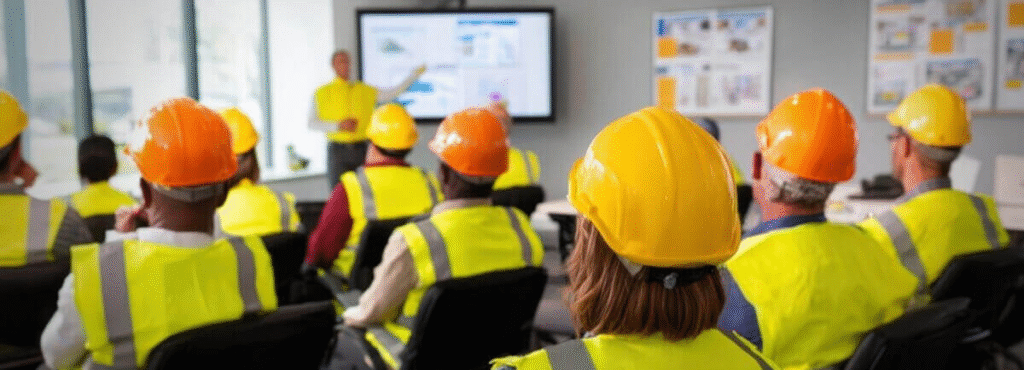
Incident reporting and investigation are important tools for preventing future accidents. Every incident, whether minor or major, should be reported immediately. The purpose of investigation is to identify root causes rather than just surface-level issues. This helps organizations understand why an incident occurred and how it can be prevented in the future. Findings from investigations are used to improve safety systems and update procedures.
Legal Compliance and Standards
Workplace safety is governed by national laws and international standards such as OSHA guidelines, ILO conventions, and industry-specific regulations. Organizations must comply with these legal requirements to ensure safe working conditions. Legal compliance not only protects employees but also shields organizations from penalties and legal action. Regular audits and inspections are conducted to ensure compliance with safety standards.
Role of Management in Safety
Management plays a crucial role in establishing and maintaining workplace safety. Leaders are responsible for providing resources, training, and safety equipment to workers. They must enforce safety rules, conduct regular inspections, and promote a culture of safety throughout the organization. When management shows commitment to safety, employees are more likely to follow safe practices and take safety seriously.
Conclusion
Workplace safety fundamentals form the backbone of every successful and responsible organization. A safe workplace is achieved through hazard identification, risk assessment, proper training, use of PPE, strong safety culture, and effective management involvement. Safety is not a one-time effort but a continuous process that requires dedication, awareness, and teamwork from all levels of an organization.