

Complete Safety Guide for Hazard Control and Prevention
Introduction
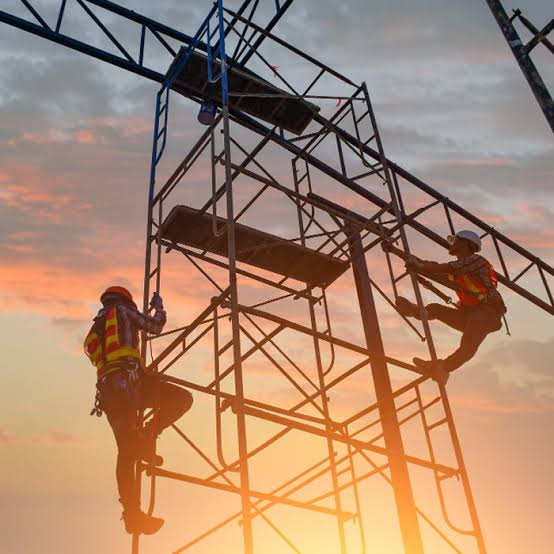
Working at Height refers to any task where a person could fall from one level to another and suffer injury. It is one of the most critical and high-risk activities in occupational health and safety because even a relatively small fall can result in serious injury or fatality. Activities such as working on ladders, scaffolds, rooftops, platforms, cranes, mezzanines, or any elevated surface fall under this category. In industries like construction, maintenance, oil and gas, telecommunications, and manufacturing, working at height is a routine activity, but it also remains one of the leading causes of workplace deaths worldwide.
The risk in working at height does not only depend on height itself but also on environmental conditions, equipment used, competency of workers, and safety systems in place. Poor planning, inadequate training, unsafe equipment, or lack of fall protection systems can quickly turn a routine task into a life-threatening situation. Therefore, working at height requires strict planning, supervision, and implementation of control measures to ensure safety at every stage of the job.
Legal and Regulatory Requirements
Working at height is strictly regulated under international safety standards such as those provided by the Health and Safety Executive. According to safety regulations, employers have a legal duty to ensure that all work at height is properly planned, supervised, and carried out by competent persons. They must also ensure that risks are assessed before work begins and that appropriate control measures are implemented.
Legal requirements emphasize the hierarchy of control, which prioritizes eliminating work at height wherever possible. If elimination is not possible, then engineering controls, collective protection measures such as guardrails, and finally personal protective equipment must be used. Employers must also ensure regular inspection of equipment like scaffolding, ladders, harnesses, and anchor points to prevent failure during use. Compliance with legal requirements is not optional; it is a fundamental responsibility of every organization to prevent accidents and fatalities.
Common Hazards in Working at Height
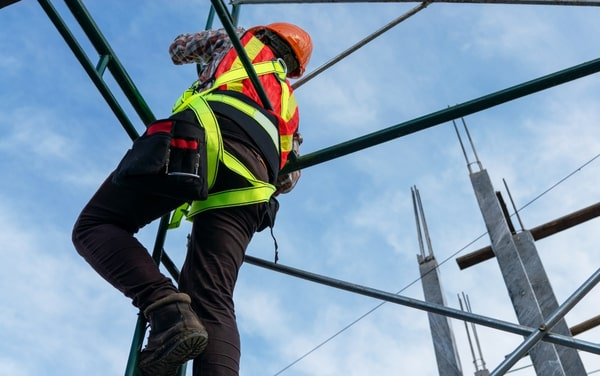
Working at height involves multiple hazards that can lead to serious incidents if not properly controlled. The most obvious hazard is falling from height, which can result in severe injuries such as fractures, spinal damage, or death. However, there are also secondary hazards such as falling objects, unstable working platforms, electrical hazards from overhead power lines, and environmental conditions such as strong winds, rain, or slippery surfaces.
Another significant hazard is structural failure of equipment such as ladders, scaffolds, or platforms. Poorly assembled scaffolding or defective ladders can collapse without warning. Human factors such as fatigue, distraction, lack of training, or failure to follow procedures also significantly increase risk. In many cases, accidents occur due to a combination of these hazards rather than a single cause, making risk assessment and planning extremely important.
Risk Assessment and Planning for Working at Height
Before any work at height begins, a detailed risk assessment must be carried out to identify potential hazards, evaluate risks, and determine suitable control measures. This process involves understanding the nature of the work, duration of the task, environmental conditions, and equipment required. A proper risk assessment ensures that hazards are identified before work starts rather than reacting after an incident occurs.
Planning also includes selecting the safest method of access and working platform. The safest option is always to avoid working at height if possible. If it cannot be avoided, engineers and safety professionals must ensure that the most suitable equipment is used. Planning also includes emergency arrangements such as rescue procedures in case a worker falls or becomes suspended in a harness. Without proper planning, even well-trained workers can be exposed to unnecessary risks.
Control Measures and Hierarchy of Control
Control measures for working at height must follow the hierarchy of control. The first and most effective control is elimination, which means avoiding working at height entirely by performing tasks at ground level using extended tools or prefabrication methods. If elimination is not possible, then collective protection such as guardrails, edge protection, and safety nets should be used.
Where collective protection is not sufficient, personal protective equipment such as safety harnesses, lanyards, and fall arrest systems must be used. However, PPE should always be considered the last line of defense. Additional control measures include proper training, supervision, permit-to-work systems, and regular inspection of equipment. These combined measures ensure that risks are reduced to as low as reasonably practicable (ALARP).
Equipment Used in Working at Height
Different types of equipment are used depending on the nature of the task. Ladders are commonly used for short-duration and low-risk tasks, but they must be properly secured and inspected before use. Scaffolding provides a more stable working platform and is widely used in construction and maintenance activities. Mobile Elevated Work Platforms (MEWPs) such as cherry pickers are used for tasks requiring flexibility and mobility at height.
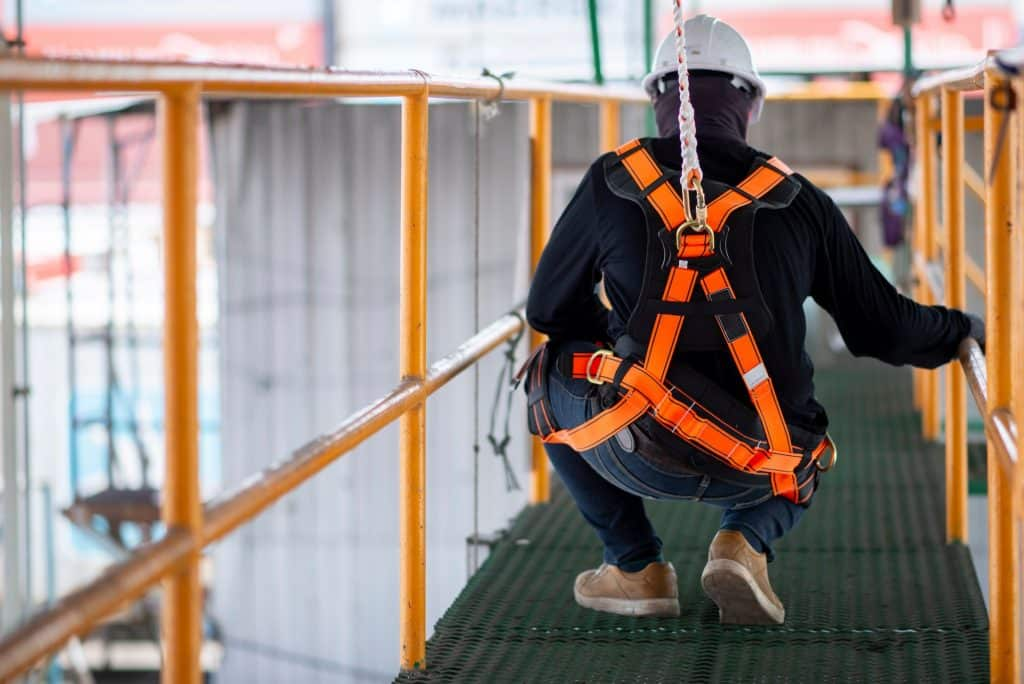
Personal fall protection equipment includes safety harnesses, lanyards, anchor points, and lifelines. Each of these components plays a critical role in preventing falls or minimizing injury if a fall occurs. However, equipment alone is not sufficient; it must be properly maintained, inspected, and used by trained personnel to be effective.
Training, Competency, and Human Factors
Human factors play a major role in working at height safety. Workers must be properly trained and competent before being allowed to perform tasks at height. Training should include hazard awareness, correct use of equipment, emergency procedures, and understanding of risk controls. Without proper training, workers may misuse equipment or ignore safety procedures, increasing the likelihood of accidents.
Fatigue, poor communication, time pressure, and lack of supervision are also major contributors to unsafe behavior. Organizations must ensure that workers are physically and mentally fit for the task and that supervision is adequate at all times. A strong safety culture encourages workers to follow procedures and report unsafe conditions without fear of punishment.
Inspection, Maintenance, and Safe Systems of Work
Regular inspection and maintenance of equipment are essential for ensuring safety in working at height. Ladders, scaffolds, harnesses, and lifting equipment must be inspected before each use and undergo periodic formal inspections by competent persons. Any defective equipment must be immediately removed from service.
A Safe System of Work (SSOW) should be established for all working at height activities. This includes clear procedures, permits to work, supervision requirements, and emergency response plans. Without a safe system, even minor errors can lead to serious accidents.
Emergency Preparedness and Rescue Procedures
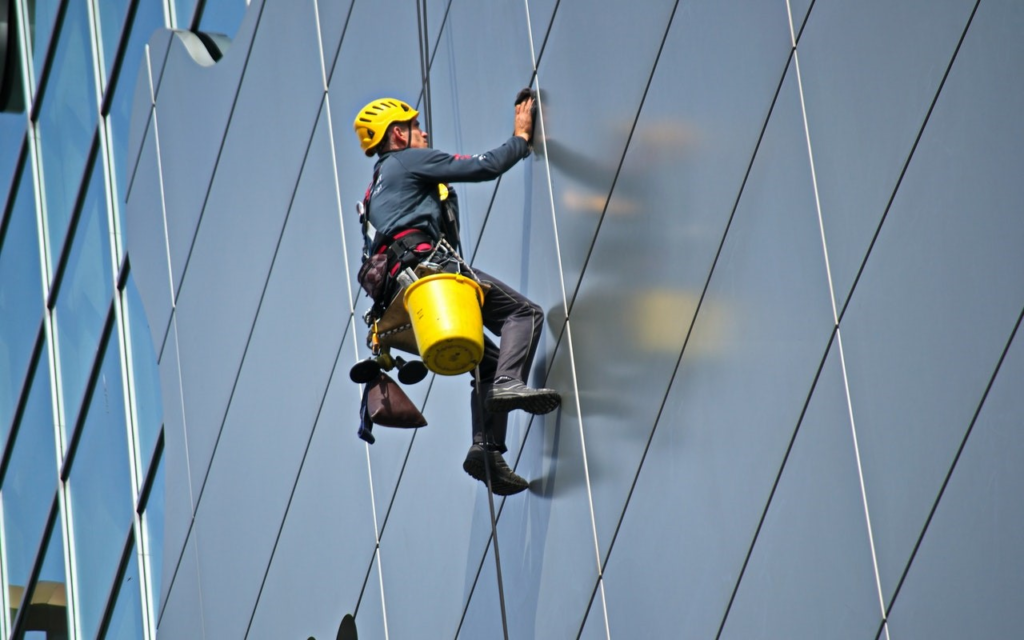
Emergency preparedness is a critical part of working at height safety. One of the most serious risks is suspension trauma, which can occur if a worker is left hanging in a harness after a fall. Therefore, rescue procedures must be planned in advance and workers must be trained on how to respond in emergencies.
Emergency plans should include communication systems, rescue equipment, first aid arrangements, and trained rescue teams. Quick response is essential to minimize injury severity and prevent fatalities. Organizations must regularly practice rescue drills to ensure preparedness.
Conclusion
Working at Height remains one of the most hazardous activities in the workplace, but with proper planning, training, supervision, and control measures, risks can be significantly reduced. A combination of elimination, engineering controls, safe systems of work, and personal protective equipment is essential to ensure safety. Strong leadership, safety culture, and continuous monitoring also play a vital role in preventing accidents. Ultimately, effective management of working at height activities not only protects workers but also improves operational efficiency and organizational safety performance.