
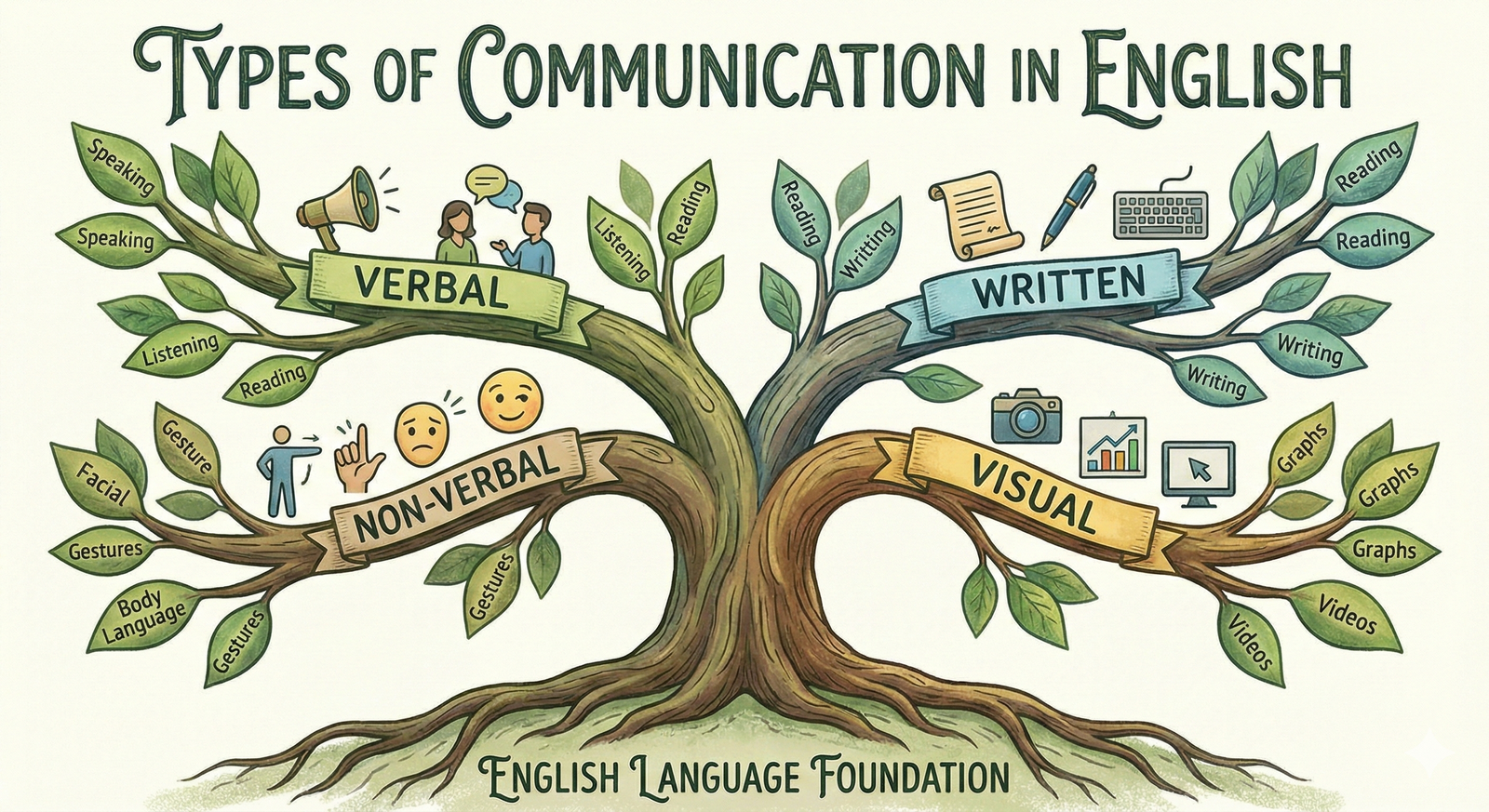
Communication is the foundation of human interaction. It enables people to share ideas, express feelings, exchange information, and work together effectively. Whether in personal relationships, education, business, or professional environments, communication plays a vital role in shaping understanding and success.
In today’s interconnected world, strong communication skills are essential for building relationships, avoiding misunderstandings, and achieving personal and professional goals.
What Is Communication?
Communication is the process of sending, receiving, and understanding messages between individuals or groups. It involves a sender, a message, a medium, and a receiver. Effective communication occurs when the receiver correctly understands the sender’s message.
Communication is not limited to speaking; it includes listening, writing, observing, and interpreting non-verbal cues.
Importance of Communication
Effective communication:
- Builds trust and strong relationships
- Improves teamwork and collaboration
- Reduces misunderstandings and conflicts
- Enhances leadership and decision-making
- Supports professional growth and career success
In workplaces, clear communication improves productivity, safety, and efficiency.
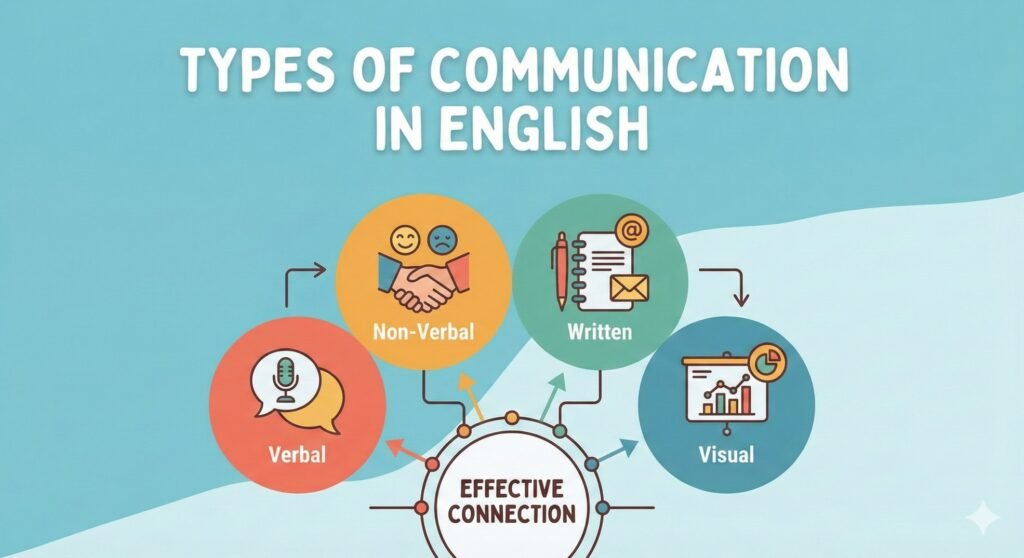
Types of Communication
Communication can be broadly classified into verbal and non-verbal communication. Both play a crucial role in how messages are conveyed and interpreted.
1. Verbal Communication
Verbal communication involves the use of words to convey messages. It can be spoken or written.
a) Oral Communication
This includes face-to-face conversations, meetings, presentations, phone calls, and video conferences.
Examples:
- Giving instructions during a meeting
- Conducting a classroom lecture
- Explaining a task to a colleague
Advantages:
- Immediate feedback
- Clear expression of ideas
- Personal and interactive
b) Written Communication
Written communication includes emails, reports, letters, notices, manuals, and messages.
Examples:
- Writing an email to a client
- Preparing a project report
- Issuing safety instructions or notices
Advantages:
- Permanent record
- Clear and structured information
- Useful for formal communication
2. Non-Verbal Communication
Non-verbal communication involves conveying messages without using words. It often supports or enhances verbal communication and can sometimes convey stronger messages than words.
a) Body Language
Body posture, gestures, facial expressions, and movements communicate emotions and attitudes.
Examples:
- Smiling to show friendliness
- Crossing arms to indicate discomfort or defensiveness
b) Eye Contact
Eye contact shows confidence, attention, and honesty.
Example:
Maintaining eye contact during a conversation indicates interest and engagement.
c) Facial Expressions
Facial expressions communicate emotions such as happiness, anger, surprise, or confusion.
d) Tone of Voice (Paralanguage)
Tone, pitch, volume, and speed of speech affect how a message is received.
Example:
A calm tone conveys confidence, while a harsh tone may cause misunderstanding.
e) Appearance and Dress
Personal appearance and professional attire communicate seriousness, professionalism, and attitude.
Verbal vs Non-Verbal Communication
Verbal communication focuses on what is said, while non-verbal communication focuses on how it is said. For communication to be effective, both must align.
Example:
Saying “I understand” while avoiding eye contact may send a mixed message.
Importance of Non-Verbal Communication in Professional Life
Non-verbal cues play a significant role in:
- Interviews and presentations
- Leadership and teamwork
- Customer interactions
- Safety instructions and training
A professional’s body language and tone often determine how messages are perceived.
Improving Communication Skills
To become an effective communicator:
- Listen actively
- Speak clearly and confidently
- Use appropriate body language
- Be aware of tone and expressions
- Adapt communication to the audience
Conclusion
Communication is a vital life skill that influences every aspect of human interaction. Understanding the types of communication—verbal and non-verbal—helps individuals convey messages more effectively and build stronger relationships.
By improving both verbal and non-verbal communication skills, individuals can enhance their confidence, professionalism, and success in personal and professional life.