
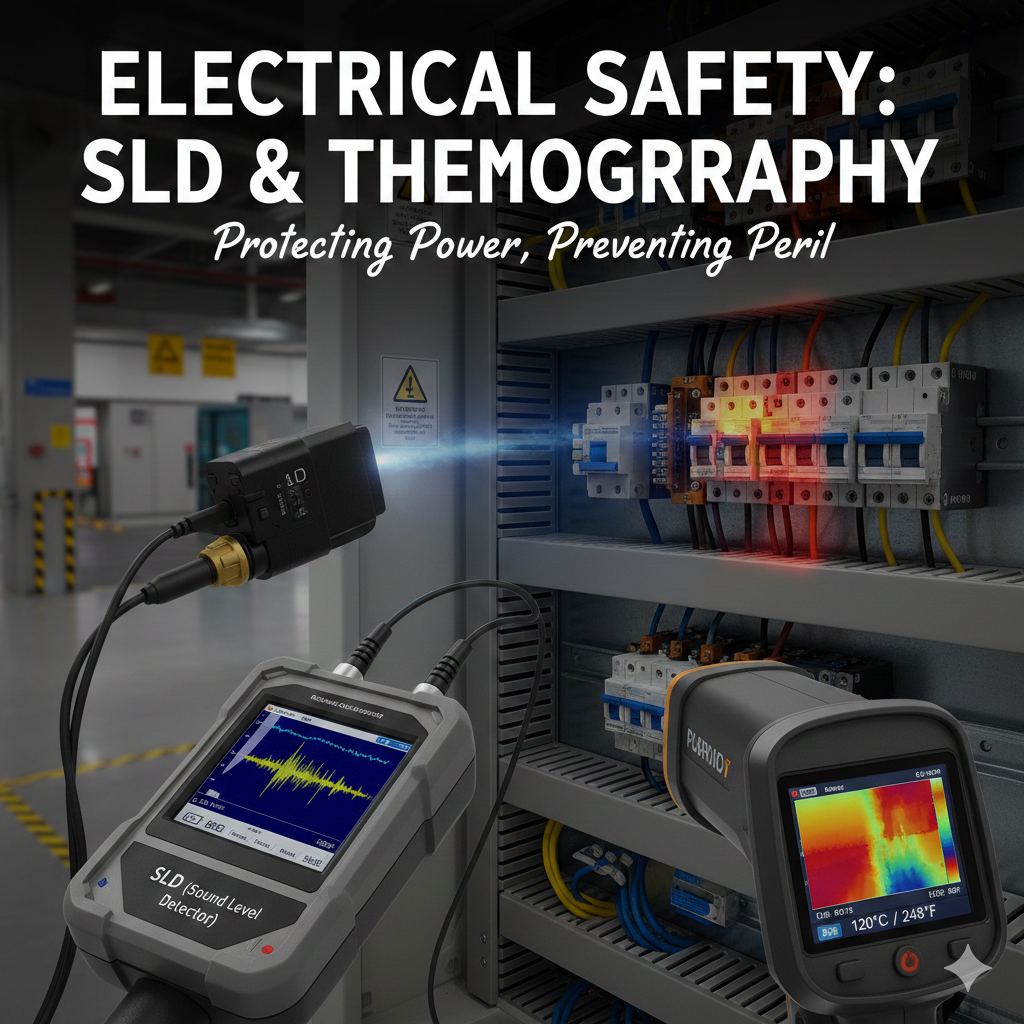
1️⃣ Role of Single Line Diagram (SLD) in Electrical Safety
System Visibility & Risk Mapping
An SLD provides a complete visual map of the electrical distribution system from source to final loads. It identifies transformers, panels, breakers, feeders, and protection devices in a structured format. This allows engineers and auditors to understand fault paths, isolation points, and system interconnections.
Foundation for Technical Studies
All major electrical safety studies depend on an accurate SLD. Short circuit analysis, protection coordination, and arc flash assessment require system configuration data. Without a correct SLD, risk calculations and PPE labeling may be inaccurate and unsafe.
Emergency & Isolation Control
During maintenance or incident response, isolation points must be clearly identified. SLD helps ensure proper Lockout/Tagout (LOTO) implementation. This directly reduces electrocution and arc flash risk.
Overload & Capacity Control
SLD displays breaker ratings, transformer capacities, and feeder sizes. It supports load balancing and prevention of overloading conditions. This reduces overheating and electrical fire probability.
2️⃣ Role of Thermography in Electrical Safety
Predictive Hazard Identification
Thermography detects abnormal heat signatures in energized systems. Electrical faults generate heat before visible failure occurs. This allows early correction before fire or breakdown.
Fire Prevention Mechanism
Loose connections and overload conditions produce high resistance heat. Infrared scanning identifies these hotspots at early stages. This significantly reduces electrical fire incidents.
Operational Reliability
Thermal scanning allows inspection without shutdown. It supports planned maintenance instead of emergency repair. This improves system reliability and business continuity.
Compliance Evidence
Documented thermography reports demonstrate proactive maintenance. They show management commitment to preventive risk control. This supports regulatory compliance during audits.
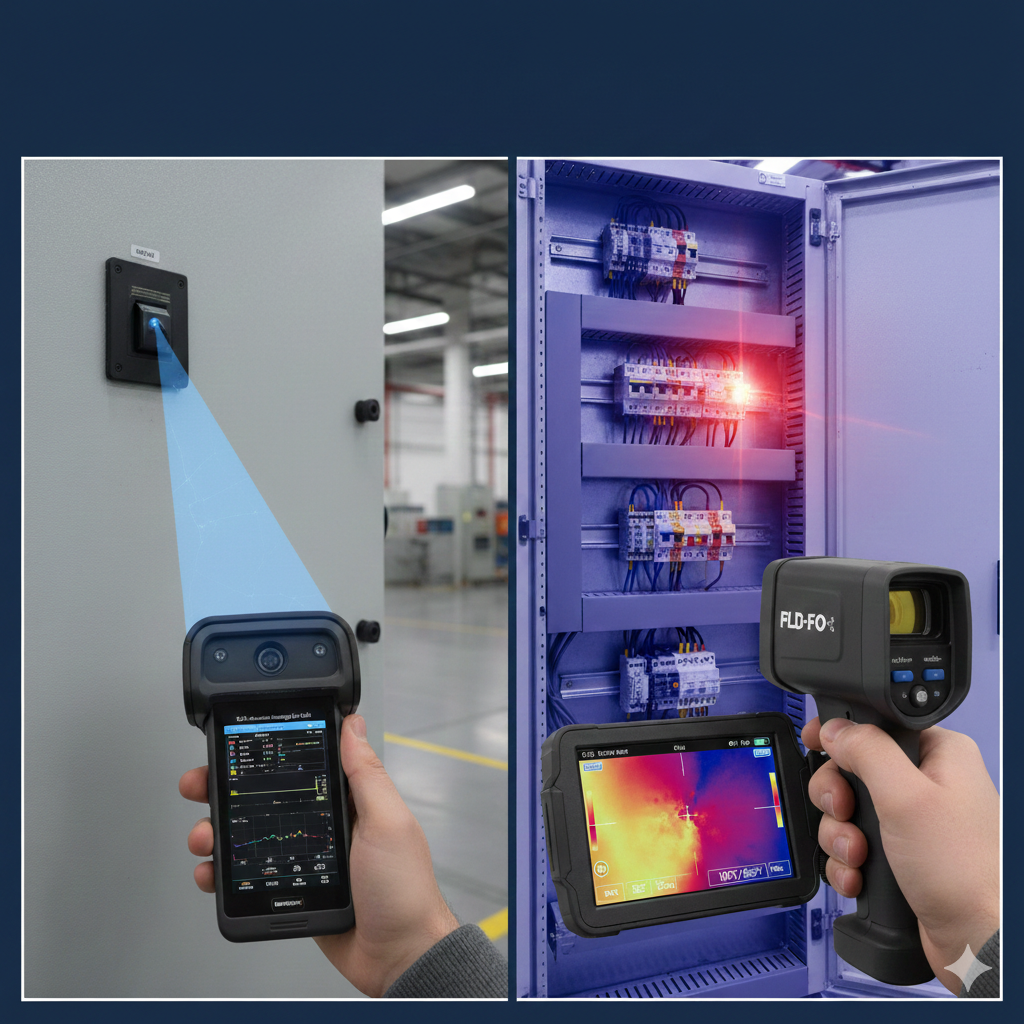
Why Auditors Inspect SLD and Thermography Reports
Auditors do not just check documents — they verify system integrity, legal compliance, and risk exposure control.
1️⃣ To Verify System Understanding
Auditors review SLD to confirm:
- The system matches actual installation.
- Protection devices are properly rated.
- Earthing and bonding systems are shown.
- Critical loads are identified.
Under regulatory frameworks such as Occupational Safety and Health Administration and Health and Safety Executive, employers must ensure systems are properly constructed and maintained. If SLD is outdated, it indicates poor engineering control.
2️⃣ To Assess Fire & Arc Flash Risk
Auditors use SLD to review short circuit levels, verify arc flash study accuracy, and confirm protection coordination. Standards from National Fire Protection Association (NFPA 70 & 70E) emphasize accurate documentation for safe electrical work planning. Thermography reports support verification that overheating risks are monitored and controlled.
3️⃣ To Evaluate Preventive Maintenance Program
Thermography records allow auditors to check frequency of inspection, identified hotspots, corrective action implementation, and follow-up verification. If hotspot findings are not closed, it indicates weak safety management.
4️⃣ To Determine Legal & Liability Exposure
In case of fire or electrical injury, investigators review: Was SLD available and accurate? Was thermal scanning conducted regularly? Were corrective actions documented? Proper documentation protects the organization from negligence claims.
How SLD and Thermography Support Electrical Safety Audit
- Structural + Operational Assurance: SLD shows how the system is designed. Thermography shows how the system is performing under load. Together they provide design verification and performance validation.
- Evidence-Based Risk Control: Auditors require objective evidence, not verbal assurance. SLD and thermal images provide measurable, technical proof. This strengthens audit credibility.
- Risk-Based Audit Approach: Auditors prioritize high-load feeders and critical panels identified in SLD. Thermography findings help focus inspection on risk-prone components. This supports a structured audit methodology.
Summary (Professional Perspective)
| Document | Safety Function | Audit Value |
| SLD | System design transparency | Confirms compliance & protection coordination |
| Thermography | Predictive failure detection | Verifies preventive maintenance effectiveness |