
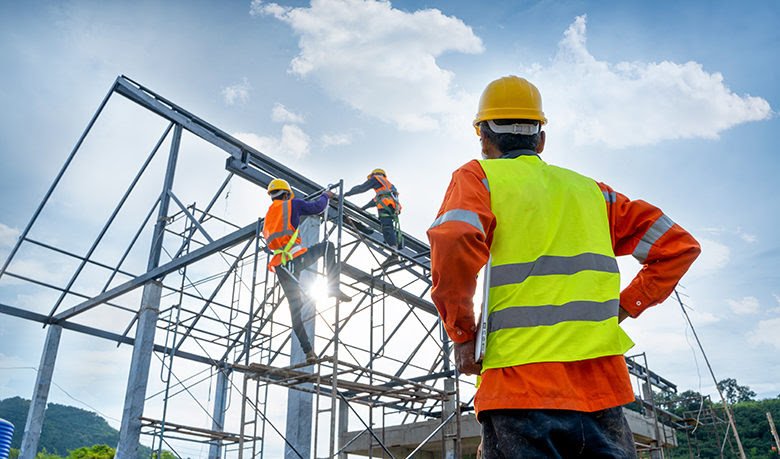
Work at height remains one of the leading causes of fatal and serious injuries worldwide. It includes any task where a person could fall from one level to another and suffer injury. Despite awareness campaigns and regulations, falls from height continue to occur daily. Most incidents happen during routine activities where risks are underestimated. Poor planning, missing controls, and unsafe behavior are the main contributors.
Why work at height is critical:
- Falls are a leading cause of workplace deaths
- Routine tasks create overconfidence
- One mistake can be fatal
- Most incidents are preventable
What Is Work at Height?
Work at height refers to any activity where a person works at a level that could result in injury if they fall. This includes working above ground level as well as working near openings, edges, or fragile surfaces. Many workers assume height means working on tall buildings only, which is incorrect. Even a fall from a short height can cause serious injury or death. According to Occupational Safety and Health Administration (OSHA), falls can occur from ladders, scaffolds, roofs, and elevated platforms.

Work at Height Safety
Work at height includes:
- Working on ladders or scaffolds
- Roof work and edge work
- Working near openings or fragile surfaces
- Accessing elevated platforms or structures
Why Work at Height Is So Dangerous
Work at height is dangerous because gravity allows no second chance. A slip, trip, or loss of balance can instantly result in a fall. Weather conditions such as wind and rain increase the risk further. Poor access equipment and improper anchorage are also common factors. In many cases, workers fall without warning and suffer fatal head or spinal injuries.
Key risk factors include:
- Loss of balance or footing
- Unstable or damaged access equipment
- Weather conditions
- Lack of fall protection
- Poor supervision

Where Work at Height Is Found (Industries)
Work at height is present across nearly all industries. Construction sites involve scaffolds, formwork, and roof activities. Manufacturing plants include elevated machinery and maintenance platforms. Power plants, telecom towers, and warehouses also require work at height. Because these tasks are frequent, they are often treated as normal work rather than high-risk activities.
Industries with work-at-height exposure:
- Construction: scaffolds, formwork, roofs
- Manufacturing: elevated machinery, platforms
- Oil & Gas: tanks, towers, flare stacks
- Utilities: power lines, poles, substations
- Warehousing: racking systems, mezzanines
Role of the Safety Officer in Work at Height
The safety officer plays a vital role in controlling fall hazards. Their responsibility begins at the planning stage by ensuring work at height is avoided where possible. When it cannot be avoided, they ensure proper access systems and fall protection are selected. During execution, they monitor compliance and stop unsafe work. Their authority often prevents shortcuts that lead to fatal falls.
Safety officer responsibilities include:
- Identifying work-at-height activities
- Conducting risk assessments
- Approving access methods
- Ensuring fall protection systems
- Monitoring work and enforcing controls
Hierarchy of Control for Work at Height
Work at height safety follows a strict hierarchy of control. The best protection is to avoid working at height altogether. If avoidance is not possible, safer access methods and fall prevention systems must be used. Personal protective equipment is the last line of defense. Relying only on PPE without higher-level controls is unsafe.
Hierarchy of controls:
- Avoid work at height where possible
- Use collective protection (guardrails, platforms)
- Use personal fall protection (harness, lanyard)
- Provide training and supervision
- Plan emergency rescue
Required Documentation Before Work at Height
Documentation ensures that hazards are identified and controls are verified before work begins. Many fatal fall incidents occurred because no formal assessment was conducted. Permits and checklists help ensure that access equipment, anchorage, and rescue plans are in place. Documentation also provides legal protection for both workers and employers.
Mandatory documents include:
- Work at Height Permit
- Risk Assessment / JSA
- Scaffold or ladder inspection records
- Fall protection equipment inspection
- Rescue and emergency plan
- Training and competency records
- Toolbox talk record
Common Hazards in Work at Height
Hazards associated with work at height are often obvious but still ignored. Unprotected edges, fragile roofs, and unstable ladders are common causes of falls. Falling objects also pose serious risks to people working below. Poor housekeeping and inadequate lighting further increase danger.
Major work-at-height hazards:
- Unprotected edges and openings
- Fragile roofs or surfaces
- Improper ladder use
- Falling tools and materials
- Weather-related risks
Incident History and Losses
Falls from height account for a significant percentage of workplace fatalities globally. Many incidents involve workers who were not using fall protection or were using it incorrectly. In several cases, equipment was available but not worn due to discomfort or time pressure. These incidents often result in permanent disability or death, affecting families and organizations alike.
Common incident patterns:
- No fall protection used
- Improper anchorage
- Damaged ladders or scaffolds
- Lack of supervision
- Rushed work
Key Lessons from Work at Height Accidents
Investigations consistently show that most falls were preventable. Controls were either missing or ignored. Training was inadequate or not refreshed. Management pressure often encouraged unsafe behavior. These lessons highlight the importance of planning and discipline.
Critical lessons learned:
- Never rely on balance alone
- Always use proper access equipment
- Inspect before use
- Never work at height without protection
- Supervision saves lives
Conclusion
Work at height is one of the most dangerous activities in any workplace. A single fall can change or end a life instantly. Proper planning, strong supervision, effective fall protection, and disciplined behavior are essential. Work at height safety is not about slowing work, it is about ensuring everyone returns home safely.