
Role of SLD and Thermography in Electrical Safety
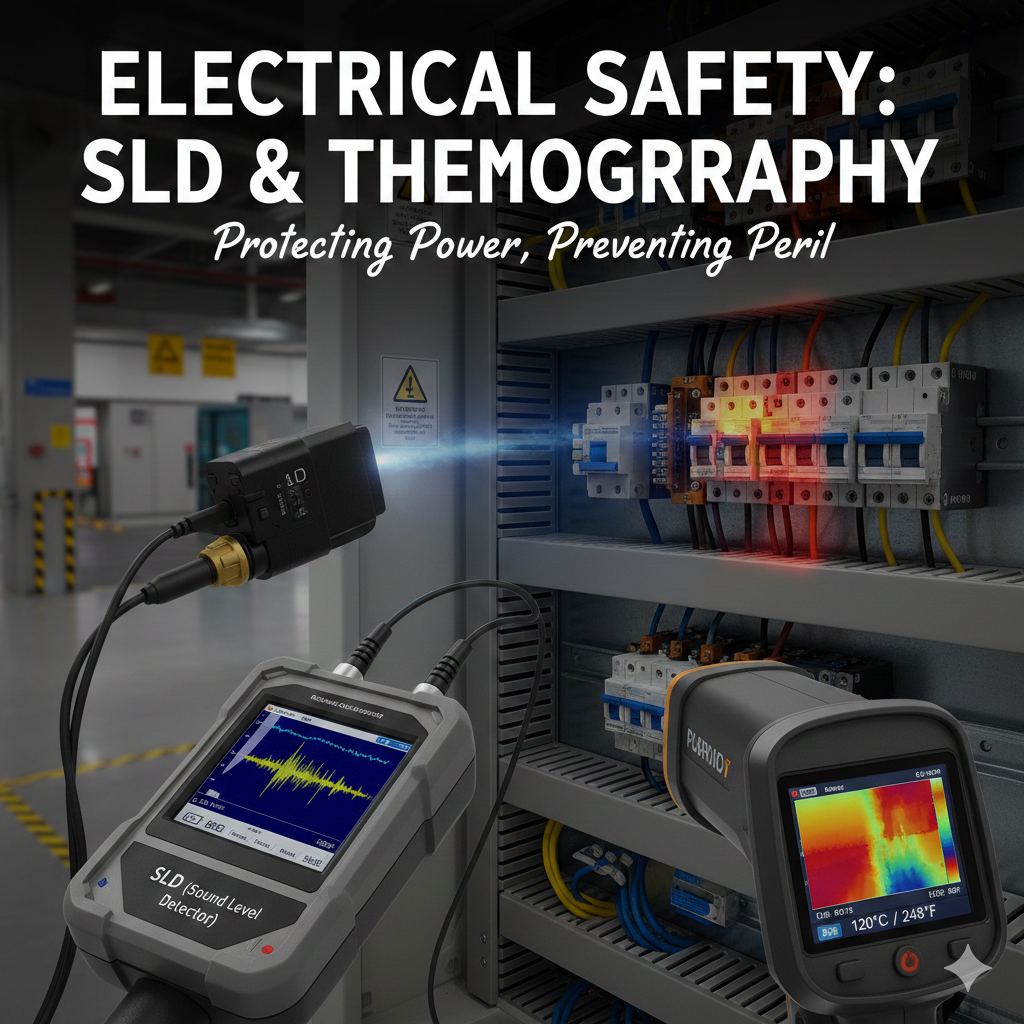
1️⃣ Role of Single Line Diagram (SLD) in Electrical Safety System Visibility & Risk Mapping An SLD provides a complete visual map of the electrical distribution system from source to final loads. It identifies transformers, panels, breakers, feeders, and protection devices in a structured format. This allows engineers and auditors to understand fault paths, isolation […]
Why Six-Side (360°) Observation Is Critical in Safety
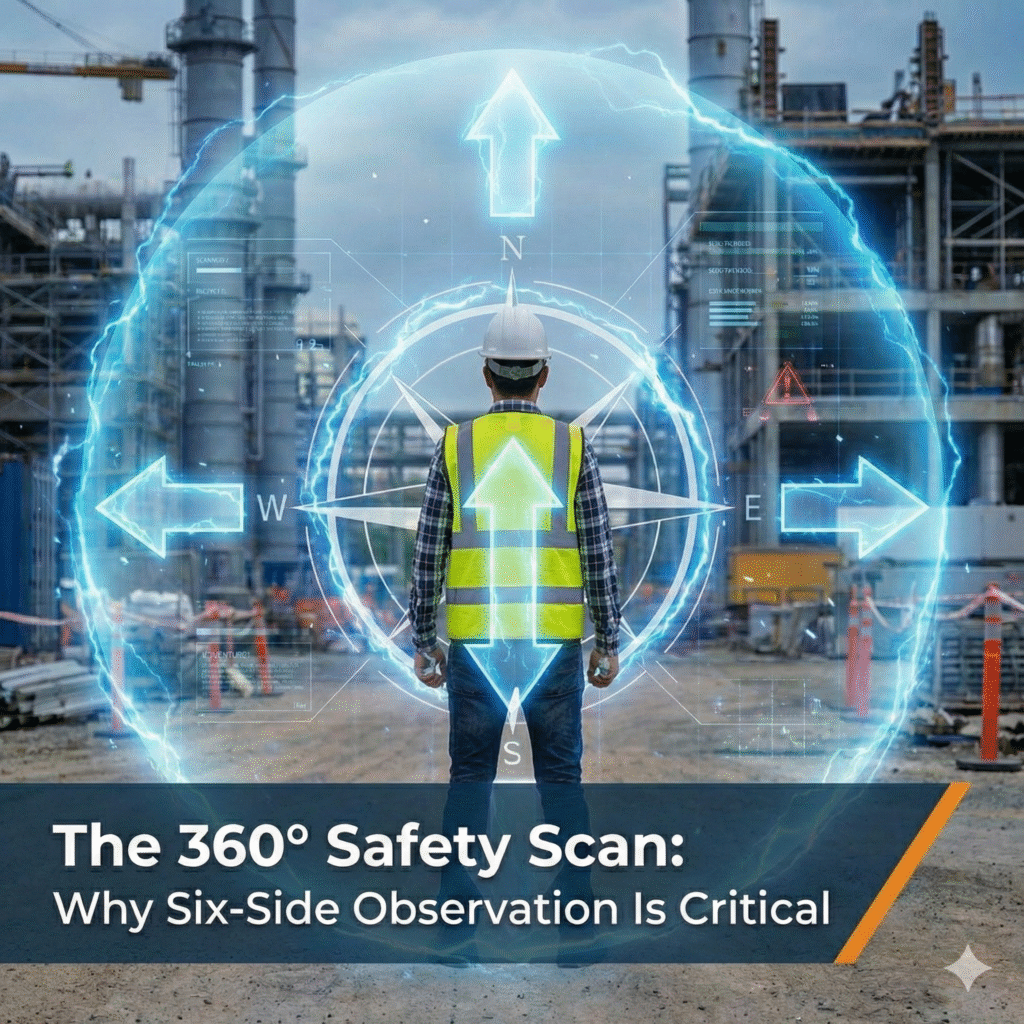
Many incidents happen because a worker or inspector focuses only on what is in front. Experienced HSE professionals are trained to scan all directions before declaring an area safe. 1️⃣ Front – Immediate Task Hazard This includes: Moving machinery Rotating parts Hot surfaces Chemical handling Vehicle movement Most people focus only here — which is […]
Why Leaders and Experienced Professionals Rely on Common Sense for Hazard Identification
In workplace audits and inspections, experienced leaders often refer to something simple yet powerful — common sense.But common sense in safety is not casual thinking. It is developed situational awareness built through experience, observation, and risk perception.Senior professionals use their five senses effectively because they have trained their minds to recognize patterns, deviations, and unsafe […]
Workplace Lighting Standards: Ensuring Safety and Productivity
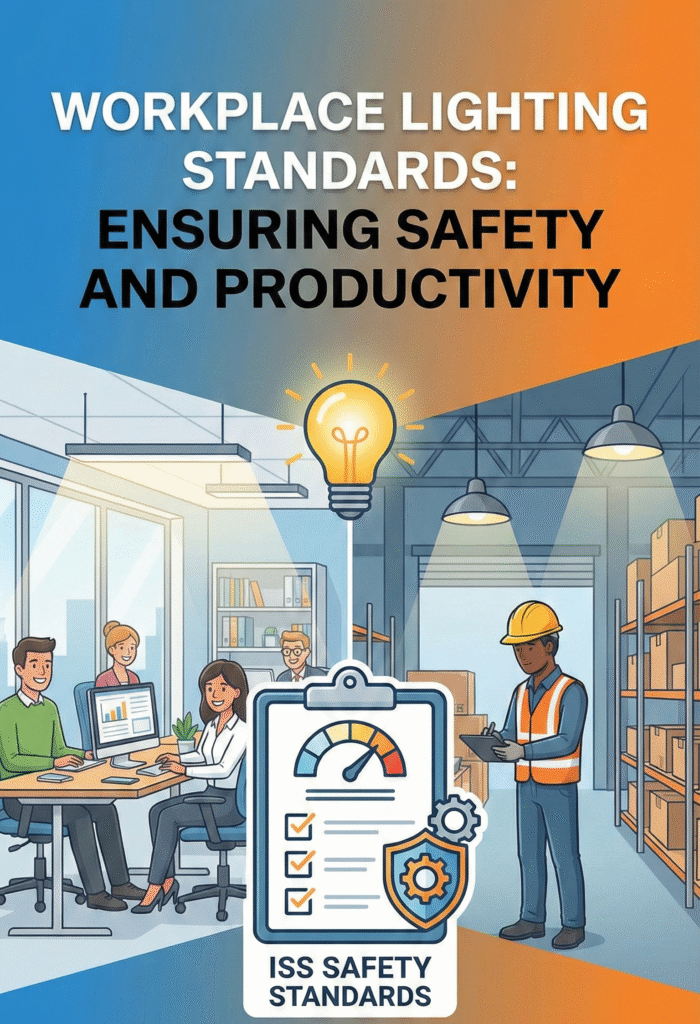
Proper lighting is a crucial yet often overlooked aspect of workplace health, safety, and productivity. Poor lighting can lead to accidents, visual fatigue, decreased efficiency, and long-term eye strain. NEBOSH IDIP Level 6 emphasizes lighting as part of the broader work environment management for occupational safety. Here’s what you need to know. 1️⃣ Importance of […]
Concrete Transit Mixer (CTM): Types, Working, Hazards, and Construction Safety Guide
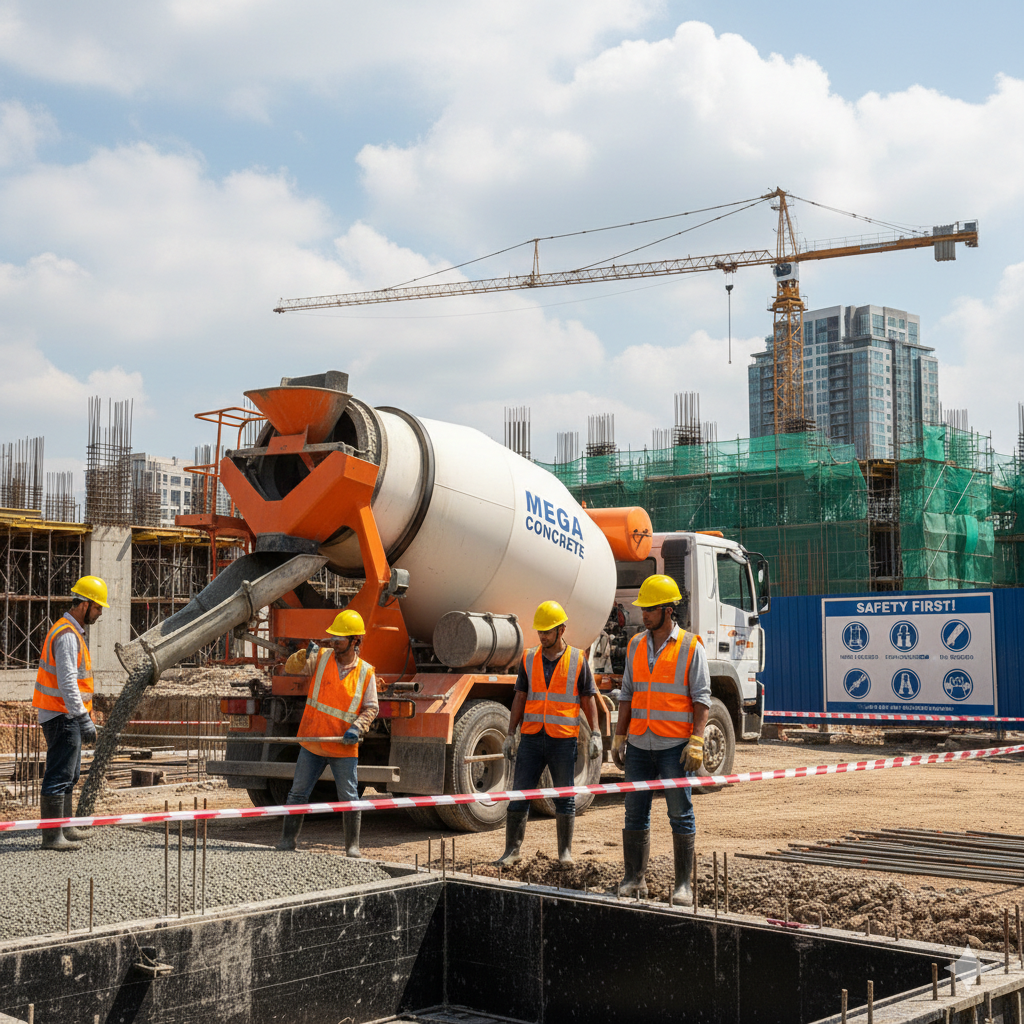
A Concrete Transit Mixer (CTM) is a specialized mobile vehicle designed to mix and transport ready-mix concrete from a batching plant to a construction site. The rotating drum ensures the concrete remains uniform, workable, and free from segregation or premature setting during transportation. CTMs play a critical role in maintaining construction quality, productivity, and schedule […]
Zero-Hour Contracts Under Scrutiny: Global Restrictions, Worker Risks, and the Case for a Ban
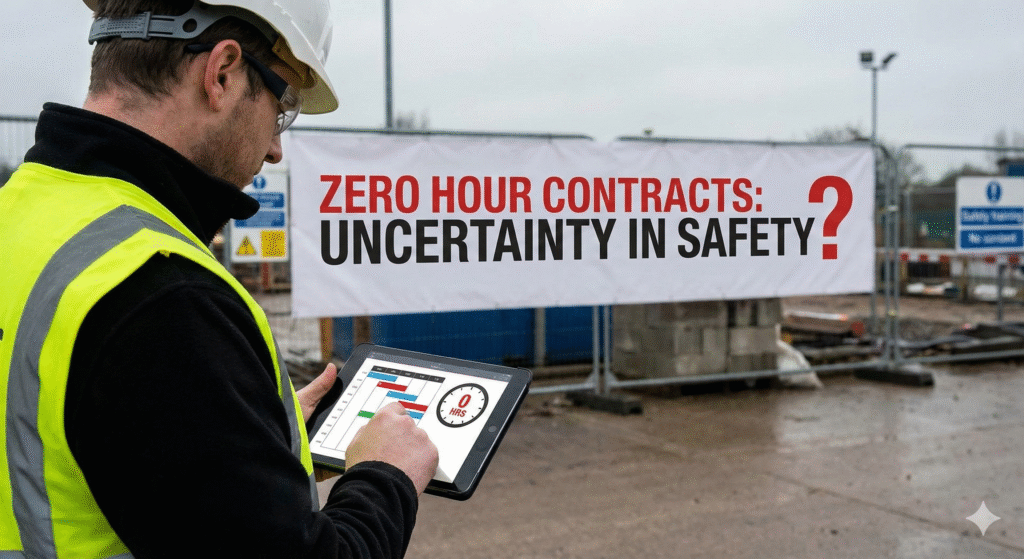
Modern labor markets increasingly prioritize flexibility, efficiency, and cost optimization. While these objectives may benefit organizations, they often come at the expense of worker security and dignity. One of the most controversial employment arrangements reflecting this imbalance is the zero-hour contract. This employment model has raised serious ethical, legal, and socioeconomic concerns across the globe. […]
Emergency Response Team Explained: How ERTs Save Lives, Reduce Losses, and Support ISO Compliance

What Is an Emergency Response Team (ERT)? An Emergency Response Team (ERT) is a group of trained employees assigned specific roles to manage workplace emergencies until the situation is controlled or external emergency services arrive. The ERT operates under a defined Emergency Response Plan (ERP) and follows recognized safety and legal standards. Its primary objective […]
Subject–Verb Agreement in English: Rules, Examples, and Common Mistakes
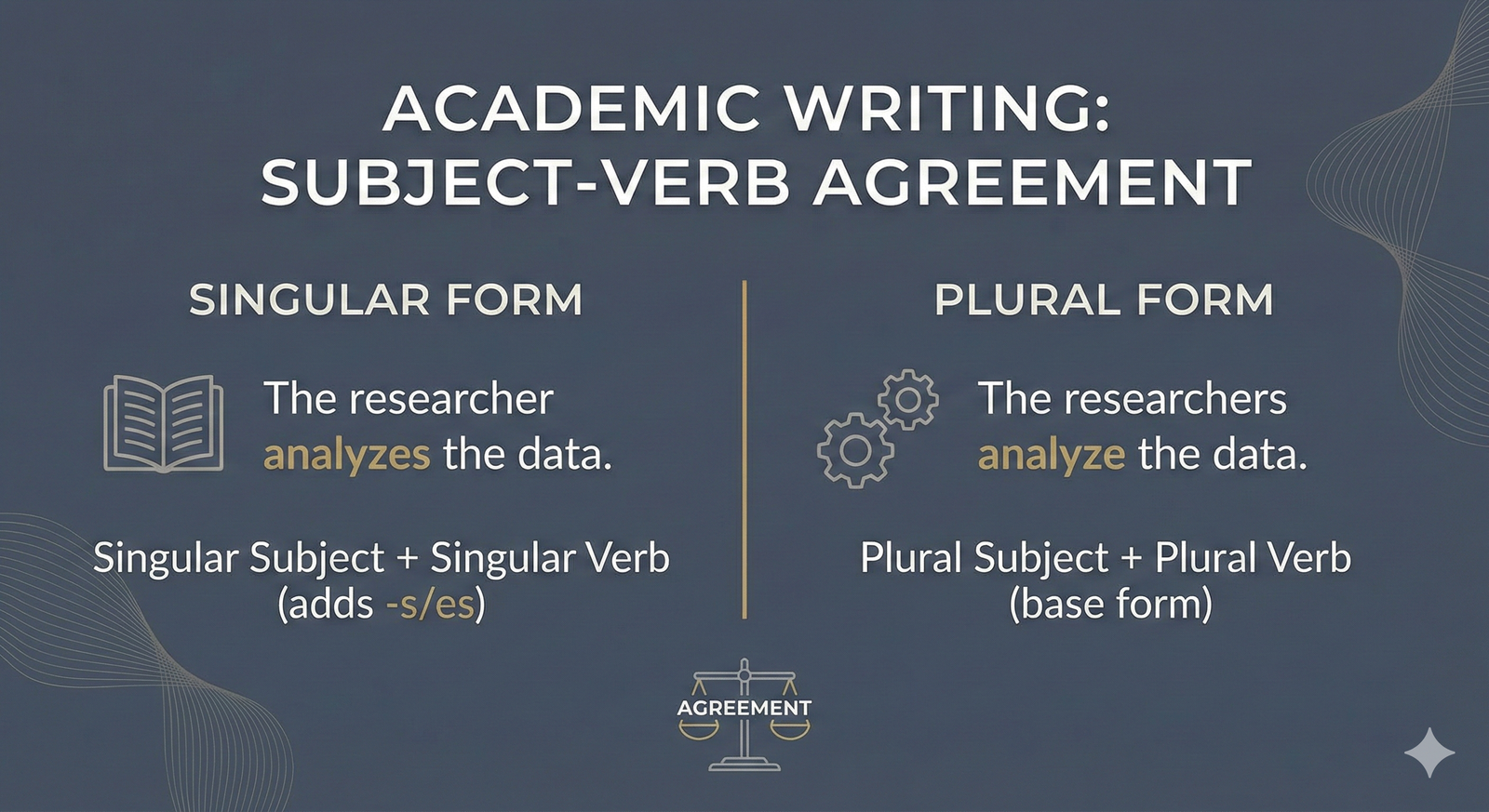
Subject–verb agreement is one of the most important grammar rules in the English language. It ensures that a sentence is grammatically correct, clear, and easy to understand. Whether in speaking or writing, correct subject–verb agreement improves fluency, accuracy, and professionalism. In simple terms, subject–verb agreement means that the verb must agree with the subject in […]
Swiss Cheese Model in Safety Management: Invention, Purpose, and Role in Audit Gap Analysis
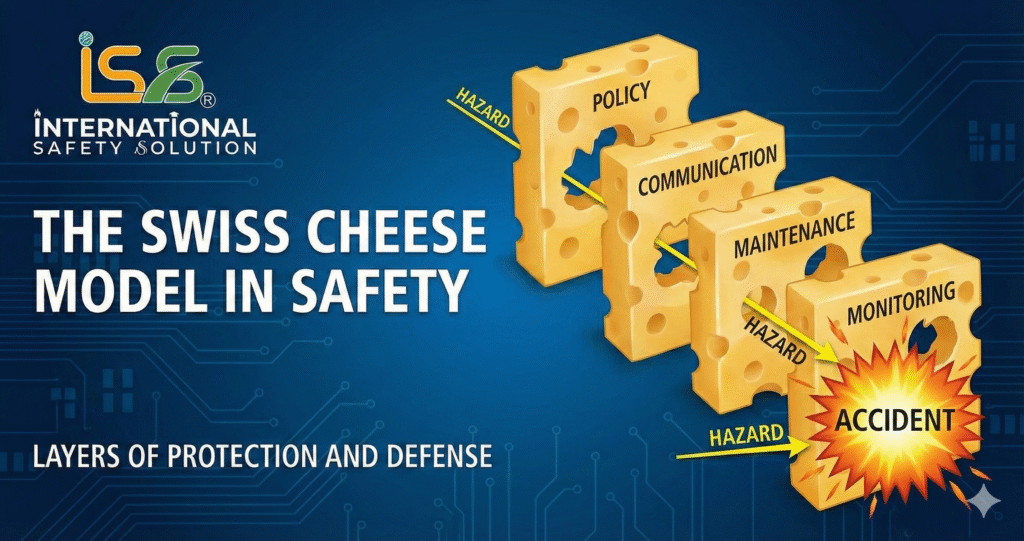
In high-risk industries such as oil and gas, construction, aviation, healthcare, and manufacturing, accidents rarely occur due to a single mistake. Most major incidents are the result of multiple system failures occurring simultaneously. The Swiss Cheese Model is one of the most widely accepted safety management models used globally to explain this reality and support […]
Safety Triangle (Heinrich’s Theory): How Unsafe Acts Lead to Serious Workplace Accidents
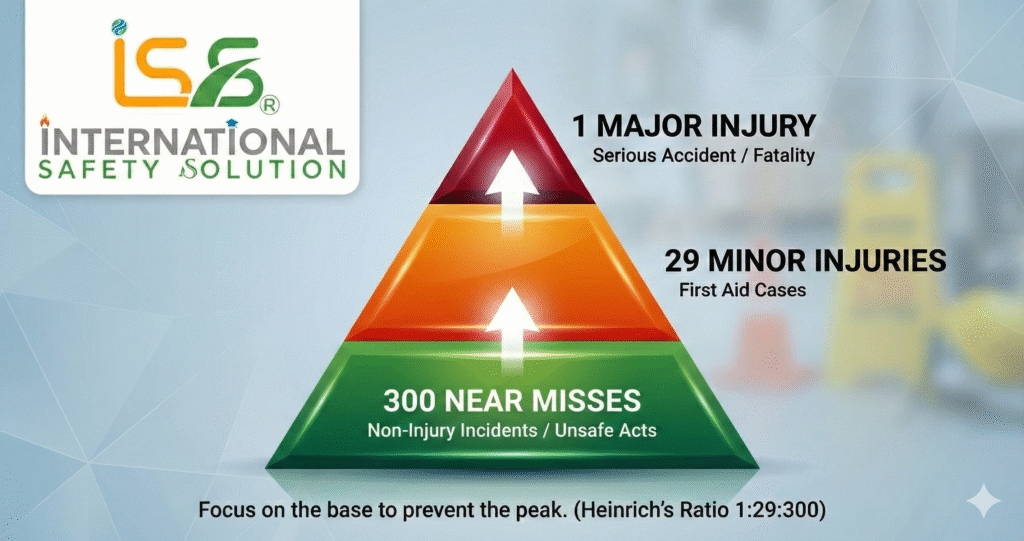
The Safety Triangle, also known as the Safety Pyramid, remains one of the most influential theories in occupational health and safety. Developed by American industrial safety pioneer Herbert William Heinrich, the model explains how serious workplace accidents are rarely sudden events. Instead, they are the final outcome of repeated unsafe acts, unsafe conditions, and ignored […]