
Florence Nightingale: Achievements, Sacrifice, and Leadership Lessons That Shaped Modern Nursing

Florence Nightingale, widely regarded as the founder of modern nursing, remains one of the most influential figures in global healthcare history. Born in 1820, at a time when women were discouraged from professional careers, Nightingale challenged social norms and devoted her life to public service, healthcare reform, and leadership grounded in discipline and evidence. Her […]
Protection Used in Excavation: Hazards, Standards, and Best Safety Practices
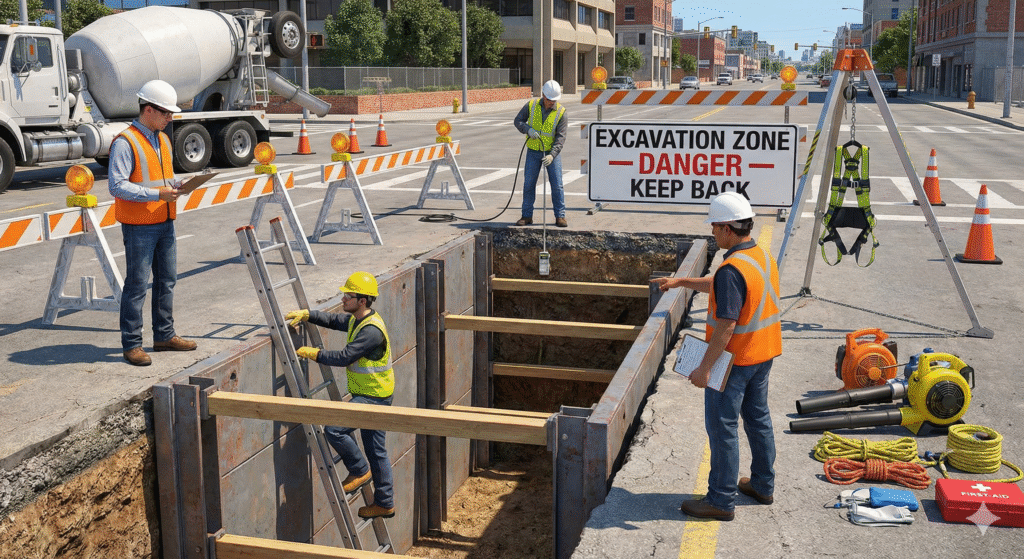
Excavation work is one of the highest-risk construction activities due to the potential for ground collapse, falls, engulfment, and striking utilities. Protective systems in excavation are engineering and administrative controls designed to prevent injury, fatalities, and property damage. International standards require that excavations deeper than specific limits must be protected using approved methods based on […]
The Gul Plaza Tragedy: Karachi Fire Exposes Deadly Gaps in Building Safety and Fire Prevention
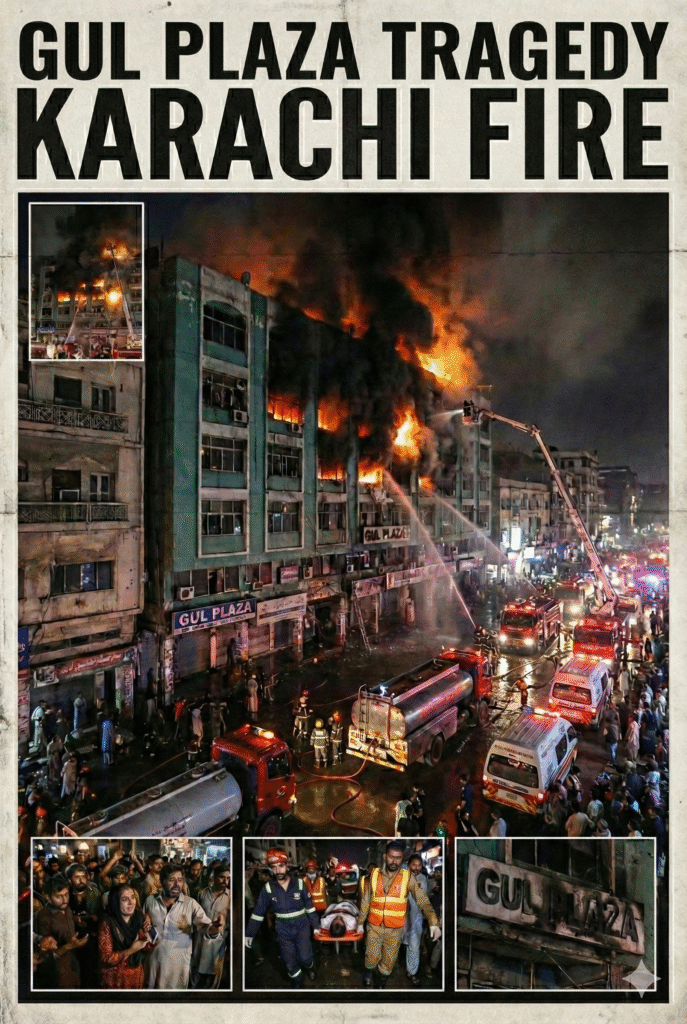
Karachi’s Gul Plaza Inferno: Human Loss, Economic Ruin, and a Wake-Up Call on Safety The Gul Plaza Tragedy: A Nation in Sorrow On the night of 17–18 January 2026, a catastrophic fire erupted at Gul Plaza, a bustling multi-story shopping centre on M.A. Jinnah Road in Karachi, Pakistan’s largest city and economic heart. What began […]
Maintenance of Machines and Workplace
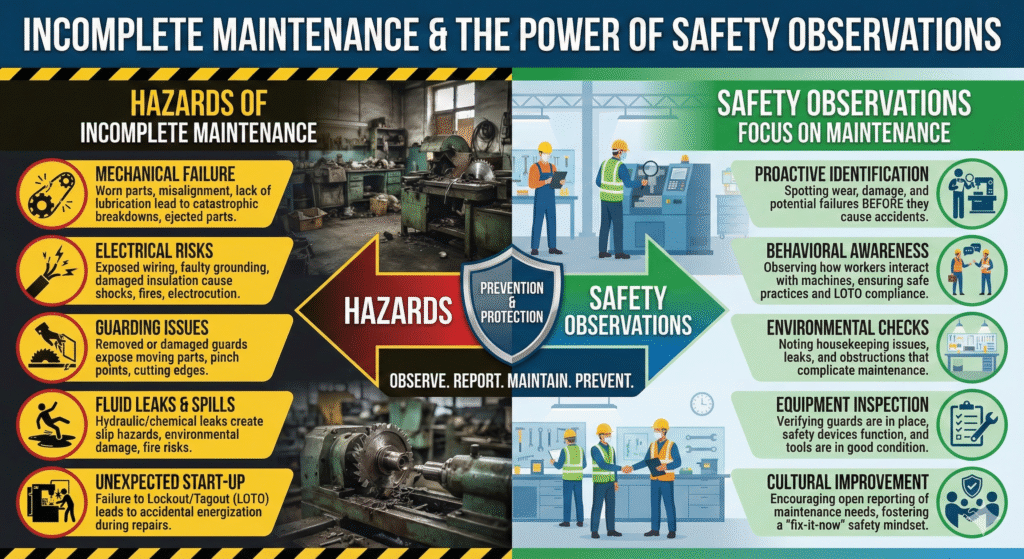
How Incomplete Maintenance Creates Hazards and Why Safety Observations Focus on Maintenance Maintenance is meant to remove danger, but in many workplaces, hazards are created because maintenance is incomplete, rushed, or poorly controlled. This is the primary reason why safety departments raise a large number of safety observations against maintenance-related activities. This issue is not […]
HSE Safety Culture Maturity Model: Levels, Meaning, and Industry Implementation
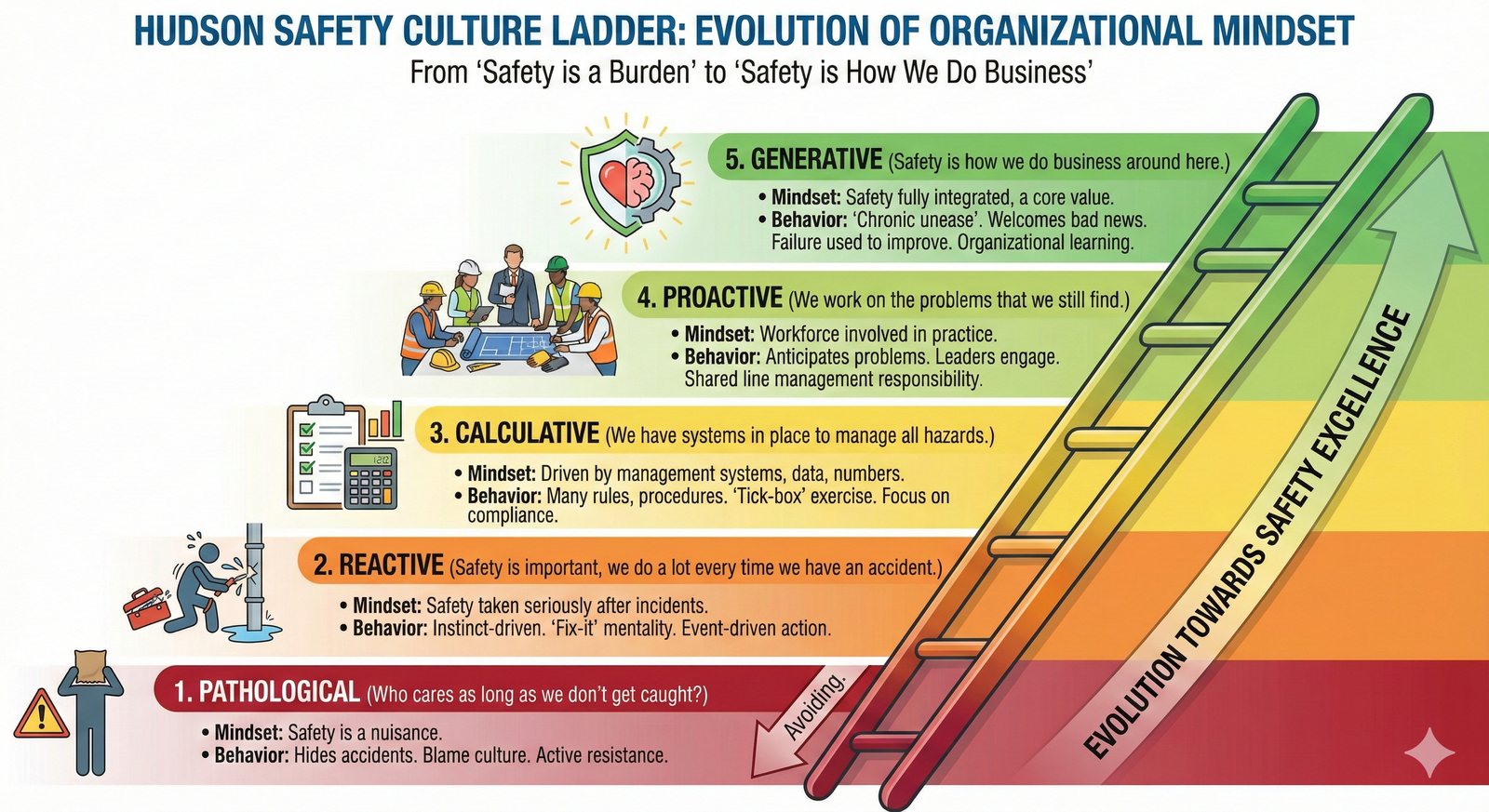
Introduction Safety Culture Maturity describes how deeply health, safety, and environmental (HSE) values are embedded into an organization’s daily operations, leadership decisions, and workforce behavior. HSE Safety Culture Maturity Models provide a structured roadmap that helps organizations move from basic legal compliance to a proactive and continuously improving safety culture. These models are widely used […]
Communication: Meaning, Importance, and Types of Communication
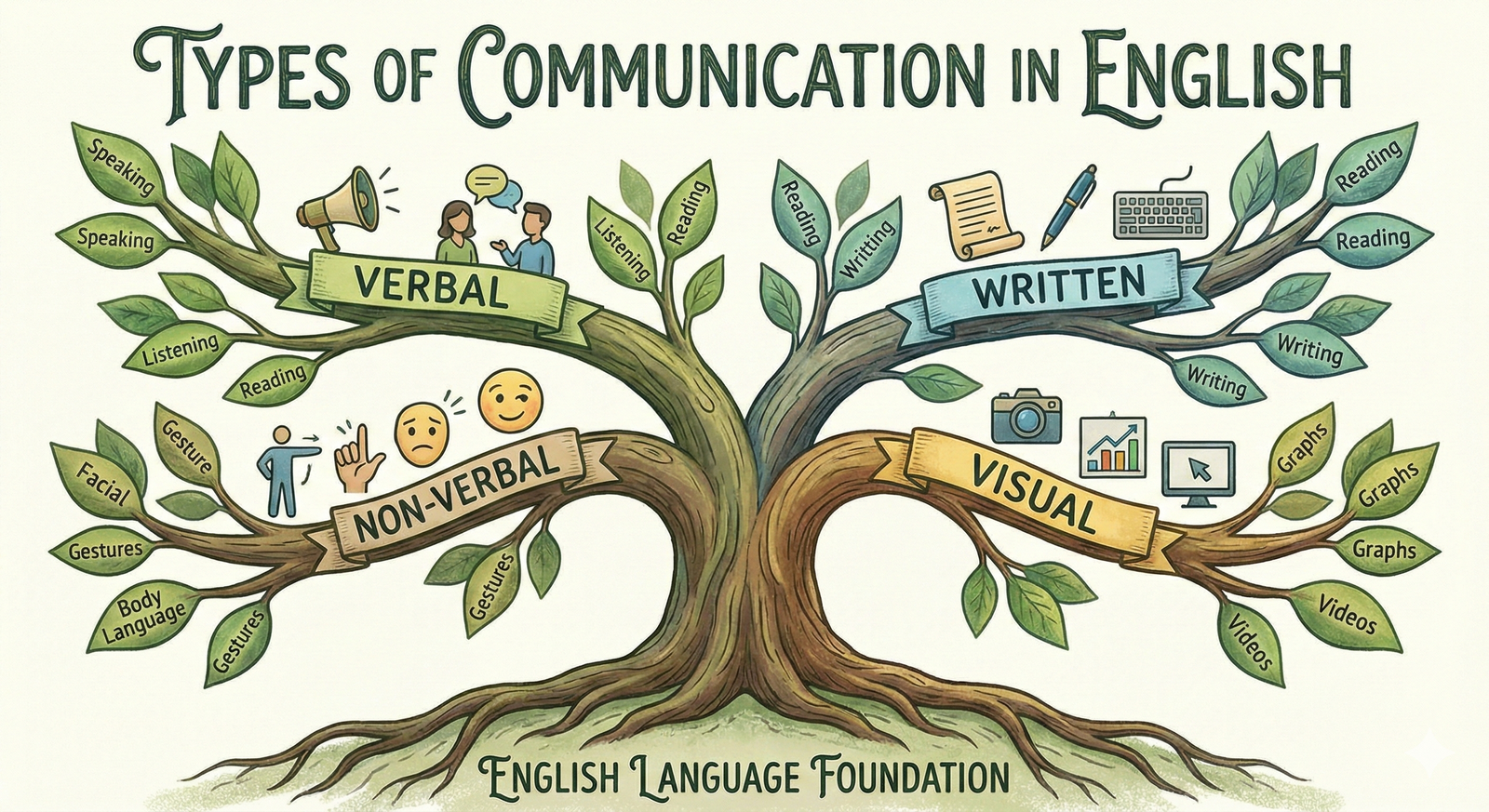
Communication is the foundation of human interaction. It enables people to share ideas, express feelings, exchange information, and work together effectively. Whether in personal relationships, education, business, or professional environments, communication plays a vital role in shaping understanding and success. In today’s interconnected world, strong communication skills are essential for building relationships, avoiding misunderstandings, and […]
Flash Point Explained: Meaning, Examples, and Why It Matters in Fire Safety
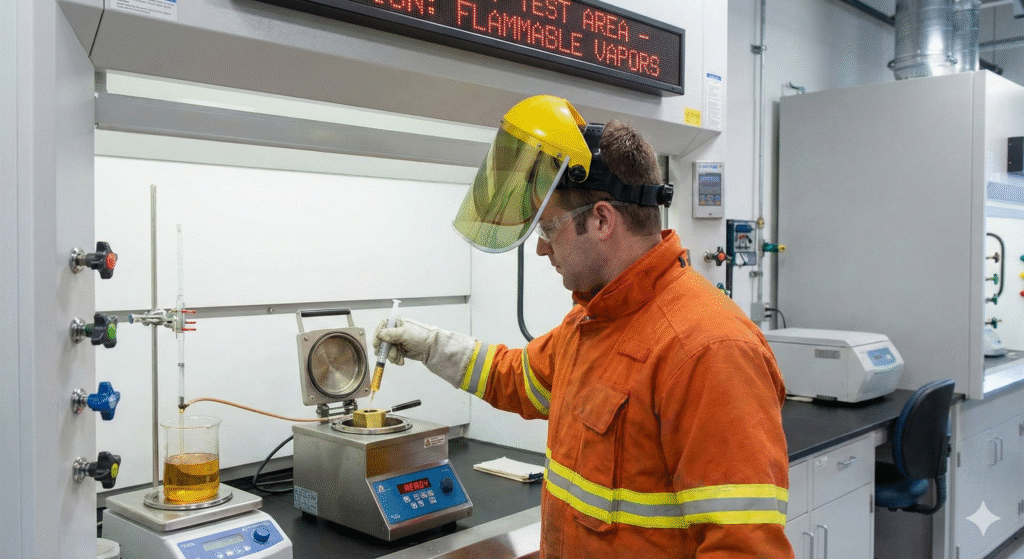
What Is Flash Point? Flash point is the lowest temperature at which a liquid produces enough vapor to ignite briefly when an external flame or spark is applied. In simple terms, it is the temperature at which a liquid becomes “fire-ready” for a moment. At the flash point: This is why flash point is different […]
PEEPs Explained: How Personal Emergency Evacuation Plans Work in the Workplace

PEEPs, or Personal Emergency Evacuation Plans, are individualized plans designed to help people safely evacuate a building during emergencies such as fires, gas leaks, power failures, or other incidents requiring immediate evacuation. In modern workplaces, PEEPs ensure that everyone—regardless of mobility limitations, temporary injuries, disabilities, or health conditions—can evacuate safely and efficiently. They are a […]
Dust Pentagon Explained: Causes, Hazards, and Prevention of Combustible Dust Explosions
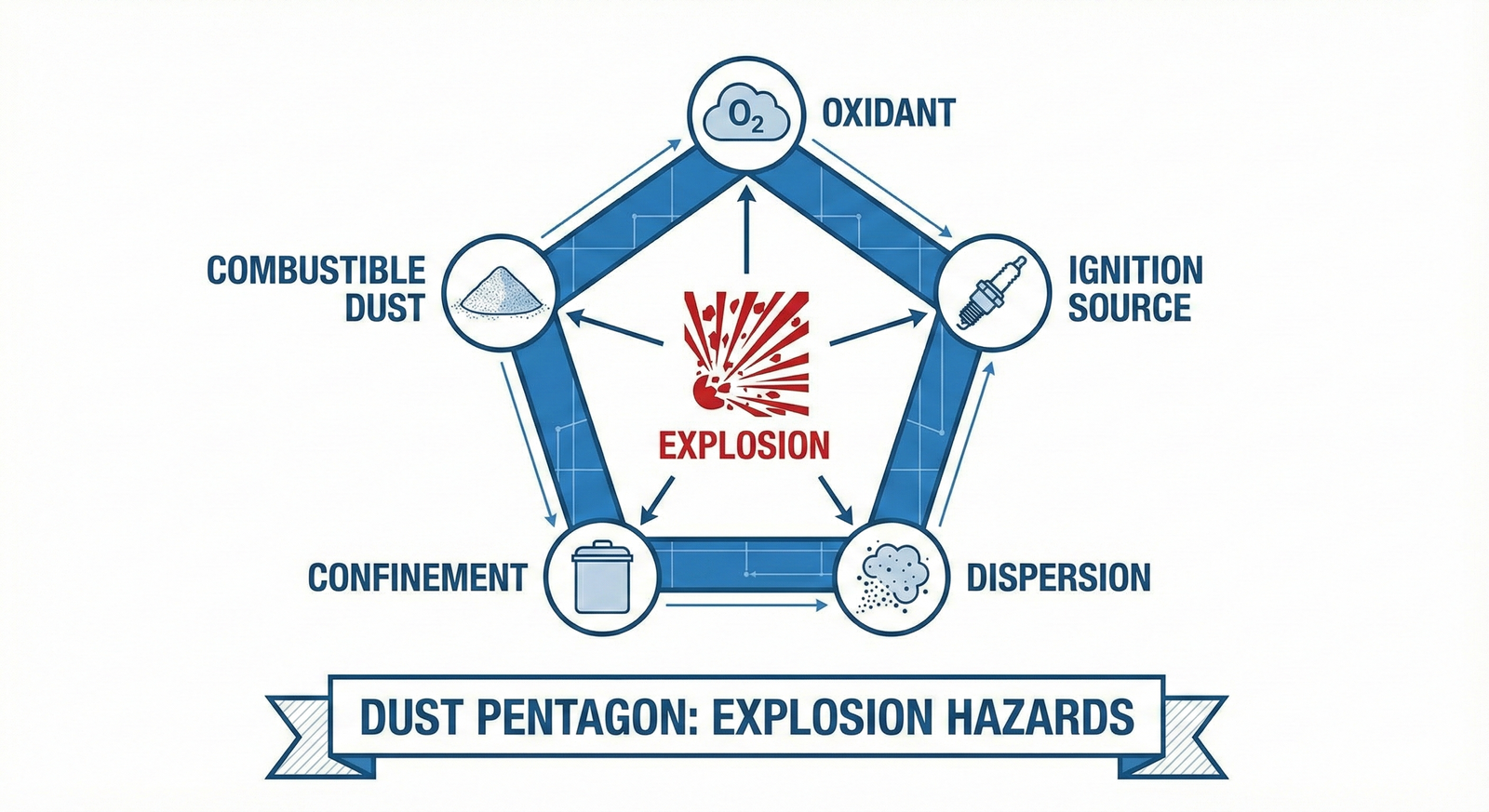
The Dust Pentagon is a recognized safety model used in process safety and fire protection engineering to explain the conditions required for a combustible dust explosion. It expands upon the traditional fire triangle by identifying two additional elements—dispersion and confinement—which are critical in transforming a dust fire into a violent explosion. This model is widely […]
Safe Storage of LPG Cylinders: Hazards, Major Incidents, and Fire Prevention Measures
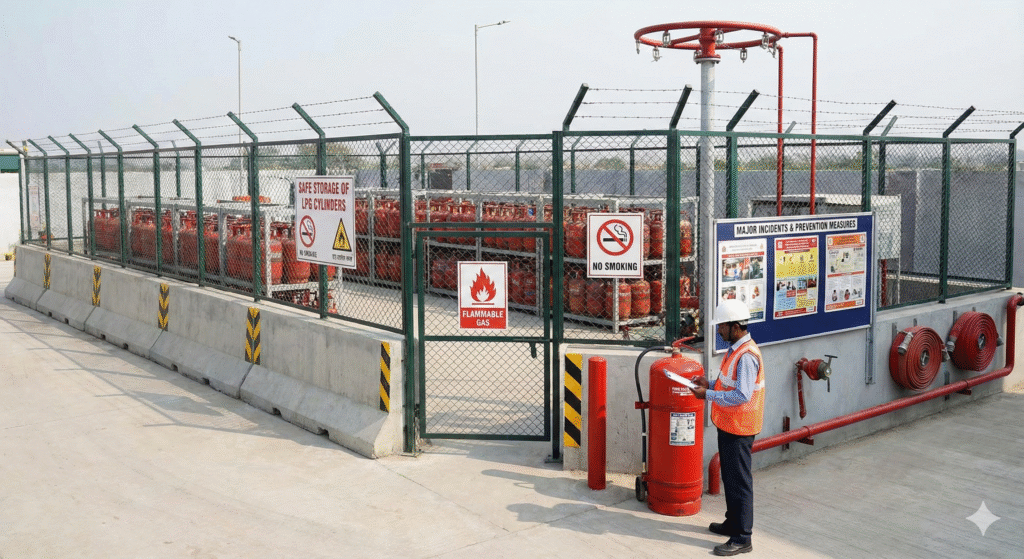
Introduction Liquefied Petroleum Gas (LPG) is widely used in domestic, commercial, and industrial applications due to its efficiency and portability. However, LPG is highly flammable, and when stored or handled incorrectly, it can lead to serious fires, explosions, fatalities, and major property losses. Many past accidents clearly show that poor storage practices are one of […]