
Emergency Lighting System in the Workplace: Importance, Standards & Safety Compliance Guide
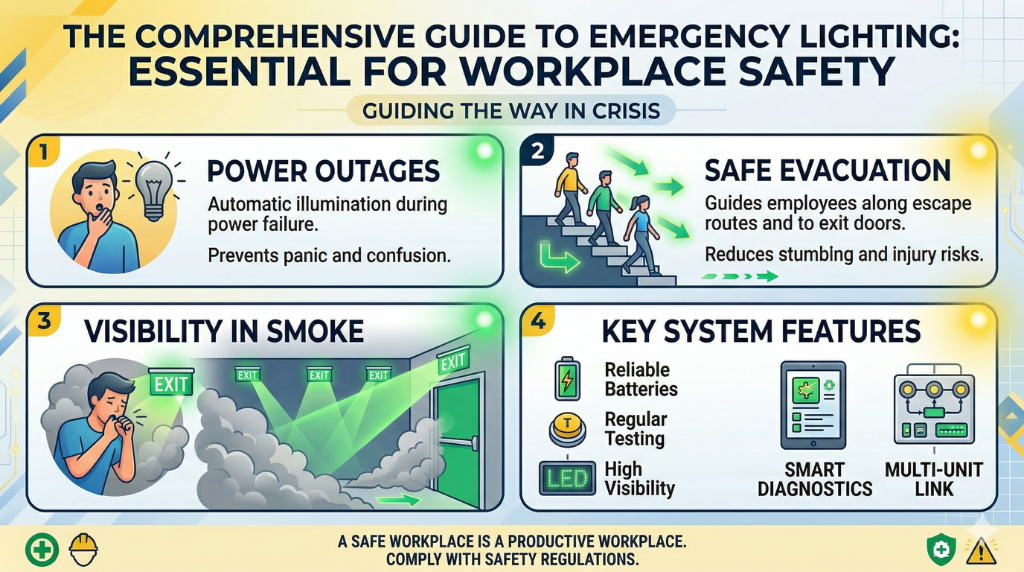
An emergency lighting system is a critical life safety component in any workplace. It ensures visibility during power failures, fires, or any emergency where normal lighting fails. Without proper illumination, evacuation becomes disorganized, increasing the risk of injuries and fatalities. What is an Emergency Lighting System? Emergency lighting is a backup lighting arrangement that automatically […]
Excavation Safety Guide: Sloping, Benching, Shoring, and Shielding Explained
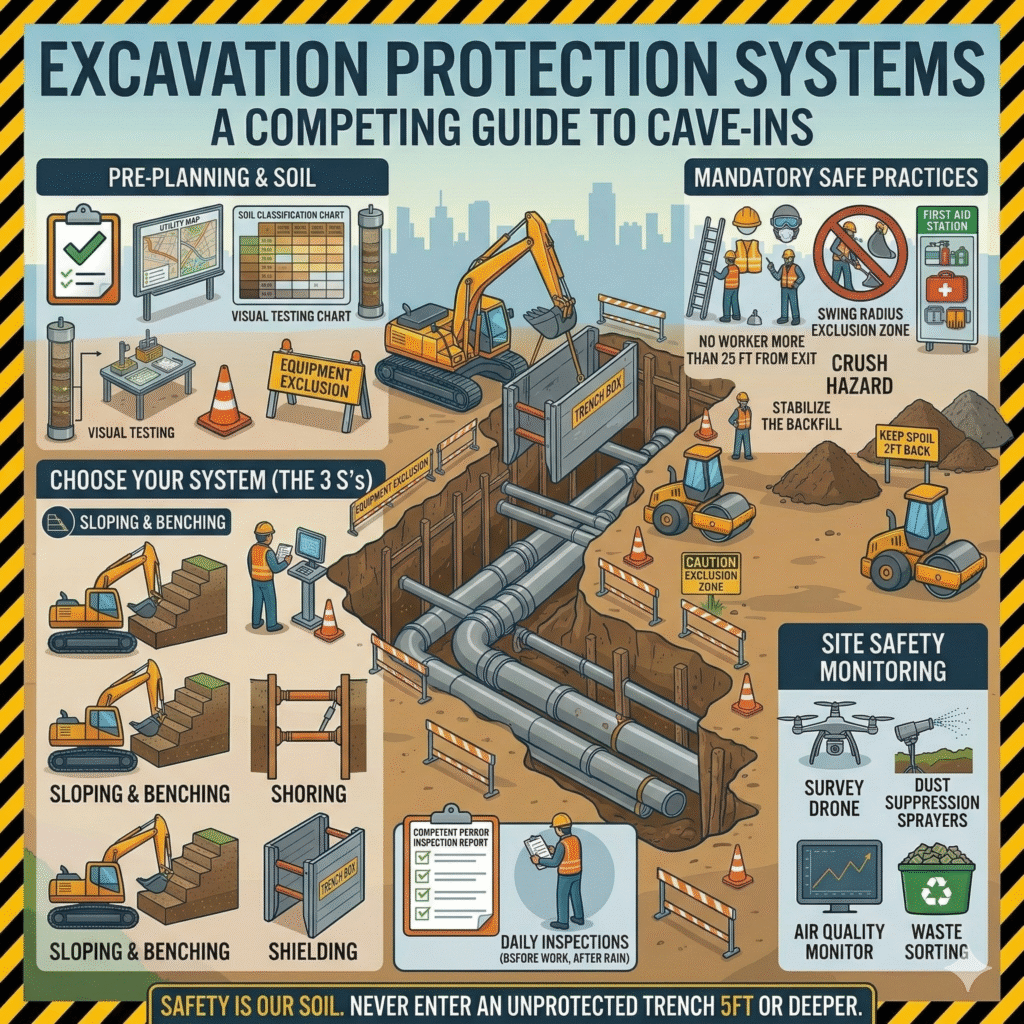
Excavation work creates serious hazards such as trench collapse, falling materials, and equipment accidents. Therefore, protective systems are used to prevent soil collapse and protect workers inside excavations or trenches. Safety authorities such as Occupational Safety and Health Administration recommend several protection methods for excavation work. Below are the main excavation protection systems used in […]
Backfilling in Construction: Major Hazards, Safety Risks, and Control Measures
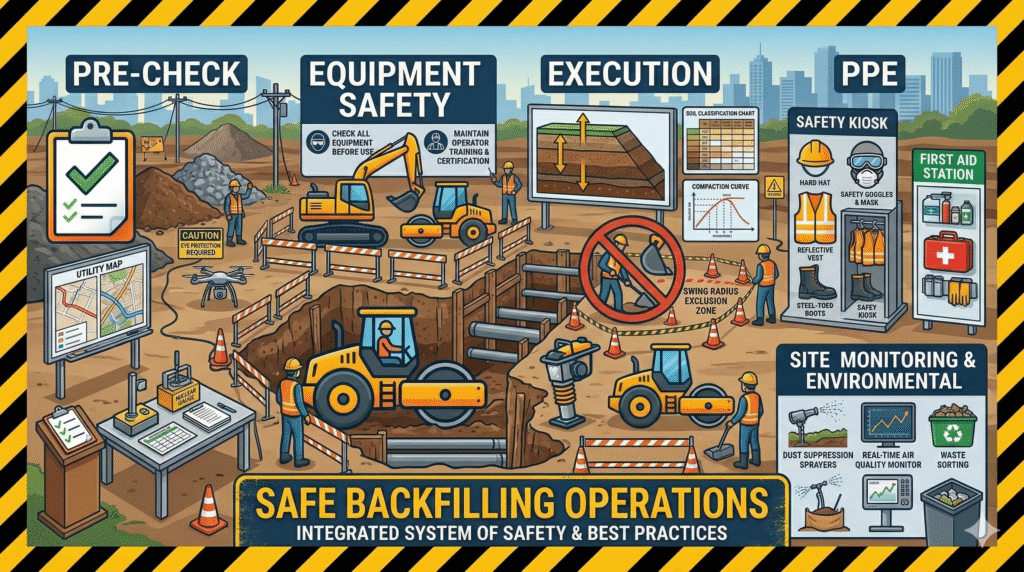
Backfilling is a common activity in construction that involves refilling soil or other suitable material into an excavation after completing work such as foundations, pipelines, or underground utilities. While backfilling helps restore ground level and support structures, it can also introduce several safety hazards if not managed properly. Effective planning and adherence to safety practices […]
Fishbone Model for RCA – Case Application on Rana Plaza Collapse
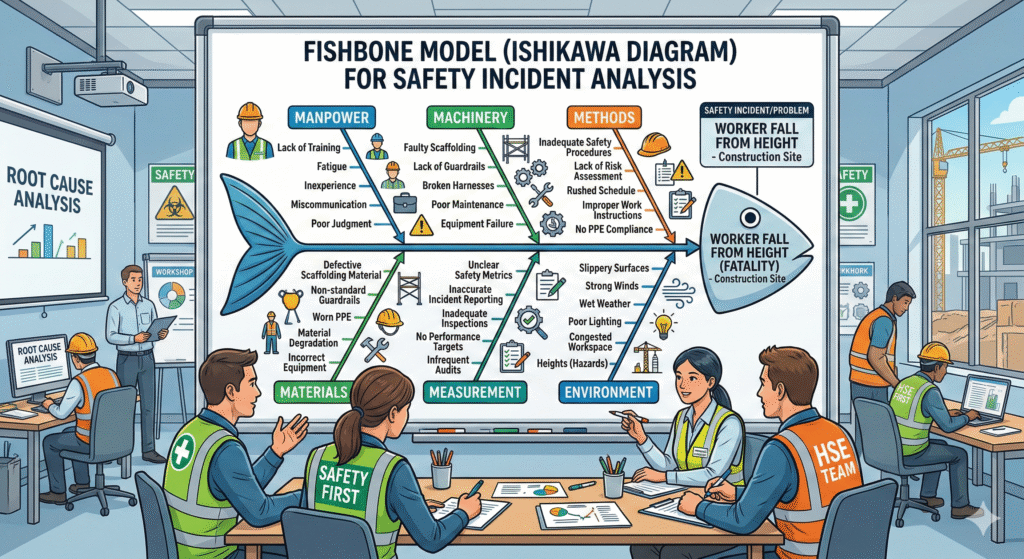
The Fishbone Diagram (also called Ishikawa Diagram or Cause-and-Effect Diagram) is a structured Root Cause Analysis (RCA) tool used to systematically identify, categorize, and analyze contributing factors of a failure event. In high-risk industries such as construction, manufacturing, and occupational safety, the Fishbone model prevents superficial conclusions and forces investigation into systemic weaknesses. The collapse […]
Why Six-Side (360°) Observation Is Critical in Safety
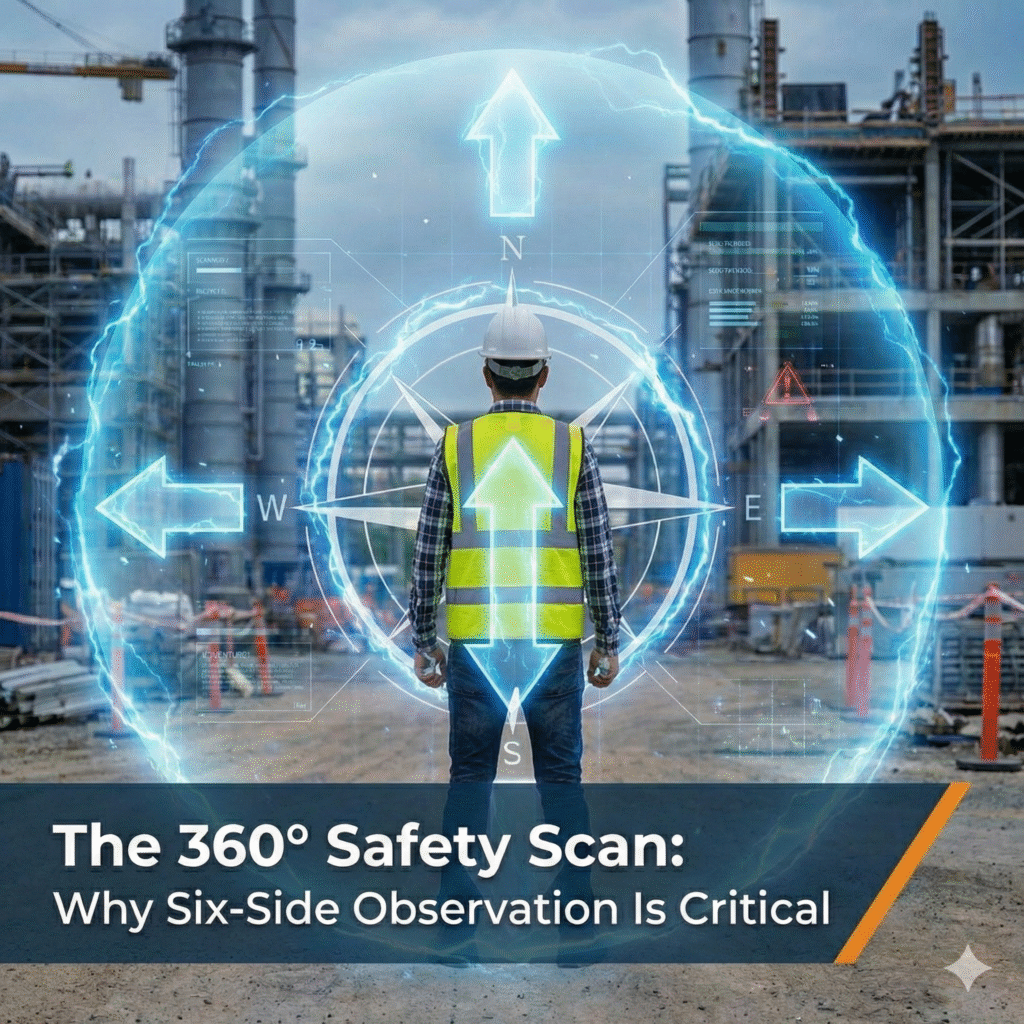
Many incidents happen because a worker or inspector focuses only on what is in front. Experienced HSE professionals are trained to scan all directions before declaring an area safe. 1️⃣ Front – Immediate Task Hazard This includes: Moving machinery Rotating parts Hot surfaces Chemical handling Vehicle movement Most people focus only here — which is […]
Why Leaders and Experienced Professionals Rely on Common Sense for Hazard Identification
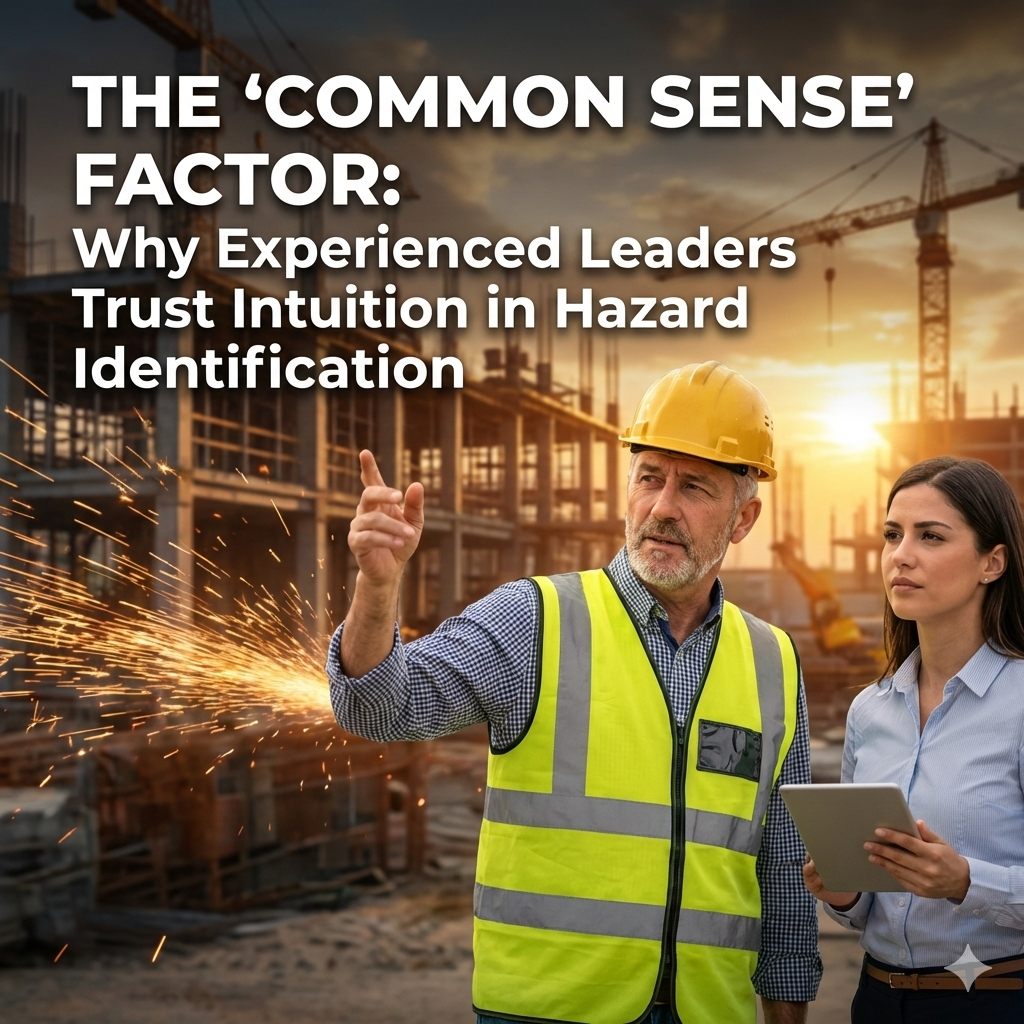
In workplace audits and inspections, experienced leaders often refer to something simple yet powerful — common sense.But common sense in safety is not casual thinking. It is developed situational awareness built through experience, observation, and risk perception.Senior professionals use their five senses effectively because they have trained their minds to recognize patterns, deviations, and unsafe […]
Swiss Cheese Model in Safety Management: Invention, Purpose, and Role in Audit Gap Analysis
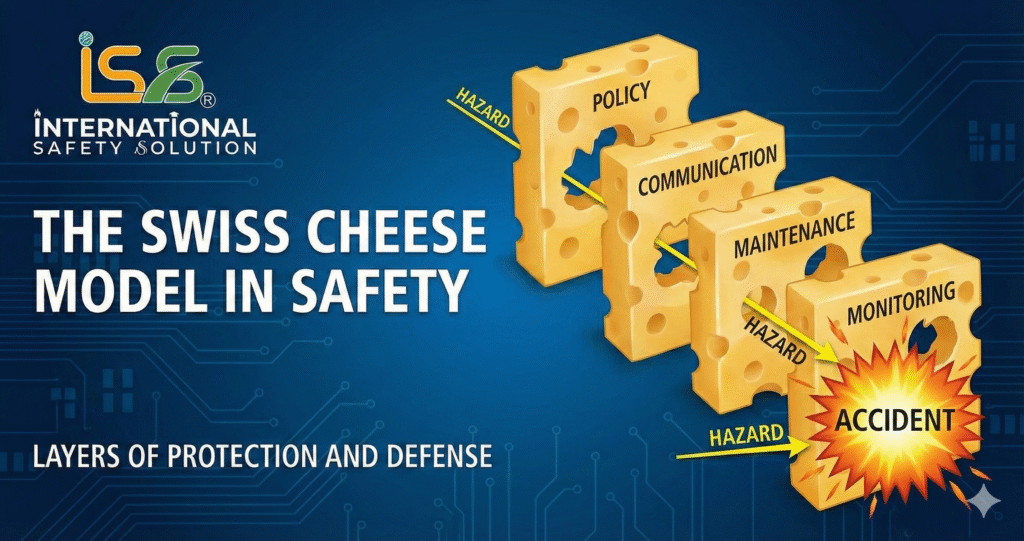
In high-risk industries such as oil and gas, construction, aviation, healthcare, and manufacturing, accidents rarely occur due to a single mistake. Most major incidents are the result of multiple system failures occurring simultaneously. The Swiss Cheese Model is one of the most widely accepted safety management models used globally to explain this reality and support […]
Concrete Batching plant
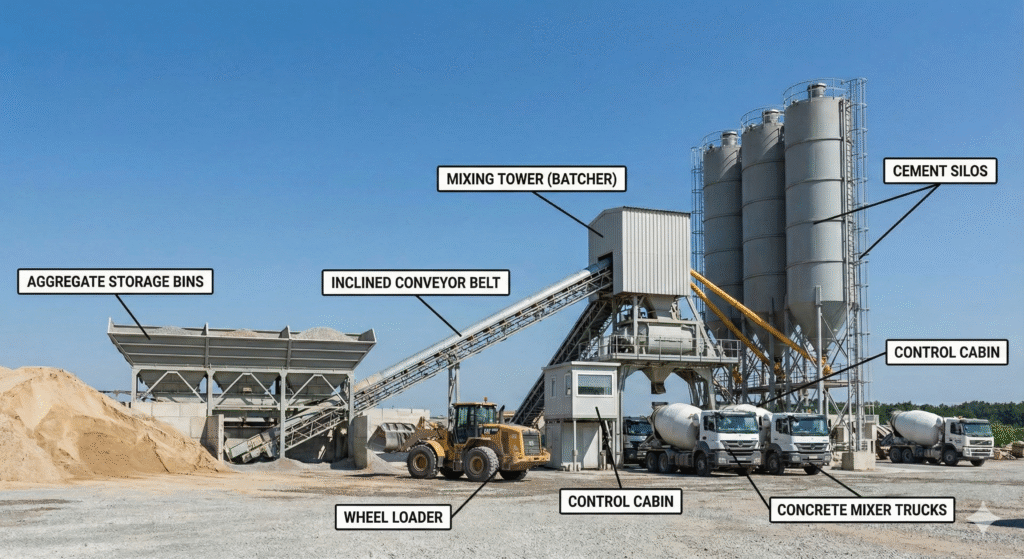
Batching Plant on a Construction Site: 1. Introduction A batching plant (often called a concrete batching plant) is a facility on or near a construction site where raw materials — cement, water, aggregates (sand, gravel), and additives — are measured, combined, and mixed to produce fresh concrete for building structures, pavements, bridges, and infrastructure work. […]
Blame, No-Blame, and Just Culture
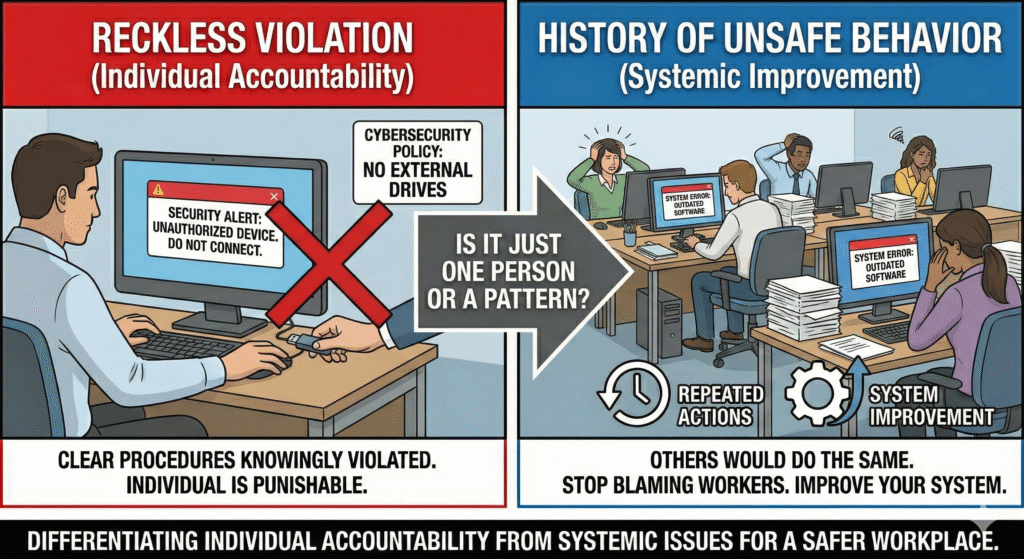
Understanding Accountability the Right Way (Following Sidney Dekker) Who is Sidney Dekker? No-Blame: Sidney Dekker is a globally respected safety thinker, author, and researcher.His work focuses on why incidents make sense to people at the time, instead of blaming them afterward. Dekker’s core belief is very clear: People do not come to work to break […]