
The Critical Importance of Follow-Up in Safety Management for HSE Professionals
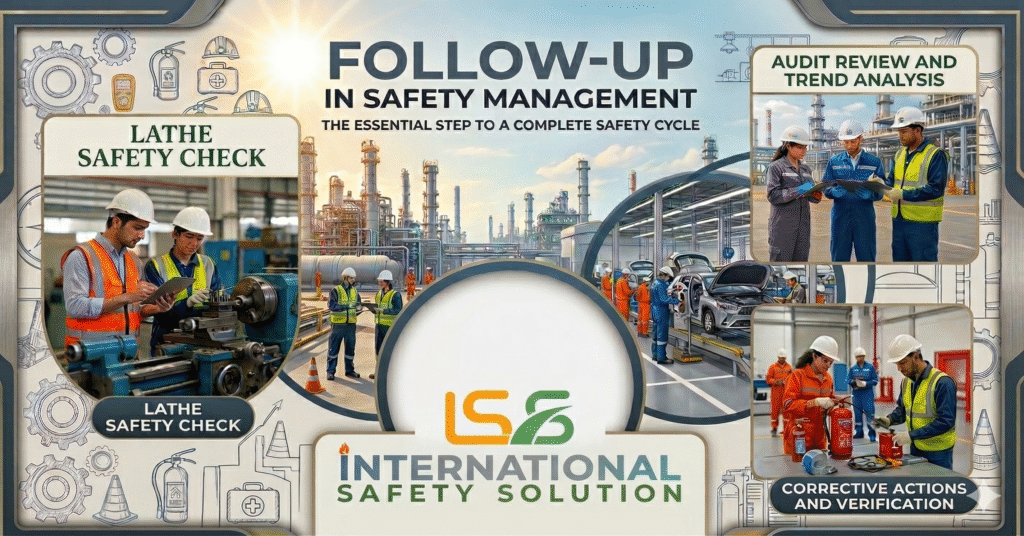
IntroductionIn occupational health and safety, identifying hazards and implementing controls is only half the job. The real effectiveness of any safety system lies in consistent and structured follow-up. Without follow-up, even the best safety plans become ineffective, leading to recurring incidents, non-compliance, and operational risks. For safety officers and professionals across industries, follow-up is not […]
What Is a Manual Hooter?
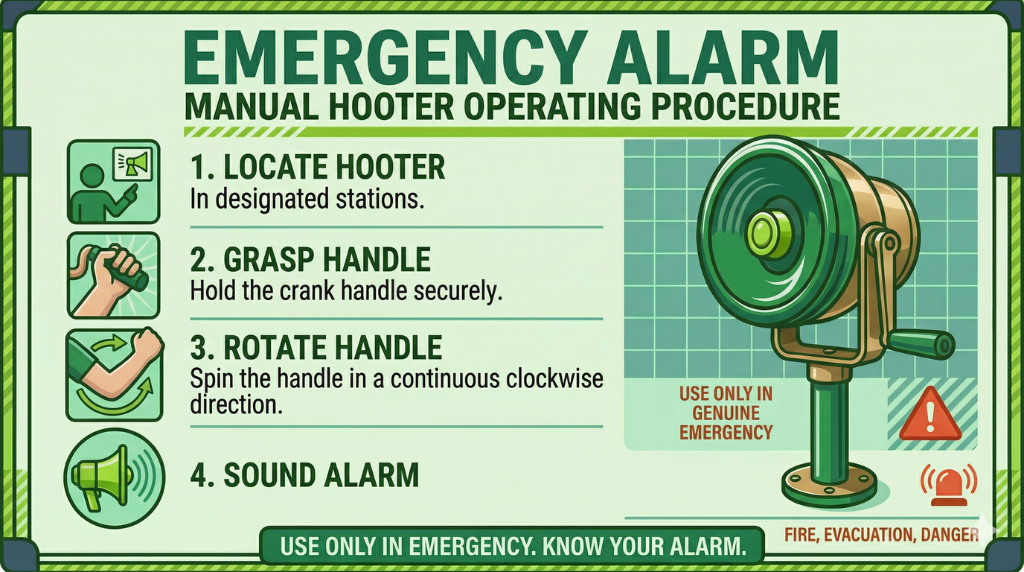
A manual hooter is an audible fire alarm notification device that produces a loud warning sound (typically 85–120 dB) to alert occupants during emergencies such as fire, gas leaks, or evacuation situations. In technical terms, it is part of a Fire Alarm System (FAS) and functions as an audible signaling appliance. It is commonly connected […]
Fishbone Model for RCA – Case Application on Rana Plaza Collapse
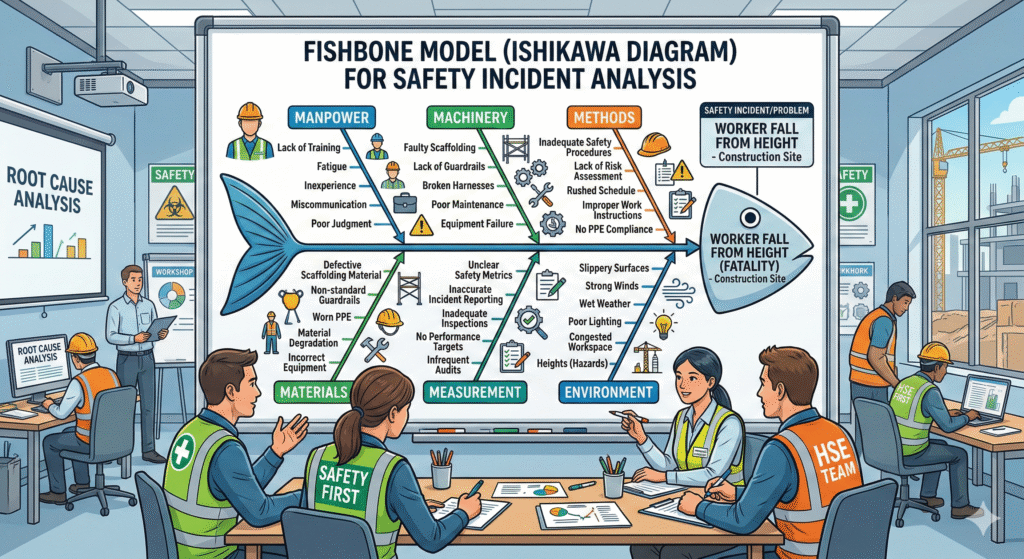
The Fishbone Diagram (also called Ishikawa Diagram or Cause-and-Effect Diagram) is a structured Root Cause Analysis (RCA) tool used to systematically identify, categorize, and analyze contributing factors of a failure event. In high-risk industries such as construction, manufacturing, and occupational safety, the Fishbone model prevents superficial conclusions and forces investigation into systemic weaknesses. The collapse […]
Why We Must Manage Health and Safety in the Workplace – Moral, Legal, and Financial Reasons
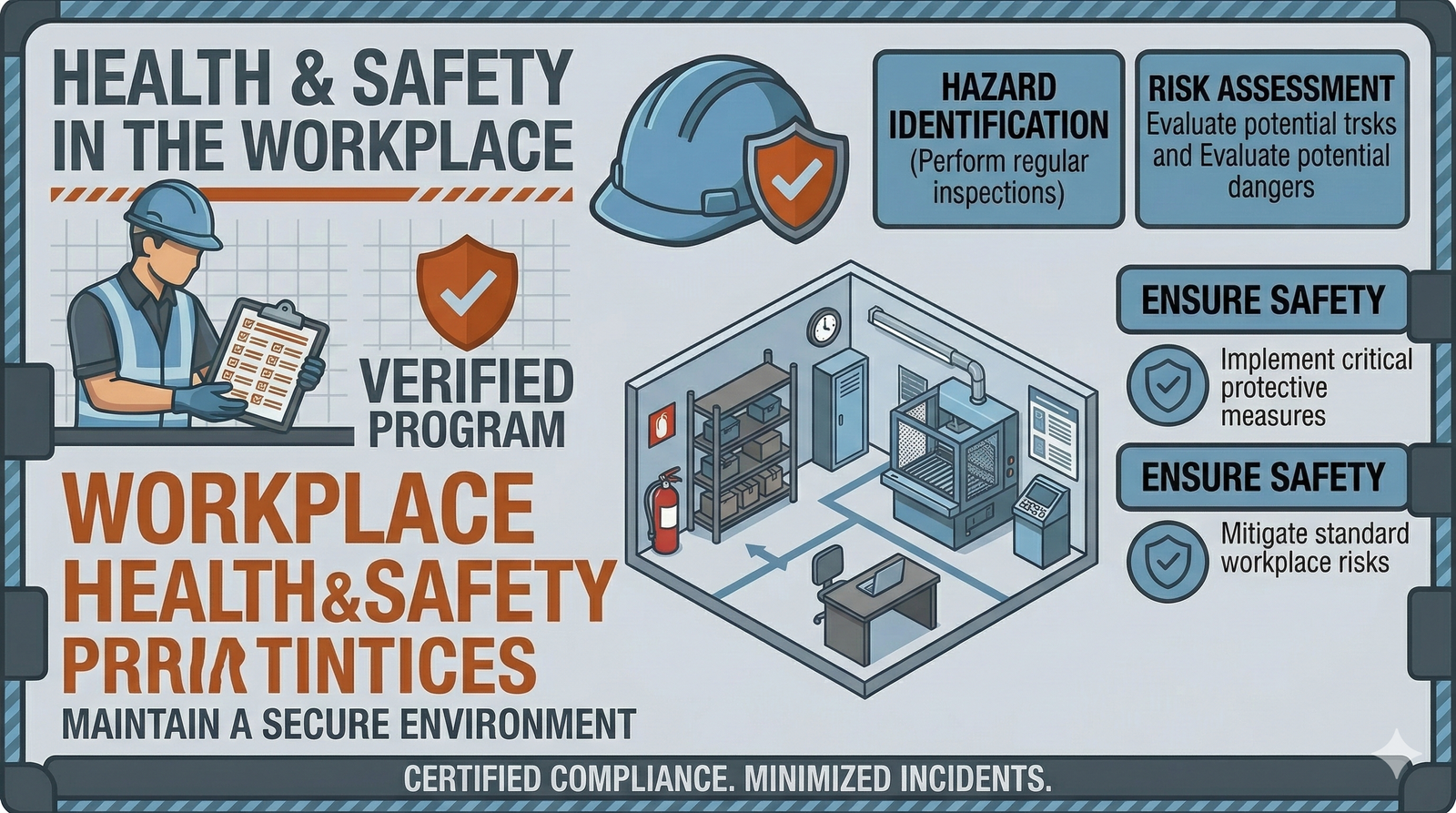
Managing Health, Safety, and Environment (HSE) is not optional — it is essential for every workplace. Proper HSE management protects workers, improves business performance, and ensures legal compliance. Here are the three major reasons to manage HSE effectively: 1️⃣ Moral Responsibility – Protecting Human Life ✅ ExplanationThe first and most important reason to manage HSE […]
Hazard Identification, Risk Assessment and Control (HIRAC) – Simple Guide to Workplace Safety
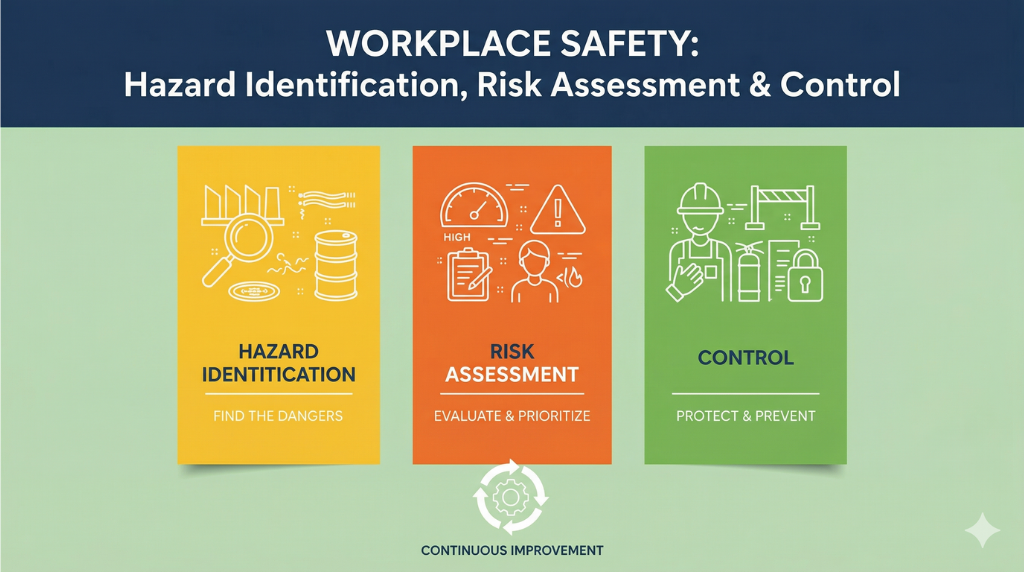
In Occupational Health, Safety, and Environment (HSE) practice, HIRAC is the backbone of workplace safety. It helps prevent incidents, near misses, and accidents by identifying hazards, assessing risks, and applying control measures systematically.This guide explains HIRAC in simple terms with practical examples, including the Hierarchy of Controls. 1️⃣ Hazard Identification (H)✅ Simple DefinitionHazard Identification is […]
Why Leaders and Experienced Professionals Rely on Common Sense for Hazard Identification
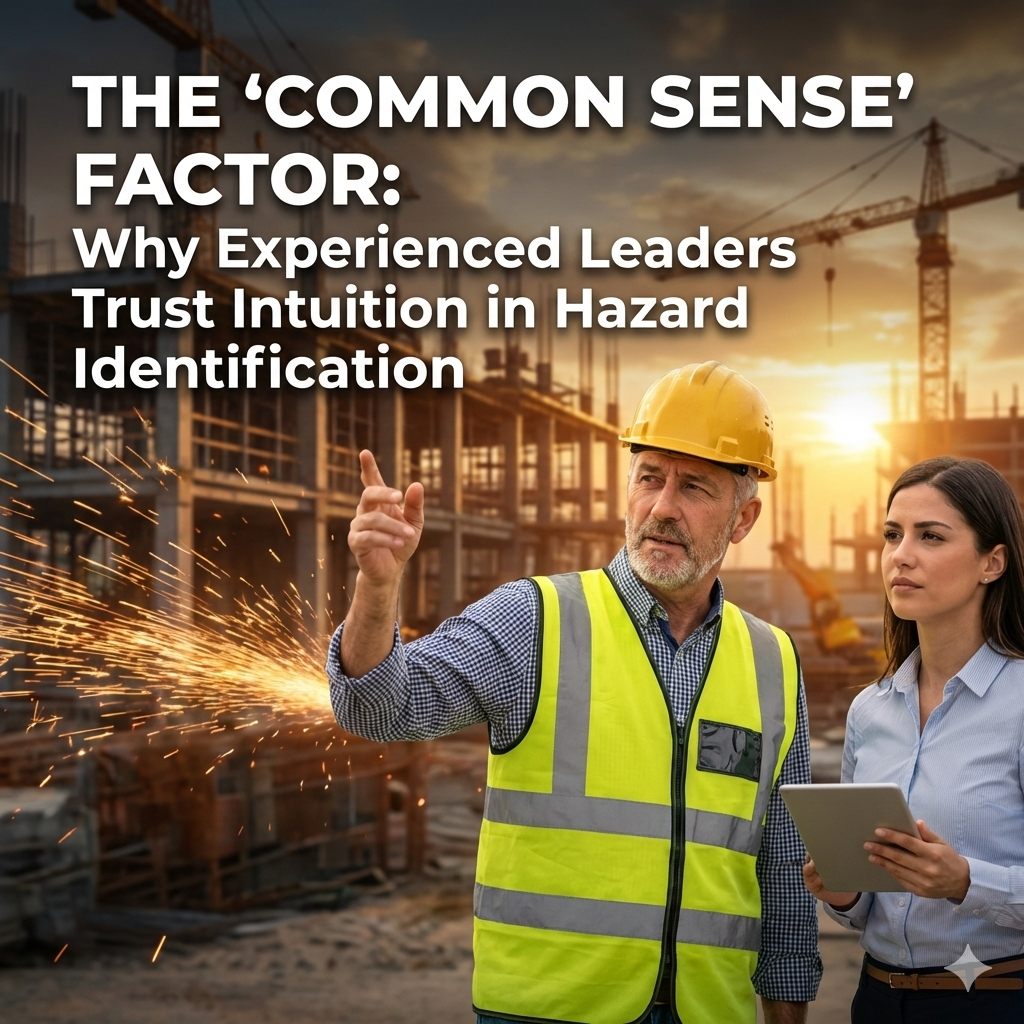
In workplace audits and inspections, experienced leaders often refer to something simple yet powerful — common sense.But common sense in safety is not casual thinking. It is developed situational awareness built through experience, observation, and risk perception.Senior professionals use their five senses effectively because they have trained their minds to recognize patterns, deviations, and unsafe […]
Workplace Lighting Standards: Ensuring Safety and Productivity
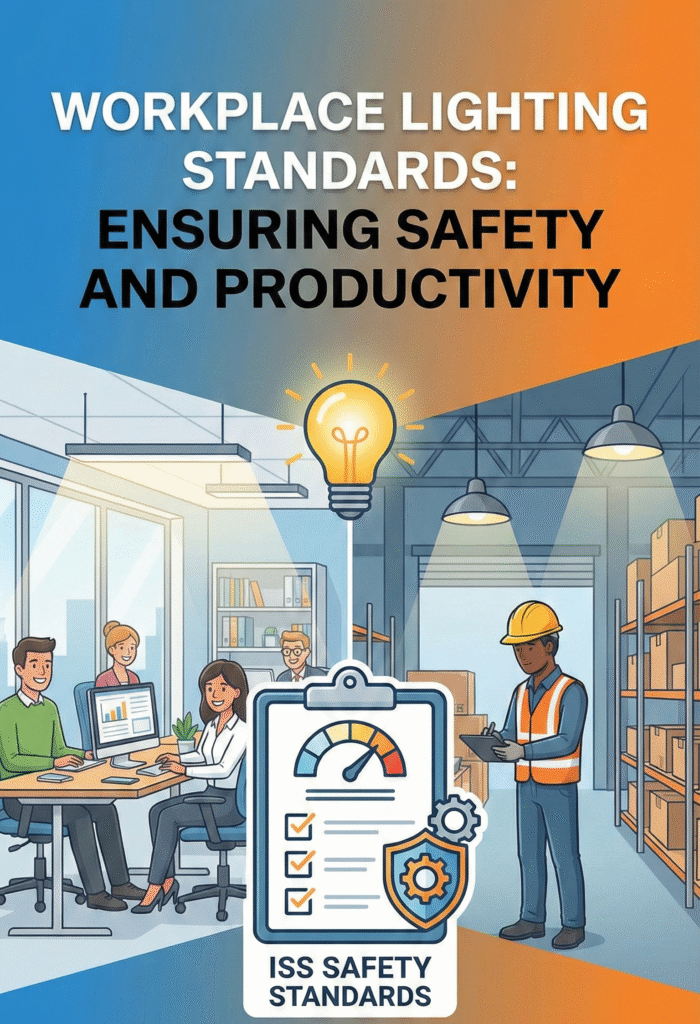
Proper lighting is a crucial yet often overlooked aspect of workplace health, safety, and productivity. Poor lighting can lead to accidents, visual fatigue, decreased efficiency, and long-term eye strain. NEBOSH IDIP Level 6 emphasizes lighting as part of the broader work environment management for occupational safety. Here’s what you need to know. 1️⃣ Importance of […]
Emergency Response Team Explained: How ERTs Save Lives, Reduce Losses, and Support ISO Compliance
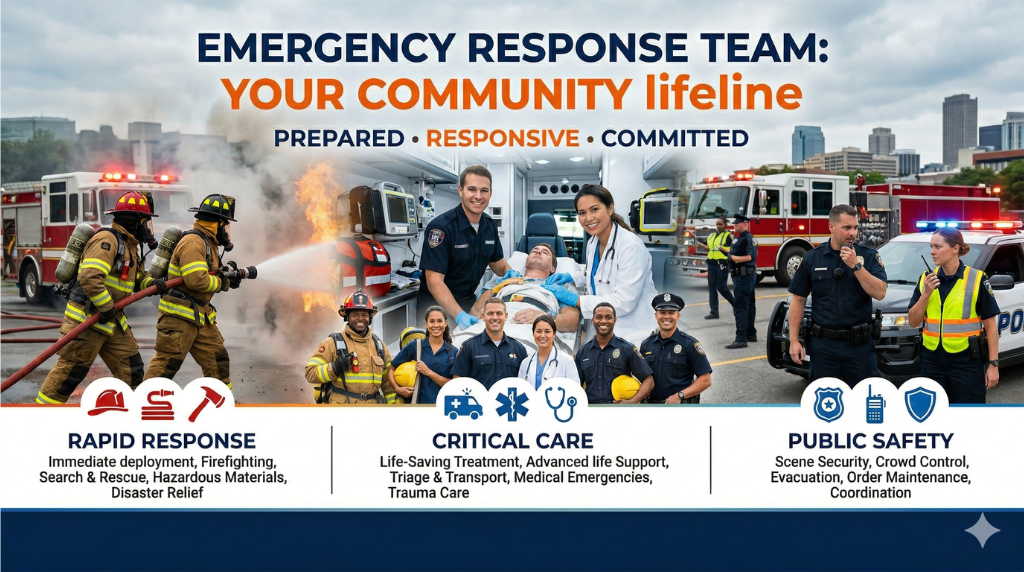
What Is an Emergency Response Team (ERT)? An Emergency Response Team (ERT) is a group of trained employees assigned specific roles to manage workplace emergencies until the situation is controlled or external emergency services arrive. The ERT operates under a defined Emergency Response Plan (ERP) and follows recognized safety and legal standards. Its primary objective […]
Swiss Cheese Model in Safety Management: Invention, Purpose, and Role in Audit Gap Analysis
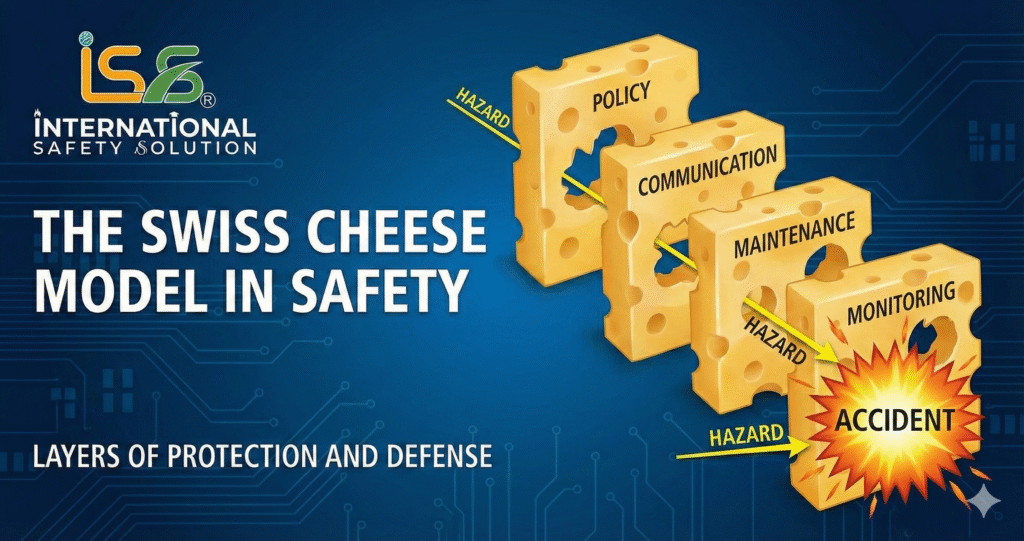
In high-risk industries such as oil and gas, construction, aviation, healthcare, and manufacturing, accidents rarely occur due to a single mistake. Most major incidents are the result of multiple system failures occurring simultaneously. The Swiss Cheese Model is one of the most widely accepted safety management models used globally to explain this reality and support […]
Protection Used in Excavation: Hazards, Standards, and Best Safety Practices
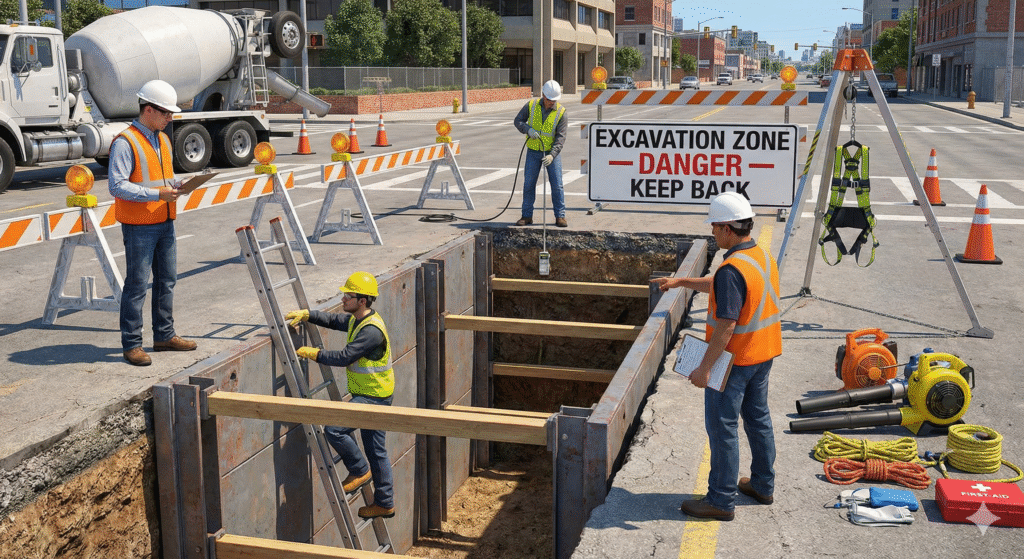
Excavation work is one of the highest-risk construction activities due to the potential for ground collapse, falls, engulfment, and striking utilities. Protective systems in excavation are engineering and administrative controls designed to prevent injury, fatalities, and property damage. International standards require that excavations deeper than specific limits must be protected using approved methods based on […]