

The Complete and Detailed Guide to Workplace Safety Compliance
Introduction
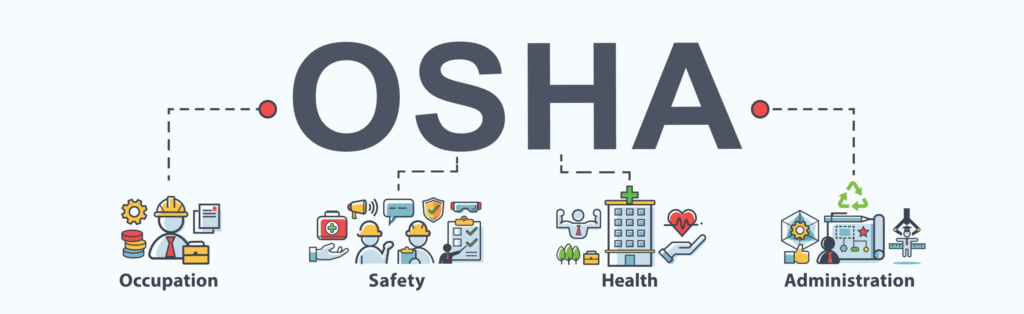
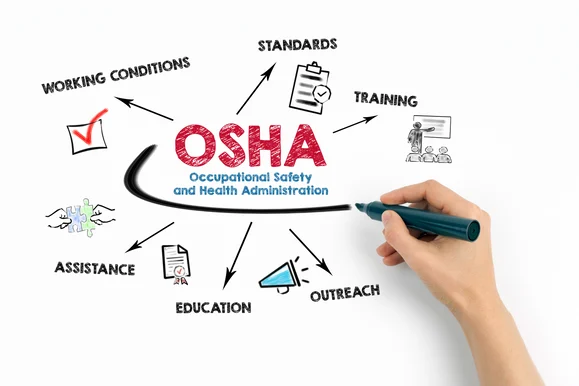
The Occupational Safety and Health Administration (OSHA) is one of the most influential workplace safety organizations in the world. Established under the Occupational Safety and Health Act of 1970, OSHA was created with a clear mission: to ensure safe and healthy working conditions for employees by setting and enforcing workplace safety standards. Before OSHA was established, workplace injuries, occupational illnesses, and fatalities were significantly higher because many employers lacked structured safety systems and regulations. Today, OSHA standards serve as a benchmark for safety management systems globally and are often referenced by organizations implementing health and safety programs.
OSHA standards are not simply legal requirements; they are practical tools that help organizations identify hazards, assess risks, implement control measures, train employees, and continuously improve workplace safety performance. Whether an employee works on a construction site, in a manufacturing facility, warehouse, hospital, office, laboratory, or oil and gas installation, OSHA standards provide guidance that can help prevent injuries, illnesses, property damage, environmental incidents, and fatalities.
Understanding OSHA standards is essential for employers, supervisors, safety officers, managers, and workers because compliance contributes to a safer work environment, increased productivity, reduced operational costs, improved employee morale, and stronger organizational reputation.
What Are OSHA Standards?
OSHA standards are legally enforceable regulations that establish minimum safety and health requirements employers must follow to protect workers from workplace hazards. These standards are developed based on scientific research, accident investigations, industry best practices, and occupational health studies.
The purpose of OSHA standards is to create consistency in workplace safety expectations across industries. Instead of leaving safety decisions entirely to individual organizations, OSHA provides structured requirements that define how employers should manage workplace hazards. These standards address a wide range of topics, including personal protective equipment, machine safety, chemical handling, fall protection, electrical safety, fire prevention, emergency response, confined spaces, respiratory protection, and many other workplace risks.
OSHA standards apply to millions of workers and employers. They provide clear guidance regarding employer responsibilities, employee rights, training requirements, inspection procedures, documentation practices, and enforcement mechanisms. By following OSHA standards, organizations can establish systematic approaches to hazard prevention and create safer working environments for all employees.
The General Duty Clause
The General Duty Clause is one of the most important provisions within OSHA regulations. It requires employers to provide a workplace free from recognized hazards that are causing or are likely to cause death or serious physical harm to employees.
This clause is particularly important because not every workplace hazard has a specific OSHA regulation. New technologies, changing work environments, and emerging hazards may create risks that are not yet covered under existing standards. The General Duty Clause ensures employers remain responsible for protecting workers even when specific regulations do not exist.
For example, if employees are exposed to a dangerous process that management knows could result in serious injury, the employer cannot simply claim that no OSHA standard addresses that specific hazard. The employer is still obligated to assess the risk, implement control measures, provide training, and take reasonable steps to eliminate or minimize the danger.
The General Duty Clause promotes proactive safety management by encouraging organizations to identify hazards before accidents occur. It emphasizes that workplace safety is not solely about following regulations but also about exercising responsibility and commitment toward employee well-being
Hazard Communication Standard (HCS)
The Hazard Communication Standard is commonly referred to as the “Right-to-Know” Standard because it ensures employees understand the chemical hazards they may encounter during work activities. Chemicals are present in nearly every workplace, including cleaning products, fuels, paints, solvents, laboratory substances, and industrial materials. Without proper information, workers may unknowingly expose themselves to substances that can cause burns, poisoning, respiratory diseases, cancer, or other serious health effects.
The Hazard Communication Standard requires employers to identify hazardous chemicals, communicate risks effectively, and provide employees with information necessary for safe handling and emergency response.
Chemical Labeling
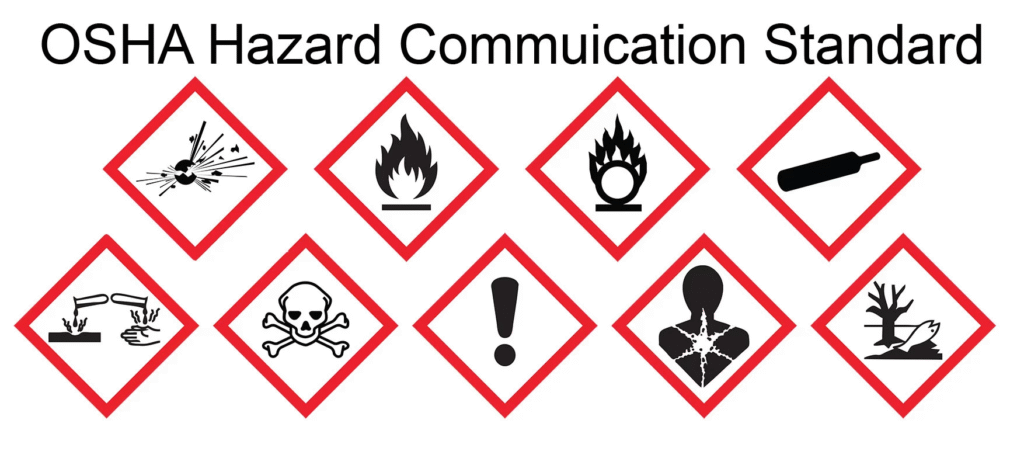
Chemical labeling serves as the first line of communication regarding hazardous substances. Every container containing hazardous chemicals must be properly labeled with information that helps workers immediately recognize potential dangers.
Labels typically include the product identifier, hazard pictograms, signal words such as “Danger” or “Warning,” hazard statements describing risks, precautionary statements explaining safe handling procedures, and supplier information. Proper labeling prevents confusion, minimizes accidental misuse, and enables employees to quickly identify hazards during routine operations and emergencies.
Without effective labeling systems, workers may unknowingly mix incompatible chemicals, use inappropriate protective equipment, or expose themselves to dangerous substances.
Safety Data Sheets (SDS)
Safety Data Sheets are comprehensive documents containing detailed information about hazardous chemicals. OSHA requires employers to maintain accessible SDS documentation for all hazardous substances used within the workplace.
An SDS provides information regarding chemical composition, physical properties, health hazards, exposure limits, first aid procedures, firefighting measures, spill response methods, storage requirements, handling precautions, transportation information, and disposal recommendations.
During emergencies, SDS documents become critical resources because they help emergency responders, supervisors, and employees understand the nature of the hazard and implement appropriate response actions.
Employee Training
Training is a fundamental component of hazard communication. Employees must understand how to read labels, interpret Safety Data Sheets, recognize chemical hazards, use personal protective equipment, and respond appropriately during spills, leaks, or exposure incidents.
Comprehensive training increases hazard awareness, improves employee confidence, reduces chemical-related accidents, and promotes safer work practices throughout the organization.
Personal Protective Equipment (PPE) Standard
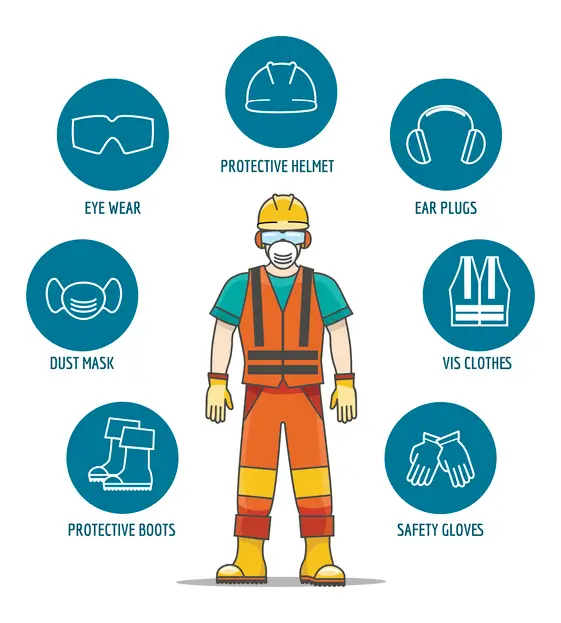
Personal Protective Equipment is designed to protect workers when hazards cannot be completely eliminated through engineering controls or administrative controls. PPE acts as the final barrier between the worker and the hazard, reducing the likelihood and severity of injuries.
Employers must conduct workplace hazard assessments to determine what PPE is necessary for specific tasks and work environments.
Head Protection
Head injuries can occur due to falling tools, moving equipment, overhead work, structural collapse, or accidental impacts. Hard hats are specifically designed to absorb and distribute impact forces, reducing the risk of skull fractures, brain injuries, and other serious trauma.
Different classes of hard hats provide varying levels of protection against impact and electrical hazards. Employers must ensure workers receive appropriate head protection based on identified workplace risks.
Eye and Face Protection
The human eye is highly vulnerable to workplace hazards. Flying particles, dust, chemical splashes, molten metal, welding radiation, and pressurized liquids can cause permanent vision loss within seconds.
Safety glasses, goggles, and face shields provide protection against these hazards. Employers must select eye protection appropriate to the specific task being performed and ensure workers understand proper usage and maintenance procedures.
Hand Protection
Hands are among the most frequently injured body parts in occupational settings. Workers may encounter hazards such as sharp objects, extreme temperatures, corrosive chemicals, electrical energy, and biological contaminants.
Different glove types provide protection against specific hazards. Selecting the correct glove material is essential because inappropriate gloves may provide little or no protection.
Foot Protection
Foot injuries can result from falling objects, punctures, slips, trips, electrical exposure, and crushing hazards. Safety footwear helps prevent these injuries through reinforced toe protection, slip-resistant soles, puncture-resistant materials, and electrical hazard protection features.
Employers should ensure workers wear footwear appropriate to workplace conditions and identified risks.
Hearing Protection
Long-term exposure to excessive noise can cause permanent hearing loss, tinnitus, and communication difficulties. OSHA requires hearing conservation measures when noise exposure exceeds established limits.
Hearing protection devices such as earplugs and earmuffs reduce noise exposure and help preserve employee hearing health throughout their careers.
Fall Protection Standard
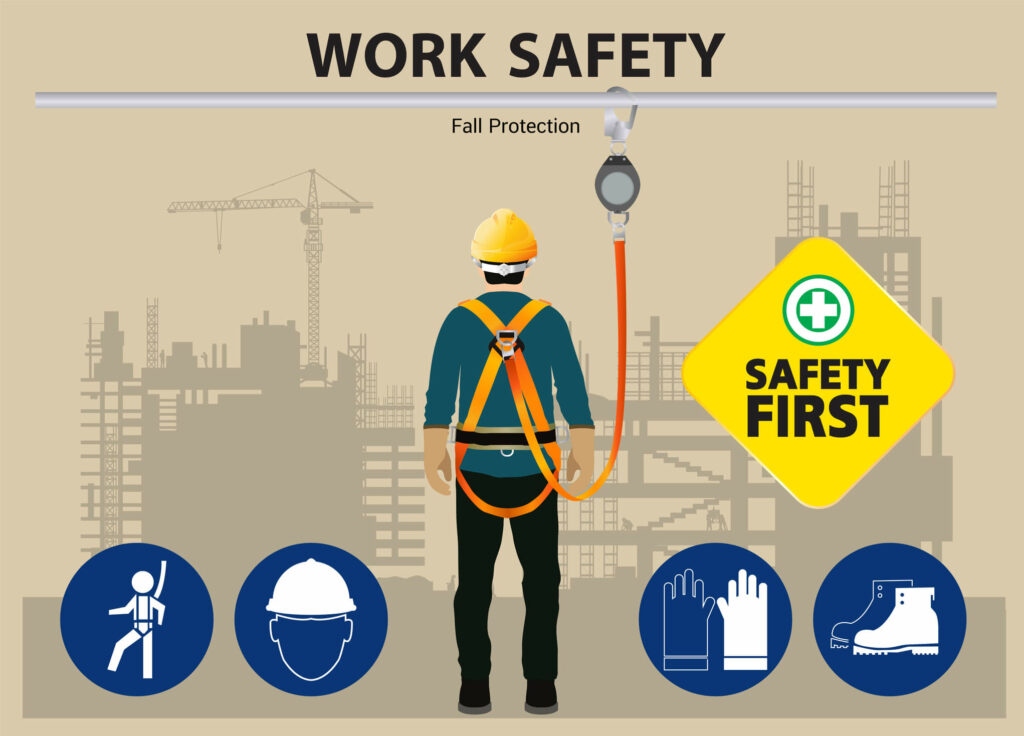
Falls continue to be one of the leading causes of workplace fatalities worldwide, particularly within construction, maintenance, telecommunications, and industrial sectors. OSHA fall protection standards are designed to prevent workers from falling from elevated surfaces and reduce the severity of injuries if falls occur.
Employers must identify fall hazards, implement protective systems, and ensure employees receive appropriate training before performing elevated work.
Guardrail Systems
Guardrails provide collective protection by creating physical barriers around elevated work areas. They are commonly installed on roofs, platforms, stairways, scaffolds, mezzanines, and elevated walkways.
Guardrails eliminate the need for workers to actively wear equipment and provide continuous protection for everyone within the area.
Personal Fall Arrest Systems
Personal fall arrest systems consist of full-body harnesses, lanyards, connectors, and secure anchorage points. These systems are designed to stop falls safely before workers strike lower levels.
Proper inspection, maintenance, and training are critical because equipment failure or improper use can result in catastrophic consequences.
Safety Nets
Safety nets provide secondary protection by catching workers who fall from elevated locations. They are particularly useful in situations where guardrails or personal fall arrest systems are impractical.
Safety nets must be properly installed, inspected, and maintained to ensure effectiveness.
Fall Protection Training
Workers must understand hazard recognition, equipment inspection, system limitations, rescue procedures, and safe work practices. Effective training significantly reduces fall-related incidents and enhances worker confidence when performing elevated tasks.
Lockout/Tagout (LOTO) Standard
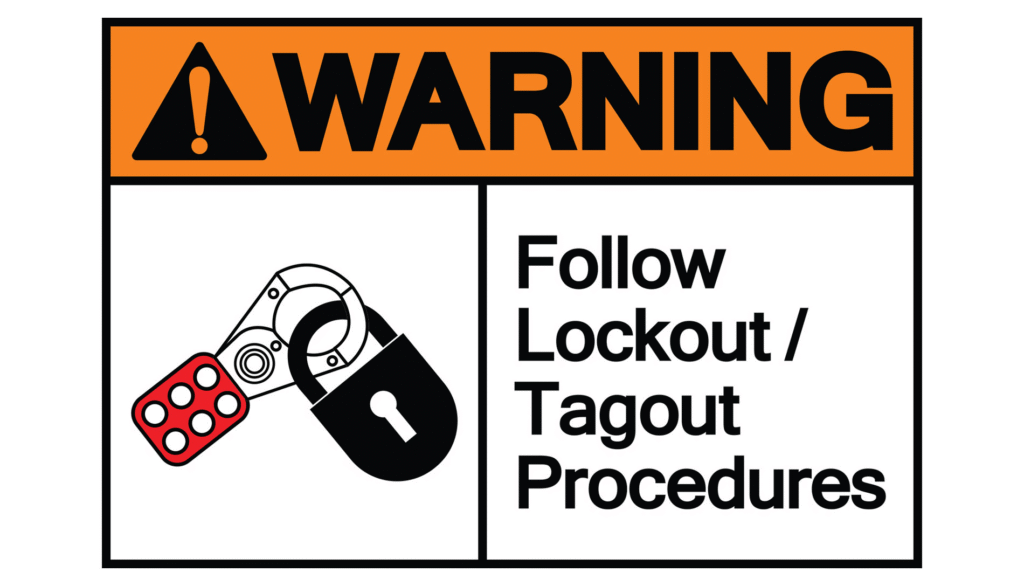
Unexpected machine startup remains one of the most serious hazards during maintenance and servicing activities. Workers can be crushed, amputated, burned, electrocuted, or killed if hazardous energy is not properly controlled.
The Lockout/Tagout Standard establishes procedures for isolating and controlling hazardous energy sources before maintenance begins.
Detailed energy control procedures must identify all energy sources, specify shutdown methods, explain isolation requirements, and describe verification steps to ensure equipment is completely de-energized.
Training programs must ensure employees understand their responsibilities, recognize hazardous energy sources, and follow established procedures consistently.
A well-managed Lockout/Tagout program prevents numerous severe injuries and fatalities each year.
Electrical Safety Standards
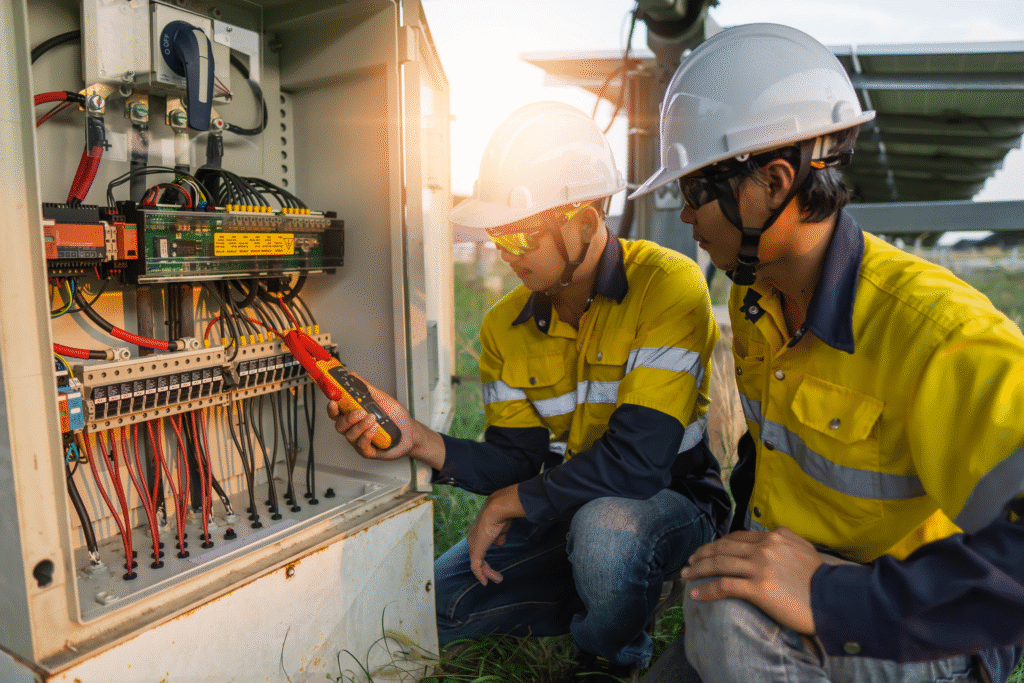
Electricity is essential in modern workplaces but presents significant hazards when not properly managed. Electrical incidents can cause shocks, burns, explosions, arc flashes, fires, and fatalities.
OSHA electrical standards require employers to maintain safe electrical systems, ensure proper equipment installation, and protect employees from electrical hazards.
Regular inspections, preventive maintenance, proper grounding, safe wiring practices, lockout procedures, and employee training are all critical components of electrical safety management.
Workers performing electrical tasks must understand hazard recognition, safe work distances, equipment limitations, and emergency response procedures.
Strong electrical safety programs significantly reduce workplace accidents and improve operational reliability.
Respiratory Protection Standard
Many workplaces expose employees to airborne contaminants that can damage respiratory health. Dust, fumes, gases, vapors, smoke, biological agents, and airborne particles can cause short-term irritation and long-term occupational diseases.
OSHA requires employers to establish respiratory protection programs whenever engineering controls cannot adequately control airborne hazards.
Respiratory protection programs include hazard assessments, respirator selection, medical evaluations, fit testing, maintenance procedures, and employee training.
Effective respiratory protection reduces exposure to harmful contaminants and protects workers from occupational illnesses that may develop over many years.
Fire Protection and Prevention Standards
Workplace fires can result in injuries, fatalities, business interruption, environmental damage, and significant financial losses. OSHA requires employers to establish comprehensive fire prevention and emergency response programs.
Fire prevention begins with hazard identification, proper storage of combustible materials, control of ignition sources, maintenance of electrical systems, and effective housekeeping practices.
Emergency preparedness includes fire alarms, emergency exits, evacuation plans, assembly points, fire extinguishers, emergency lighting, and employee training.
Organizations that invest in fire prevention significantly reduce the likelihood and consequences of fire-related incidents.
Walking and Working Surfaces Standard
Slips, trips, and falls account for a substantial percentage of workplace injuries annually. These incidents often result in fractures, sprains, strains, head injuries, lost workdays, and reduced productivity.
OSHA requires employers to maintain safe walking and working surfaces through effective housekeeping, routine inspections, hazard correction, and employee awareness programs.
Damaged flooring, poor lighting, cluttered walkways, uneven surfaces, and slippery conditions must be identified and corrected promptly.
Safe walking and working surfaces contribute significantly to overall workplace safety performance.
OSHA Recordkeeping and Reporting Requirements
Accurate recordkeeping is essential for understanding workplace safety performance and identifying trends. OSHA requires many employers to maintain records of occupational injuries and illnesses.
These records provide valuable information regarding accident causes, hazard patterns, high-risk activities, and opportunities for improvement.
Organizations can use this information to develop targeted interventions, allocate resources effectively, and strengthen safety management systems.
Timely reporting of serious incidents also enables regulatory authorities to investigate accidents and prevent similar occurrences elsewhere.
OSHA Training Requirements
Training is one of the most effective methods of preventing workplace accidents. Employees cannot work safely if they do not understand hazards, procedures, equipment limitations, and emergency response requirements.
OSHA standards require training across numerous topics, including hazard communication, personal protective equipment, fall protection, fire safety, machine guarding, respiratory protection, confined spaces, electrical safety, and emergency preparedness.
Training should be practical, understandable, job-specific, and regularly refreshed. Continuous learning helps employees maintain competency and adapt to changing workplace conditions.
Organizations that prioritize safety training typically experience fewer accidents, improved compliance, stronger safety cultures, and higher employee engagement.
Conclusion
OSHA standards provide a comprehensive framework for workplace safety and health management. They help organizations identify hazards, assess risks, implement controls, train employees, prepare for emergencies, and continuously improve safety performance. By fully understanding and implementing OSHA requirements, employers can create safer workplaces, reduce injuries and illnesses, improve productivity, lower operational costs, and demonstrate a genuine commitment to protecting their workforce. Ultimately, OSHA compliance is not merely a legal obligation—it is a strategic investment in people, performance, and organizational success.