
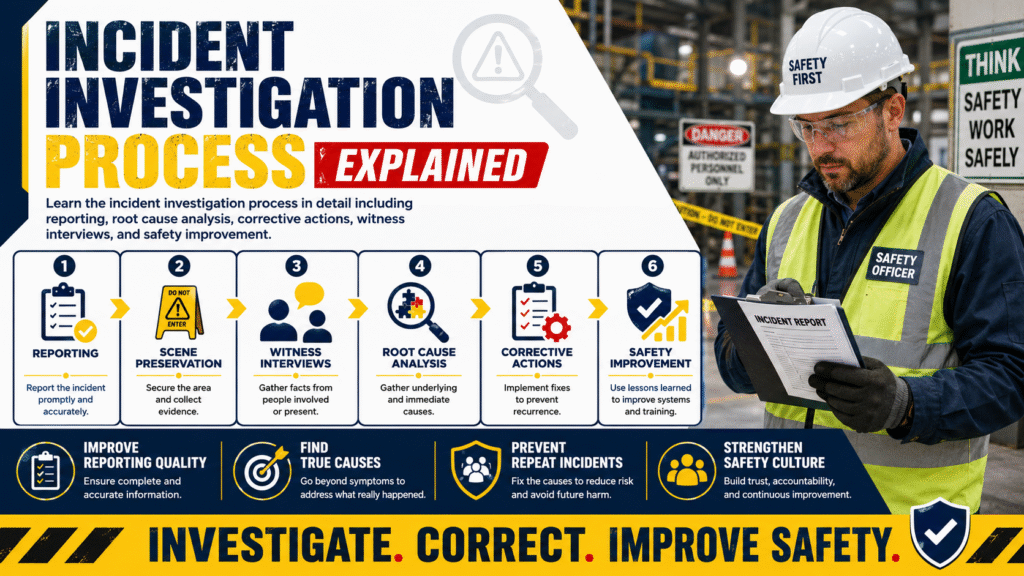
Incident Investigation Process A Complete Guide to Workplace Safety Analysis
Introduction
Incident investigation is a structured and systematic process used to determine the root causes of workplace accidents, near misses, injuries, illnesses, environmental incidents, and property damage events. The primary purpose of incident investigation is not to assign blame, but to identify underlying causes and prevent similar incidents from occurring in the future.
In every workplace, incidents can occur due to unsafe acts, unsafe conditions, equipment failures, human errors, or system weaknesses. Without proper investigation, organizations may only address surface-level issues, leaving root causes unresolved. This can lead to repeated incidents and increased risk exposure.
A well-structured incident investigation process helps organizations understand what happened, why it happened, and how to prevent it from happening again. It is a critical component of an effective health and safety management system and supports continuous improvement in workplace safety performance.
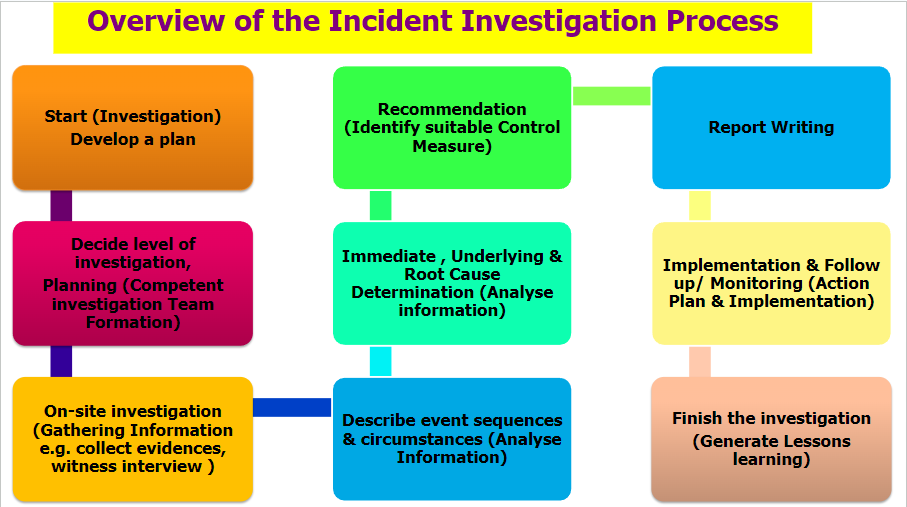
What is Incident Investigation?
Incident investigation is a formal process of collecting information, analyzing evidence, identifying root causes, and recommending corrective and preventive actions after a workplace incident occurs.
An incident may include accidents resulting in injury, near misses where no injury occurred but potential harm existed, property damage events, environmental spills, fire incidents, equipment failures, or unsafe conditions that could lead to future harm.
The main objective is to learn from incidents and improve workplace systems rather than punish individuals. A strong investigation focuses on system failures, organizational weaknesses, and contributing factors rather than blaming workers.
Importance of Incident Investigation
Incident investigation is essential for preventing recurrence of similar events. When organizations fail to investigate incidents properly, they miss opportunities to identify hazards and improve safety controls.
Effective investigations help organizations reduce injury rates, improve hazard awareness, enhance safety culture, and strengthen compliance with legal and regulatory requirements. They also help identify trends and patterns in workplace incidents, allowing organizations to implement proactive safety measures.
Investigations also support legal documentation and insurance requirements. In many industries, regulatory authorities require detailed reporting and analysis of serious incidents.
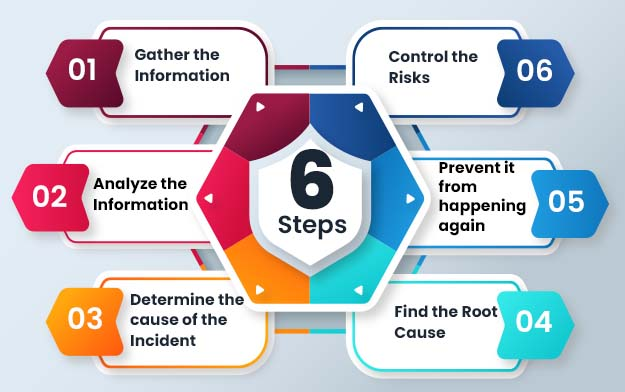
Types of Incidents
Workplace incidents can be categorized into different types depending on severity and impact.
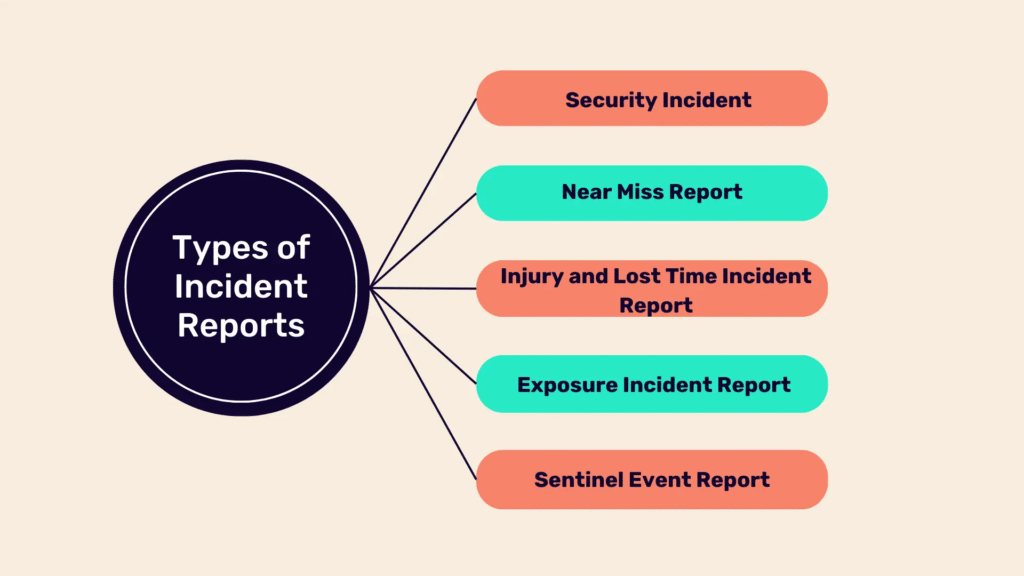
Accidents are events that result in injury, illness, or property damage. Near misses are events that could have caused harm but did not result in injury or damage due to timely intervention or chance. Dangerous occurrences are serious events that have the potential to cause severe harm even if no injury occurs. Environmental incidents involve spills, leaks, or emissions that may impact the environment.
Understanding different types of incidents helps organizations prioritize investigations and allocate appropriate resources.
Incident Reporting
Incident reporting is the first step in the investigation process. All incidents, regardless of severity, must be reported promptly to ensure timely response and evidence preservation.
Reporting should include details such as time, date, location, description of the incident, individuals involved, and immediate actions taken. Accurate reporting is essential because delayed or incomplete information can affect the quality of the investigation.
Organizations should encourage a reporting culture where employees feel safe to report incidents without fear of punishment.
Securing the Scene
Once an incident occurs, the scene must be secured to prevent further injury, damage, or contamination of evidence.
This involves isolating the area, stopping unsafe activities, and ensuring that only authorized personnel enter the scene. Physical evidence such as equipment, materials, and environmental conditions should be preserved as they are critical for accurate analysis.
Securing the scene ensures that investigators can collect reliable and unbiased information.
Data Collection
Data collection is one of the most important stages of incident investigation. It involves gathering all relevant information related to the incident.
This includes photographs, video footage, witness statements, equipment records, maintenance logs, training records, risk assessments, and safety procedures. Physical evidence from the scene also plays a critical role in understanding what happened.
Investigators must ensure that data collection is objective, accurate, and comprehensive.
Witness Interviews
Interviewing witnesses helps investigators understand the sequence of events leading to the incident.
Witness interviews should be conducted as soon as possible after the incident while memories are still fresh. Interviews must be non-confrontational and focused on gathering facts rather than assigning blame.
Different witnesses may provide different perspectives, so all statements should be carefully analyzed and compared.
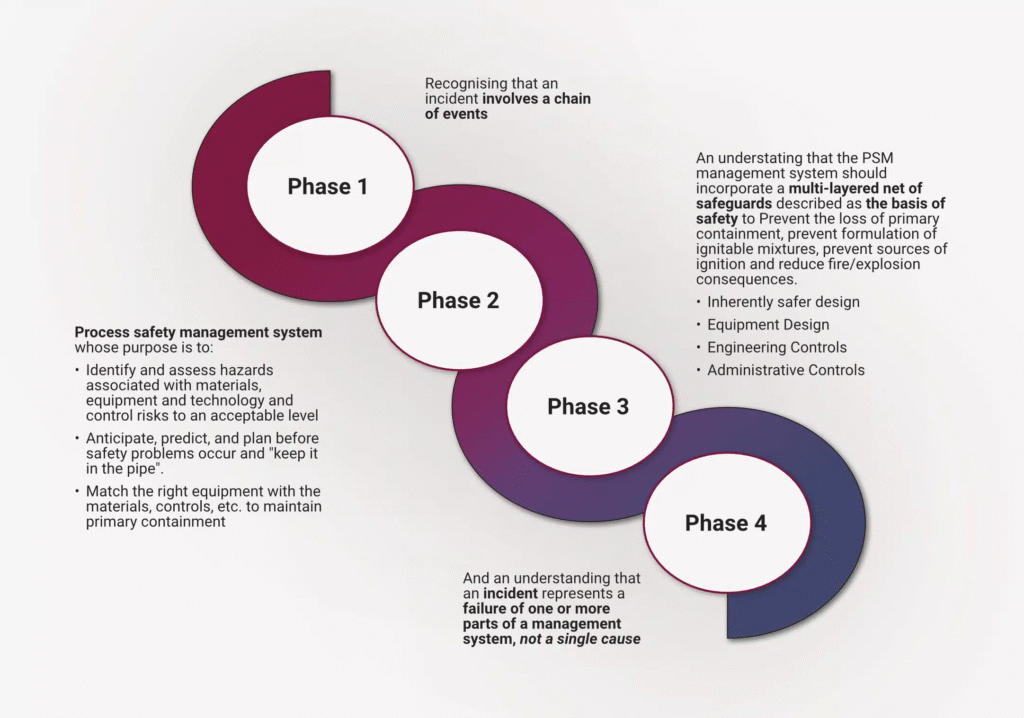
Root Cause Analysis
Root cause analysis is the most critical part of the incident investigation process. It focuses on identifying the underlying causes that led to the incident rather than just immediate causes.
Immediate causes are unsafe acts or unsafe conditions that directly contributed to the incident. However, root causes often include inadequate training, poor supervision, lack of procedures, equipment failures, or organizational weaknesses.
Techniques such as the 5 Whys method, fishbone diagram, and fault tree analysis are commonly used to identify root causes.
Understanding root causes helps organizations implement effective corrective actions that prevent recurrence.
Developing Corrective Actions
Once root causes are identified, corrective actions must be developed to eliminate or control the hazards.
Corrective actions may include engineering improvements, procedural changes, training programs, maintenance upgrades, or revisions to safety policies.
Corrective actions should follow the hierarchy of controls, prioritizing elimination and engineering controls over administrative controls and personal protective equipment.
Each corrective action should be specific, measurable, achievable, relevant, and time-bound.
Implementation of Recommendations
After corrective actions are defined, they must be implemented effectively. Responsibility for implementation should be clearly assigned, and deadlines should be established.
Management must ensure that resources are available to implement corrective measures. Without proper implementation, even the best recommendations will not improve safety performance.
Follow-up actions should be conducted to verify that corrective measures have been successfully applied.
Incident Investigation Report
An incident investigation report is a formal document that summarizes the entire investigation process.
The report typically includes incident details, description of events, findings, root cause analysis, corrective actions, and recommendations.
Clear documentation is essential for legal compliance, organizational learning, and communication with stakeholders.
Reports should be written in clear, factual language without bias or assumptions.
Follow-Up and Monitoring
After corrective actions are implemented, organizations must monitor their effectiveness.
Follow-up activities ensure that corrective measures are working as intended and that similar incidents do not occur again. Monitoring may include inspections, audits, and performance reviews.
Continuous monitoring helps strengthen the safety management system and ensures long-term improvement.
Common Challenges in Incident Investigation
Incident investigations may face several challenges such as incomplete information, delayed reporting, lack of witness cooperation, or insufficient training of investigators.
Organizational culture can also impact investigation quality. If employees fear punishment, they may not report incidents honestly, leading to incomplete data.
To overcome these challenges, organizations must promote a positive safety culture based on trust, transparency, and learning.
Importance of Safety Culture in Investigations
A strong safety culture encourages reporting, learning, and continuous improvement. In such environments, incidents are seen as learning opportunities rather than failures.
When employees trust the system, they are more likely to report hazards, near misses, and unsafe conditions, which helps prevent serious accidents.
Management commitment plays a key role in building and maintaining this culture.
Conclusion
Incident investigation is a vital process for improving workplace safety and preventing future accidents. By systematically identifying root causes, analyzing evidence, and implementing corrective actions, organizations can reduce risks and enhance overall safety performance.
A well-structured investigation process not only helps prevent recurrence of incidents but also strengthens safety culture, improves compliance, and protects employees from harm. Ultimately, effective incident investigation transforms workplace incidents into valuable learning opportunities that contribute to continuous improvement in health and safety management systems.