

Introduction (Managing the impact of Changes in workplace):
Managing the impact ofChanges in Workplace: Changes in the workplace are common, such as construction, maintenance, installing new equipment, or changing working methods. These changes can introduce new hazards and increase the risk of accidents. Therefore, proper planning, communication, and safety measures are important to protect workers and visitors.
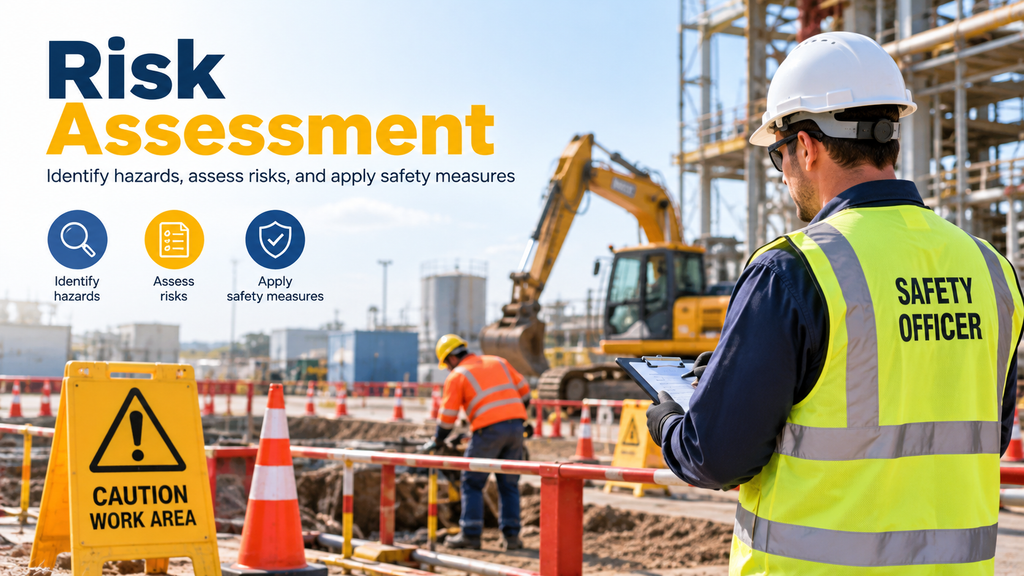
1. Risk Assessment:
Risk assessment is the first step in managing workplace changes. It helps identify possible dangers and find ways to control them.
Identify Hazards: Before starting any work, check the area for possible dangers, such as falling objects, electrical hazards, or moving machinery.
Assess the Risks: Understand how serious each hazard could be and who might be affected. This helps decide which safety measures are needed.
Protect Vulnerable People: Give special attention to elderly people, children, visitors, and people with disabilities because they may need extra protection.
Apply Safety Measures: Take necessary precautions, such as using protective equipment, installing barriers, and following safe working procedures.
2. Communication and Co-operation:
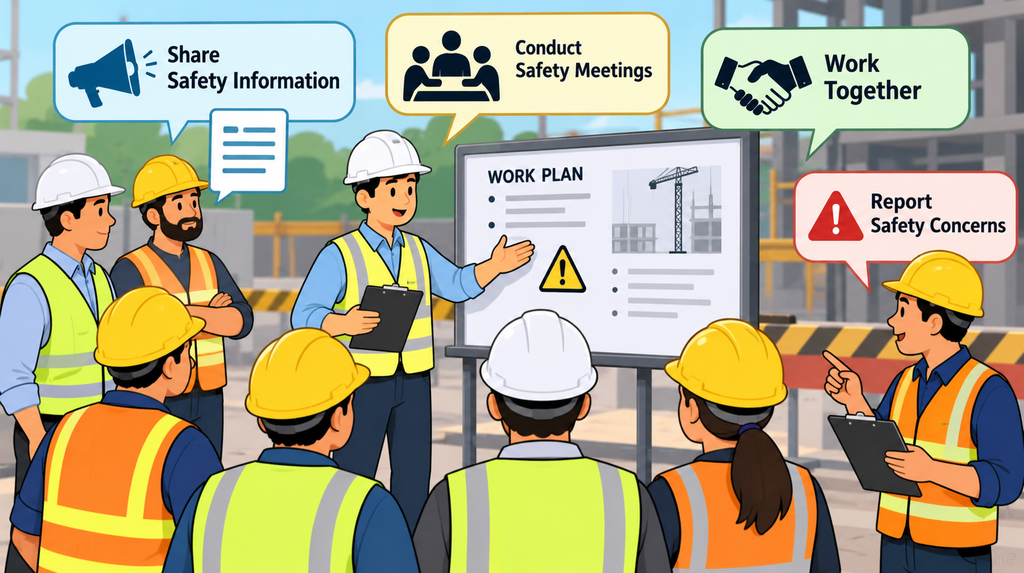
Good communication helps everyone understand workplace changes and the risks involved. Employers, workers, and contractors must work together to maintain safety.
Share Safety Information: Inform everyone about upcoming changes, possible hazards, and the precautions they need to follow.
Conduct Safety Meetings: Arrange meetings before starting work to discuss the work plan, possible risks, and safety responsibilities.
Work Together: Employers and contractors should cooperate to ensure their activities do not create dangers for other workers.
Report Safety Concerns: Encourage workers to report unsafe conditions immediately so problems can be corrected before accidents occur.
3. Appointment of Competent People:
Competent people are those who have the necessary training, knowledge, skills, and experience to perform their work safely.
Provide Proper Training: Workers should receive suitable training before using equipment or performing dangerous tasks.
Use Experienced Workers: Assign important or high-risk tasks to people who understand the work and its possible hazards.
Assign Responsibilities: Clearly explain each person’s duties so everyone knows what they are responsible for.
Provide Supervision: Supervisors should regularly check that workers are following safety procedures and using equipment correctly.
4. Segregation of Work Areas:
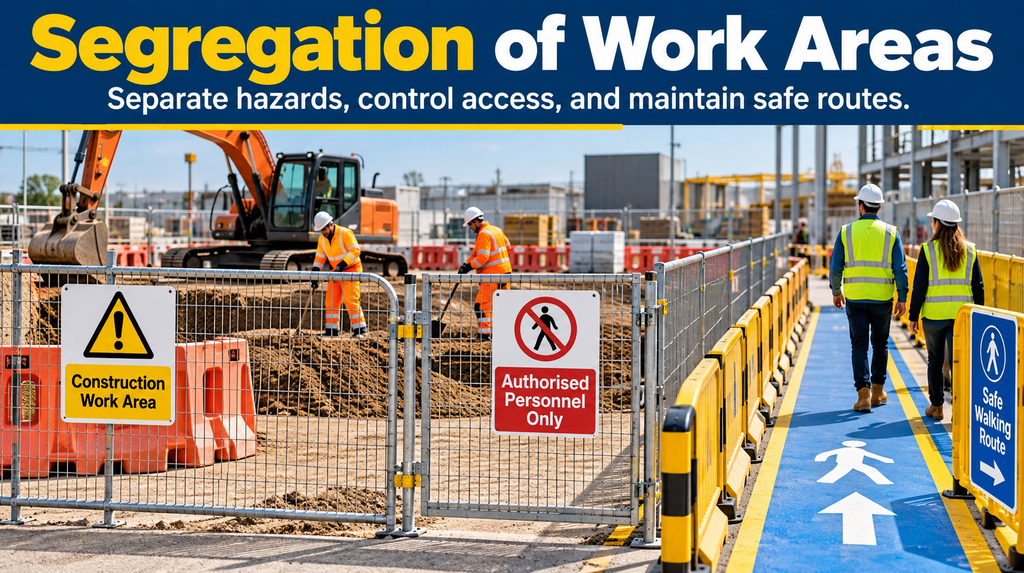
Segregation means separating dangerous work areas from normal workplace activities to prevent accidents and unauthorized entry.
Install Safety Barriers: Use fences, barriers, or temporary partitions to keep workers and visitors away from dangerous areas.
Display Warning Signs: Place clear signs near hazardous areas to inform people about possible dangers and safety requirements.
Control Access: Allow only authorized and trained people to enter areas where construction, maintenance, or other hazardous work is taking place.
Maintain Safe Routes: Provide separate and clearly marked walking paths so people can move safely without entering work areas.
5. Welfare Provision:
Proper welfare facilities are important for maintaining workers’ health, comfort, and safety during workplace changes.
Clean Drinking Water: Provide enough safe drinking water to keep workers hydrated, especially during hot weather.
Washing Facilities: Ensure workers have access to clean toilets, handwashing areas, and other necessary hygiene facilities.
Rest Areas: Provide suitable places where workers can take breaks, relax, and recover from physical work.
First Aid Facilities: Make first aid equipment and trained first aid personnel available so minor injuries can receive immediate attention.
Suitable Working Conditions: Ensure proper lighting, ventilation, and cleanliness to reduce discomfort and health risks.
6. Review and Monitoring:
Workplace safety must be checked regularly because new hazards may appear as work progresses.
Regular Safety Inspections: Inspect work areas, equipment, and safety arrangements to identify unsafe conditions.
Review Risk Assessments: Update risk assessments whenever new hazards appear or working conditions change significantly.
Check Safety Measures: Make sure barriers, warning signs, protective equipment, and other safety controls are working properly.
Take Corrective Action: Fix identified safety problems as soon as possible to prevent accidents and injuries.
Conclusion:
Managing workplace changes is essential for preventing accidents and protecting workers, visitors, and the public. Proper risk assessment, effective communication, competent workers, safe work areas, welfare facilities, and regular monitoring help create a safer and healthier workplace.