
Why Leaders and Experienced Professionals Rely on Common Sense for Hazard Identification
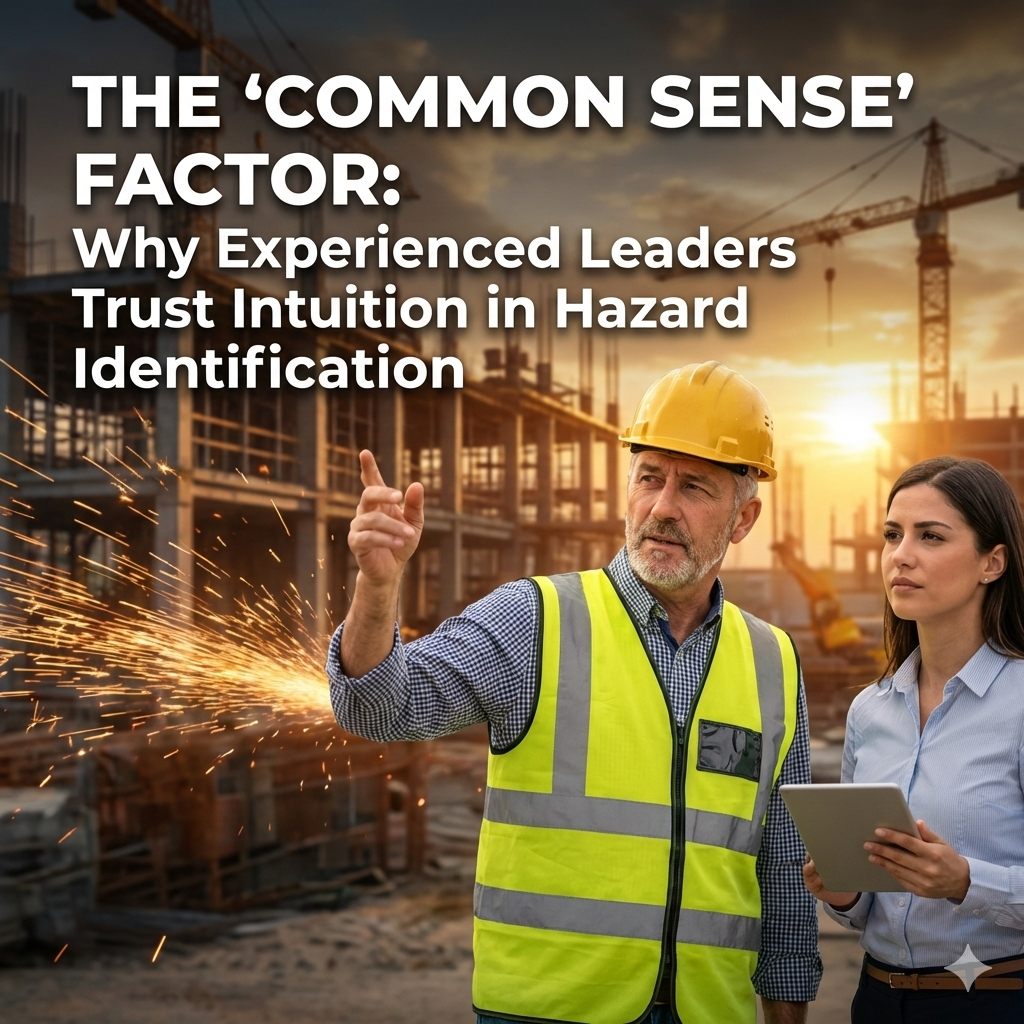
In workplace audits and inspections, experienced leaders often refer to something simple yet powerful — common sense.But common sense in safety is not casual thinking. It is developed situational awareness built through experience, observation, and risk perception.Senior professionals use their five senses effectively because they have trained their minds to recognize patterns, deviations, and unsafe […]
Workplace Lighting Standards: Ensuring Safety and Productivity
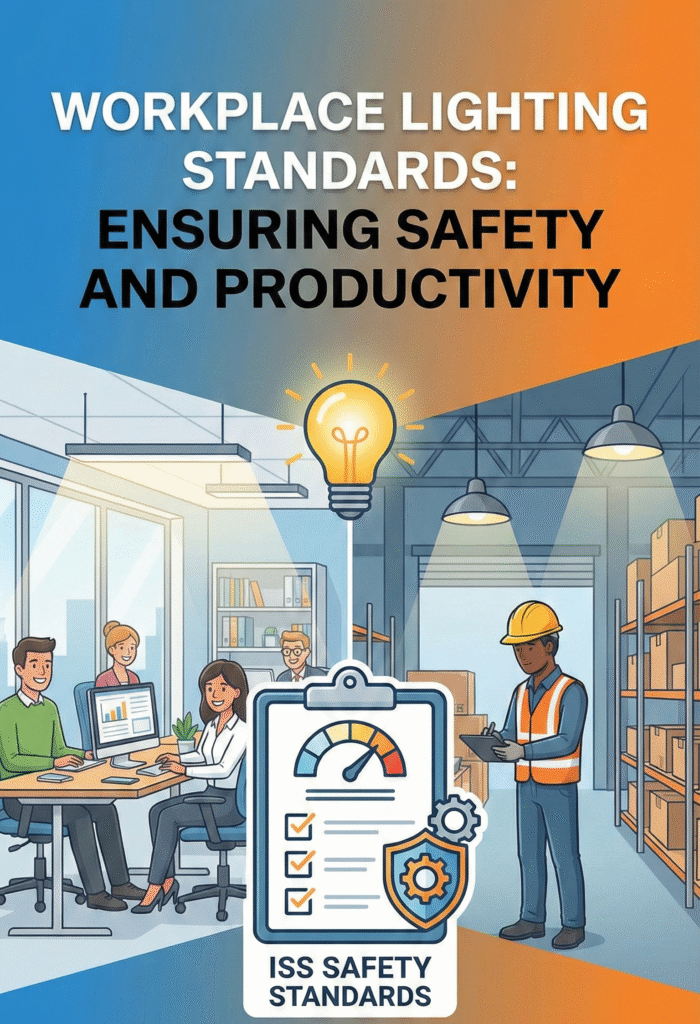
Proper lighting is a crucial yet often overlooked aspect of workplace health, safety, and productivity. Poor lighting can lead to accidents, visual fatigue, decreased efficiency, and long-term eye strain. NEBOSH IDIP Level 6 emphasizes lighting as part of the broader work environment management for occupational safety. Here’s what you need to know. 1️⃣ Importance of […]
Concrete Transit Mixer (CTM): Types, Working, Hazards, and Construction Safety Guide
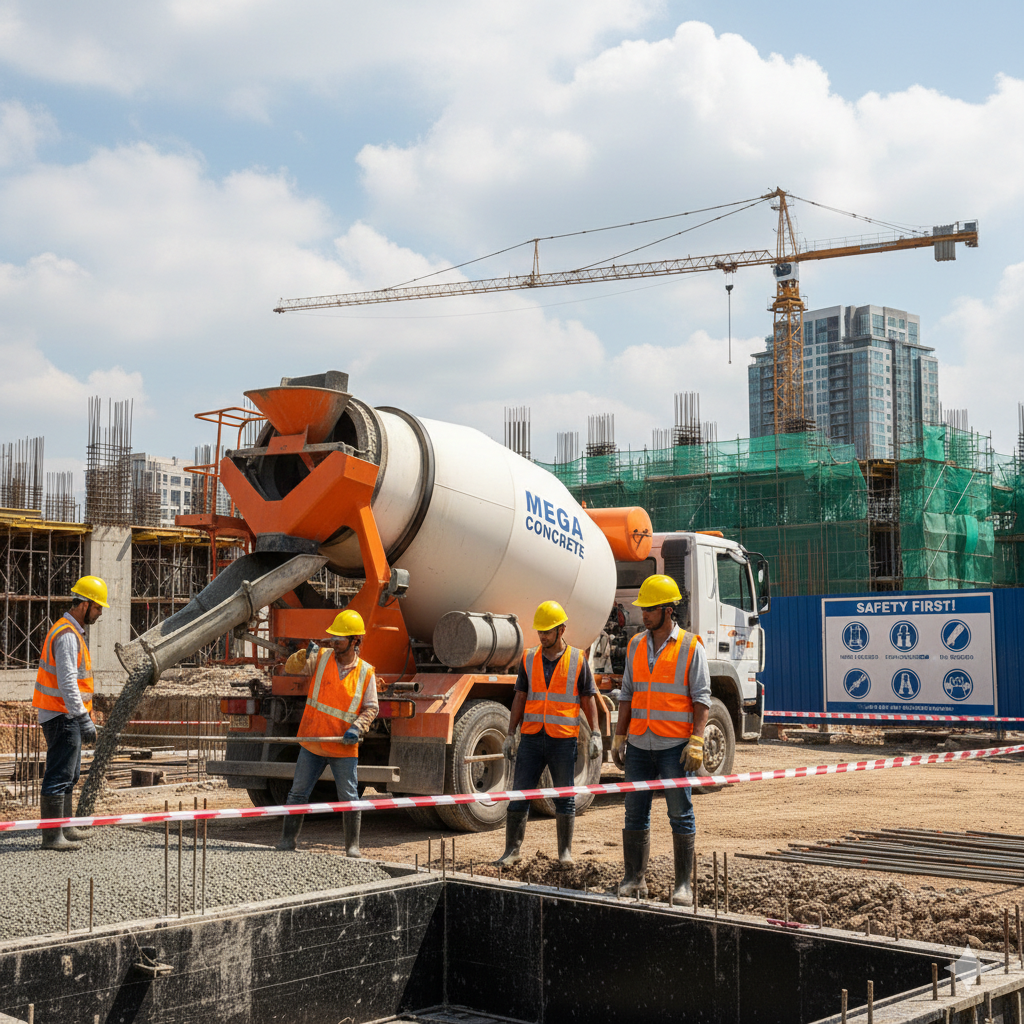
A Concrete Transit Mixer (CTM) is a specialized mobile vehicle designed to mix and transport ready-mix concrete from a batching plant to a construction site. The rotating drum ensures the concrete remains uniform, workable, and free from segregation or premature setting during transportation. CTMs play a critical role in maintaining construction quality, productivity, and schedule […]
Emergency Response Team Explained: How ERTs Save Lives, Reduce Losses, and Support ISO Compliance
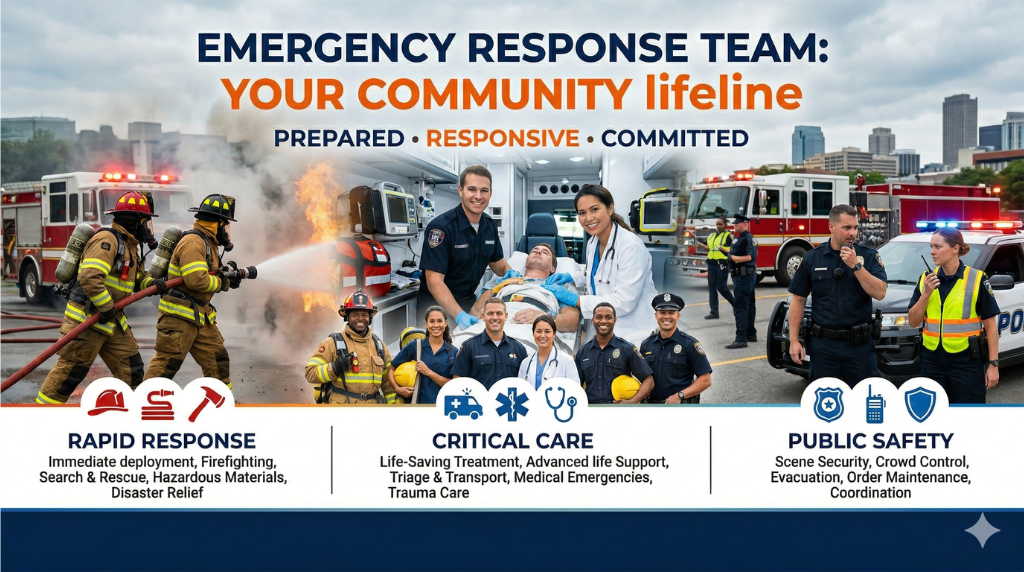
What Is an Emergency Response Team (ERT)? An Emergency Response Team (ERT) is a group of trained employees assigned specific roles to manage workplace emergencies until the situation is controlled or external emergency services arrive. The ERT operates under a defined Emergency Response Plan (ERP) and follows recognized safety and legal standards. Its primary objective […]
Swiss Cheese Model in Safety Management: Invention, Purpose, and Role in Audit Gap Analysis
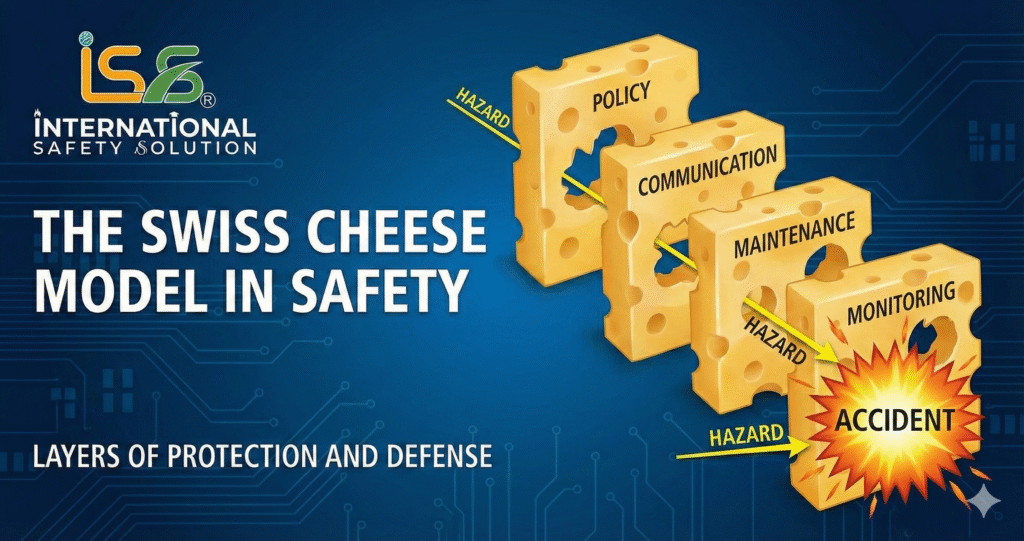
In high-risk industries such as oil and gas, construction, aviation, healthcare, and manufacturing, accidents rarely occur due to a single mistake. Most major incidents are the result of multiple system failures occurring simultaneously. The Swiss Cheese Model is one of the most widely accepted safety management models used globally to explain this reality and support […]
Safety Triangle (Heinrich’s Theory): How Unsafe Acts Lead to Serious Workplace Accidents
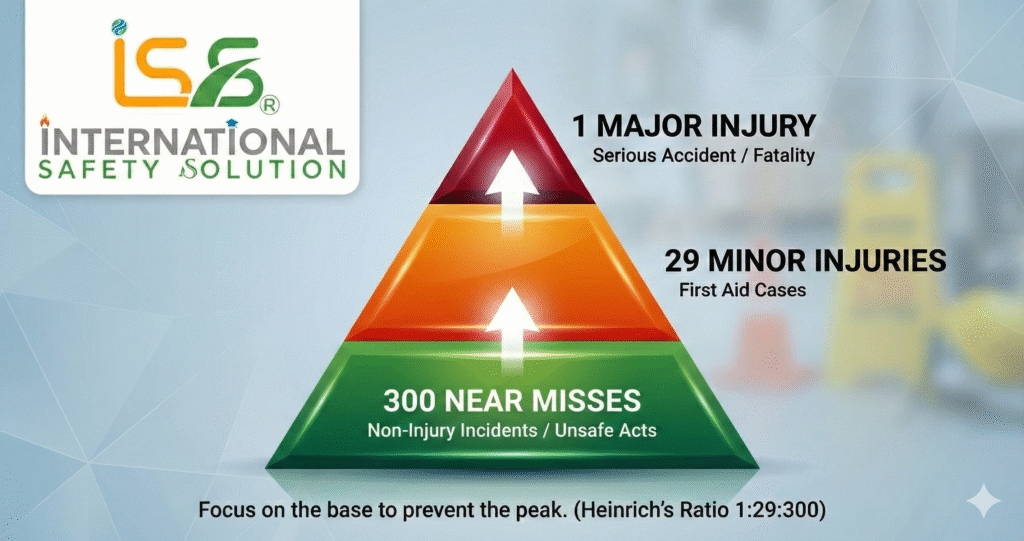
The Safety Triangle, also known as the Safety Pyramid, remains one of the most influential theories in occupational health and safety. Developed by American industrial safety pioneer Herbert William Heinrich, the model explains how serious workplace accidents are rarely sudden events. Instead, they are the final outcome of repeated unsafe acts, unsafe conditions, and ignored […]
The Gul Plaza Tragedy: Karachi Fire Exposes Deadly Gaps in Building Safety and Fire Prevention
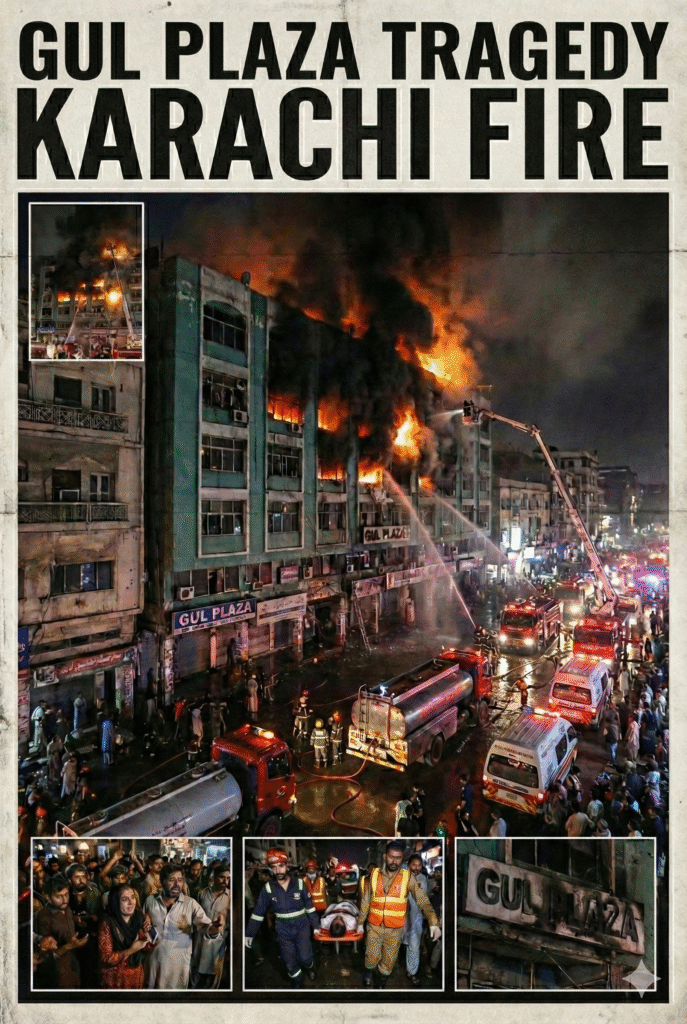
Karachi’s Gul Plaza Inferno: Human Loss, Economic Ruin, and a Wake-Up Call on Safety The Gul Plaza Tragedy: A Nation in Sorrow On the night of 17–18 January 2026, a catastrophic fire erupted at Gul Plaza, a bustling multi-story shopping centre on M.A. Jinnah Road in Karachi, Pakistan’s largest city and economic heart. What began […]
Maintenance of Machines and Workplace
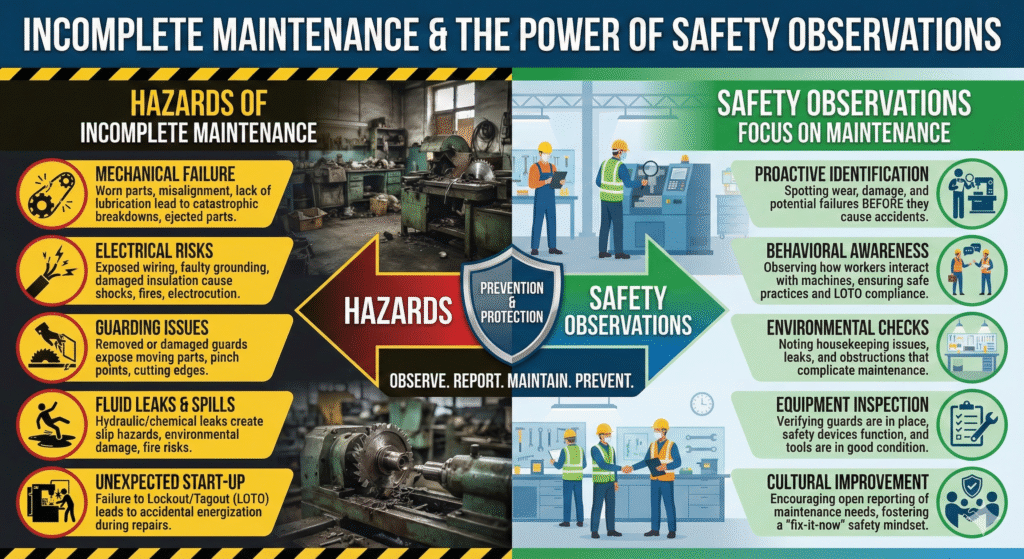
How Incomplete Maintenance Creates Hazards and Why Safety Observations Focus on Maintenance Maintenance is meant to remove danger, but in many workplaces, hazards are created because maintenance is incomplete, rushed, or poorly controlled. This is the primary reason why safety departments raise a large number of safety observations against maintenance-related activities. This issue is not […]
HSE Safety Culture Maturity Model: Levels, Meaning, and Industry Implementation
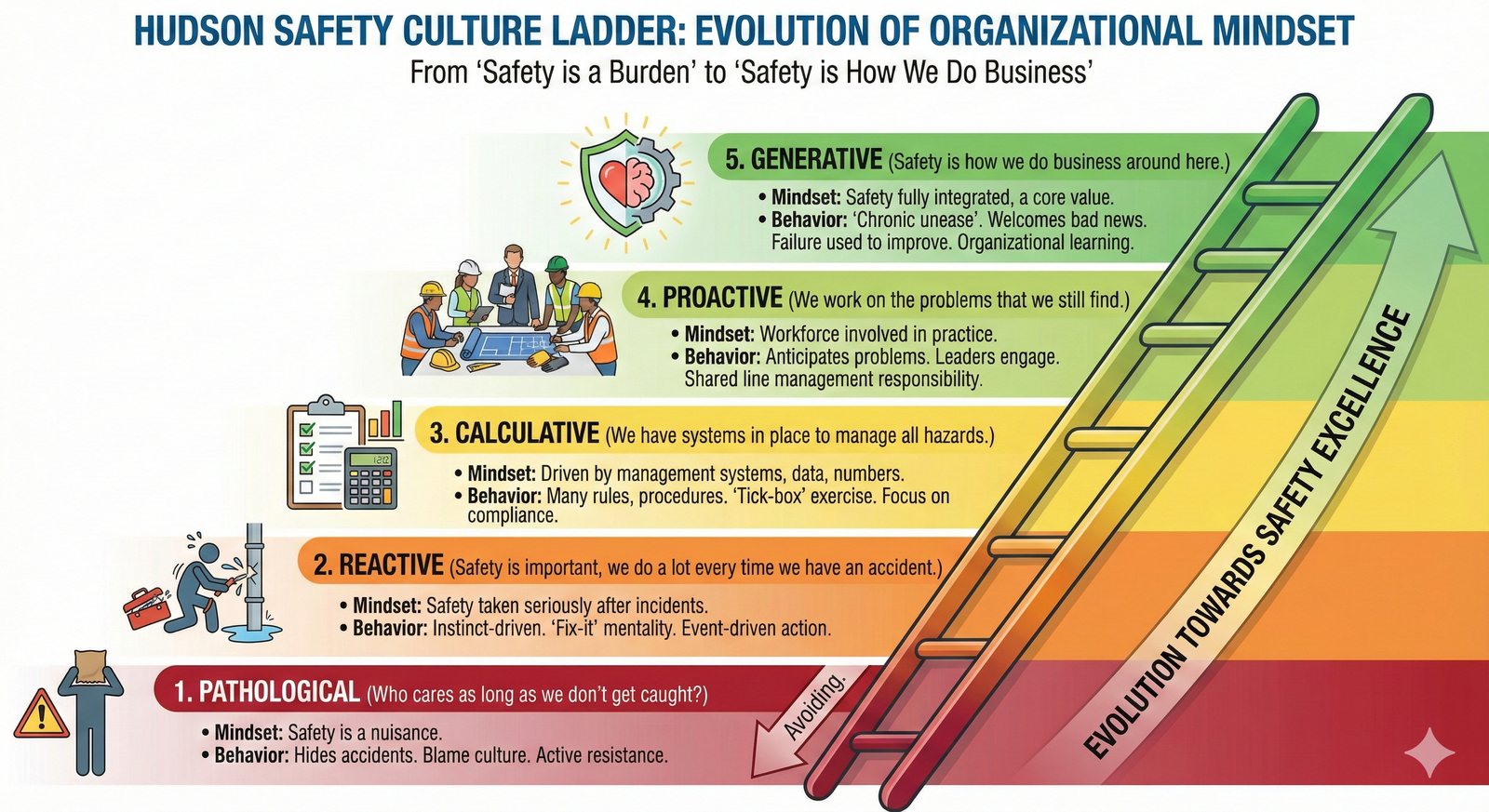
Introduction Safety Culture Maturity describes how deeply health, safety, and environmental (HSE) values are embedded into an organization’s daily operations, leadership decisions, and workforce behavior. HSE Safety Culture Maturity Models provide a structured roadmap that helps organizations move from basic legal compliance to a proactive and continuously improving safety culture. These models are widely used […]
Flash Point Explained: Meaning, Examples, and Why It Matters in Fire Safety
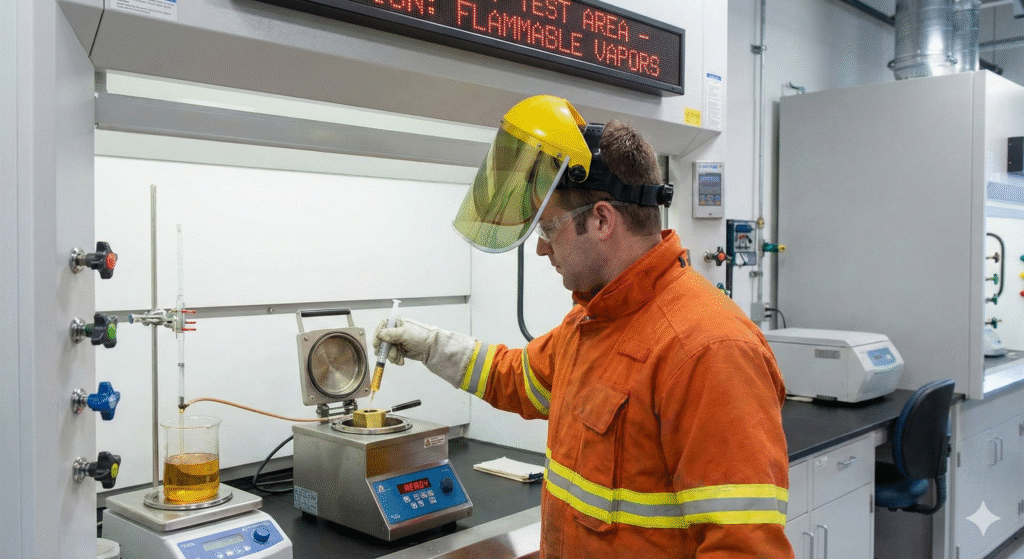
What Is Flash Point? Flash point is the lowest temperature at which a liquid produces enough vapor to ignite briefly when an external flame or spark is applied. In simple terms, it is the temperature at which a liquid becomes “fire-ready” for a moment. At the flash point: This is why flash point is different […]