
Overhead Power Line Safety: Minimum Clearance Distance Chart for Worksites
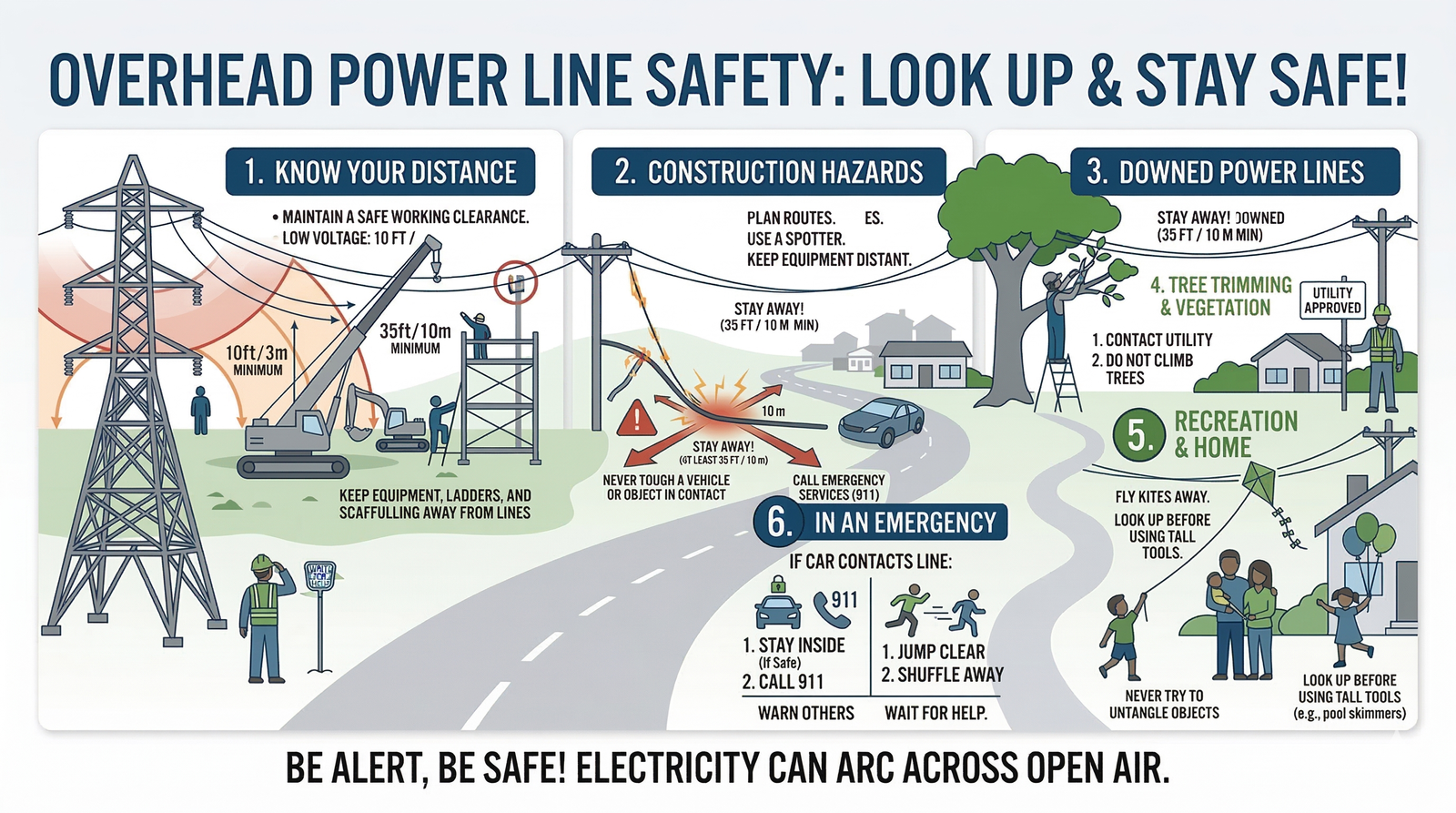
Essential Guidance for Construction & Industrial Worksites Overhead power lines are one of the most dangerous hazards on construction sites, warehouses, factories, and maintenance areas. Contact with energized lines can cause electrocution, severe burns, fires, equipment damage, or fatalities. Many serious incidents occur when workers operate cranes, dump trucks, scaffolding, ladders, or excavators near power […]
Excavation Safety Guide: Sloping, Benching, Shoring, and Shielding Explained
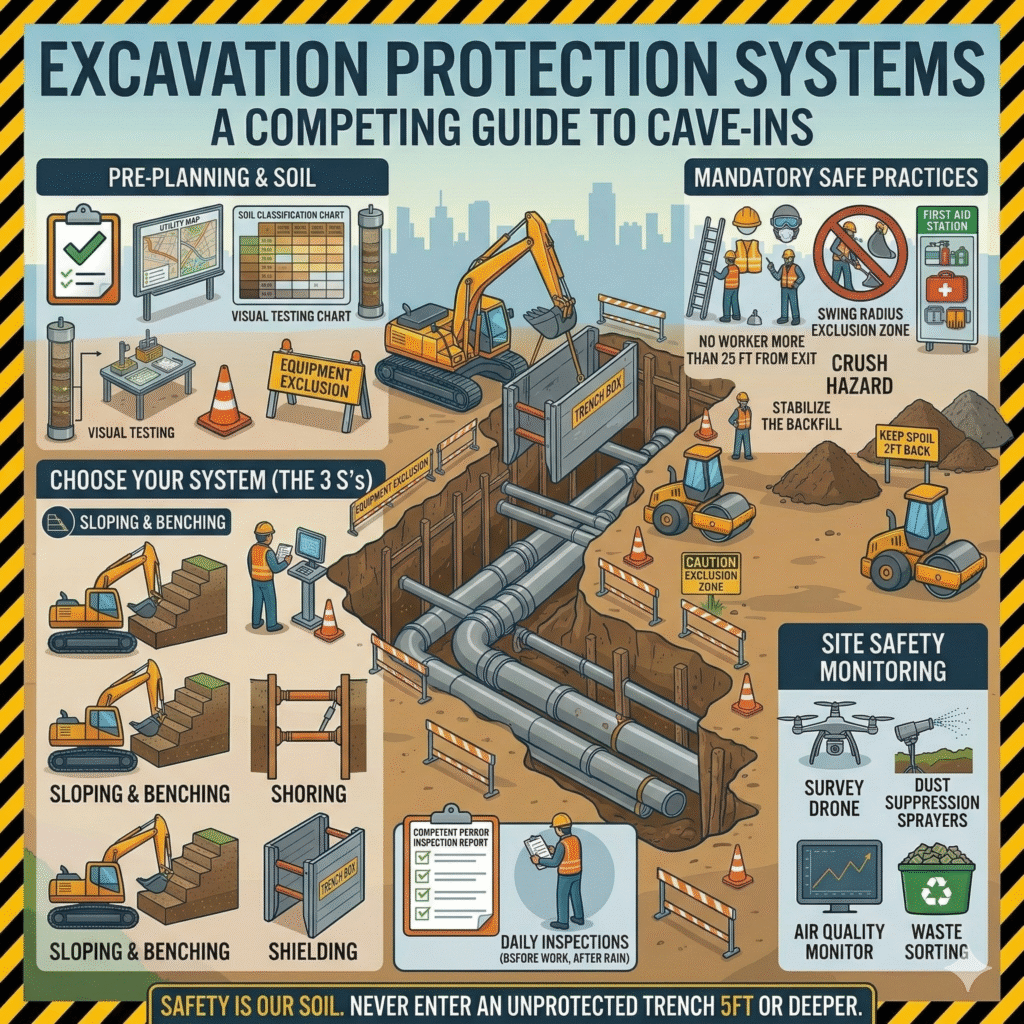
Excavation work creates serious hazards such as trench collapse, falling materials, and equipment accidents. Therefore, protective systems are used to prevent soil collapse and protect workers inside excavations or trenches. Safety authorities such as Occupational Safety and Health Administration recommend several protection methods for excavation work. Below are the main excavation protection systems used in […]
Backfilling in Construction: Major Hazards, Safety Risks, and Control Measures
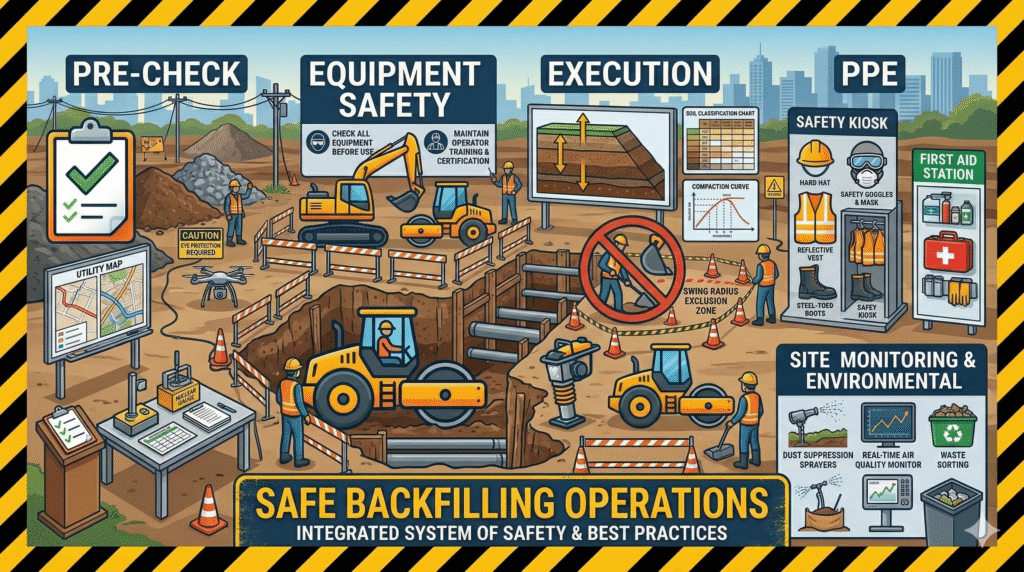
Backfilling is a common activity in construction that involves refilling soil or other suitable material into an excavation after completing work such as foundations, pipelines, or underground utilities. While backfilling helps restore ground level and support structures, it can also introduce several safety hazards if not managed properly. Effective planning and adherence to safety practices […]
What Is a Manual Hooter?
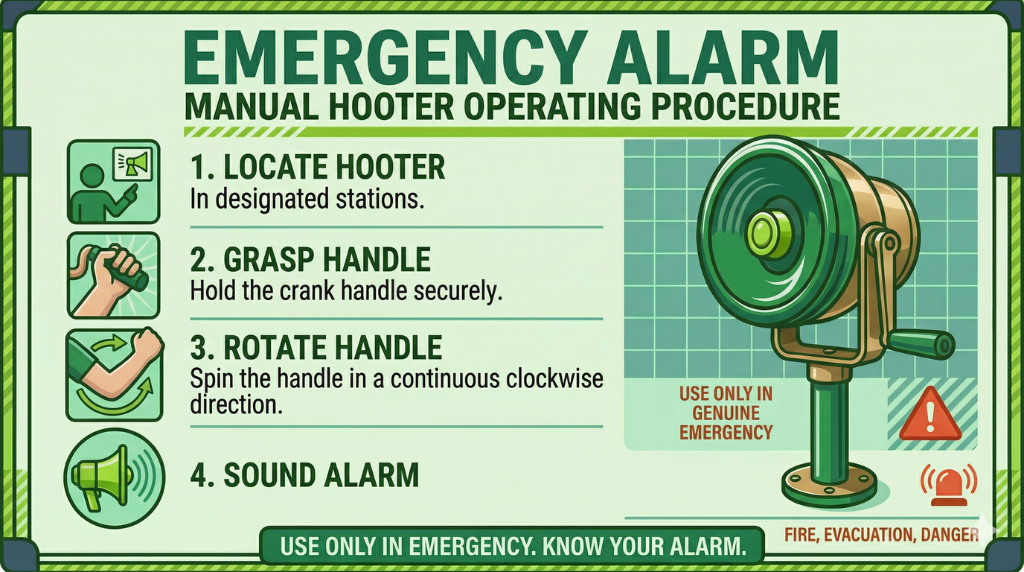
A manual hooter is an audible fire alarm notification device that produces a loud warning sound (typically 85–120 dB) to alert occupants during emergencies such as fire, gas leaks, or evacuation situations. In technical terms, it is part of a Fire Alarm System (FAS) and functions as an audible signaling appliance. It is commonly connected […]
What Is a UL Listed Product?
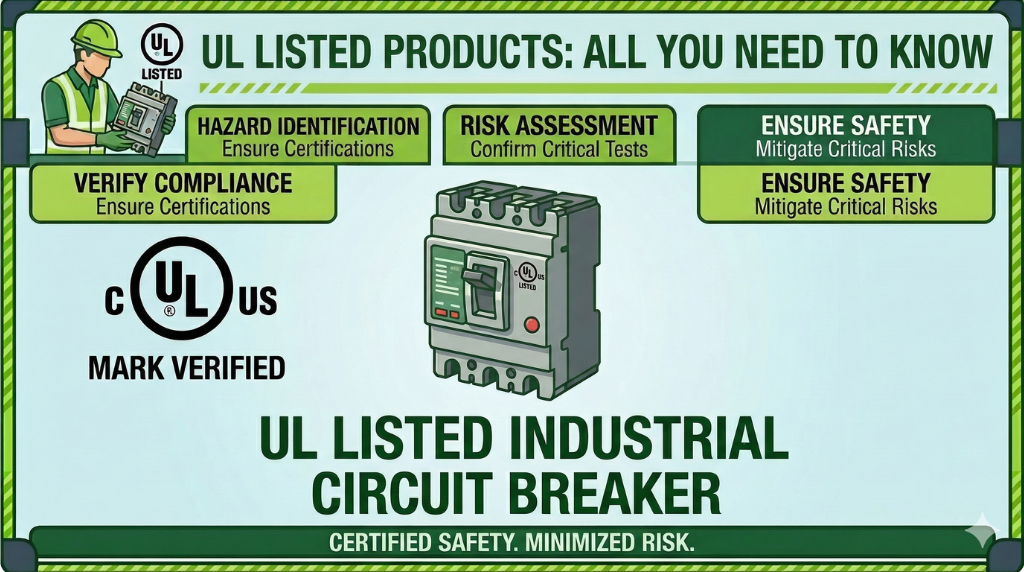
When a product is UL Listed: UL mark example:UL LISTED with a control number that can be verified in UL’s official Product iQ database. 🔎 What Does “UL Listed” Actually Mean? UL listing confirms: In fire protection, UL tests products under standards such as: 🏢 Why Companies Demand UL Listed Products 1️⃣ Legal Compliance Many […]
Fishbone Model for RCA – Case Application on Rana Plaza Collapse
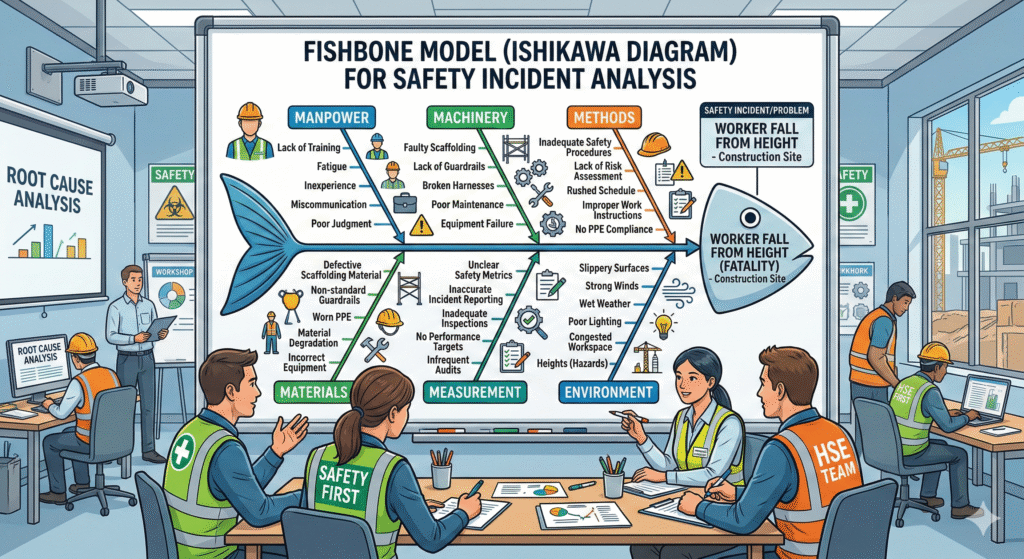
The Fishbone Diagram (also called Ishikawa Diagram or Cause-and-Effect Diagram) is a structured Root Cause Analysis (RCA) tool used to systematically identify, categorize, and analyze contributing factors of a failure event. In high-risk industries such as construction, manufacturing, and occupational safety, the Fishbone model prevents superficial conclusions and forces investigation into systemic weaknesses. The collapse […]
Why We Must Manage Health and Safety in the Workplace – Moral, Legal, and Financial Reasons
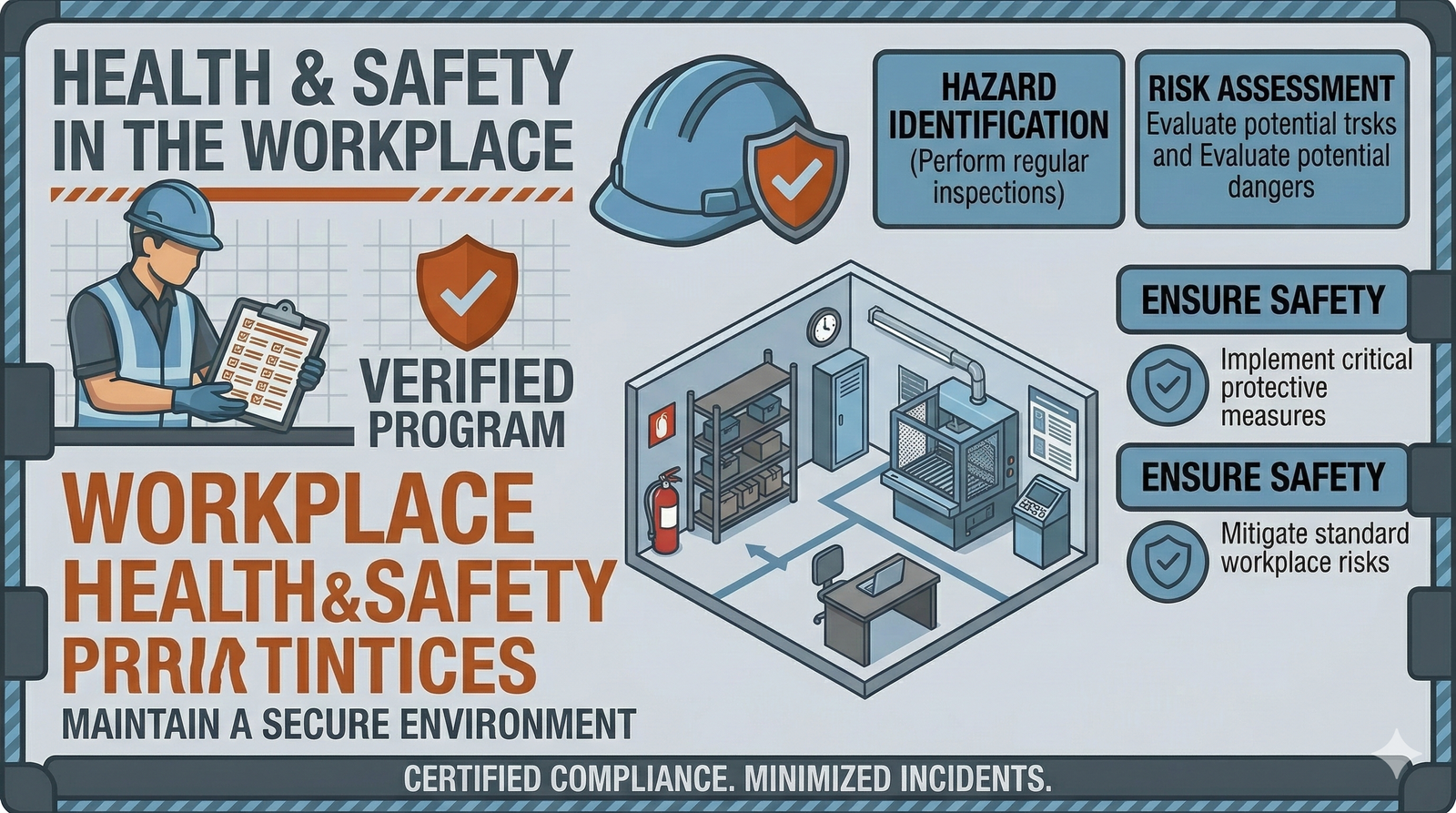
Managing Health, Safety, and Environment (HSE) is not optional — it is essential for every workplace. Proper HSE management protects workers, improves business performance, and ensures legal compliance. Here are the three major reasons to manage HSE effectively: 1️⃣ Moral Responsibility – Protecting Human Life ✅ ExplanationThe first and most important reason to manage HSE […]
Hazard Identification, Risk Assessment and Control (HIRAC) – Simple Guide to Workplace Safety
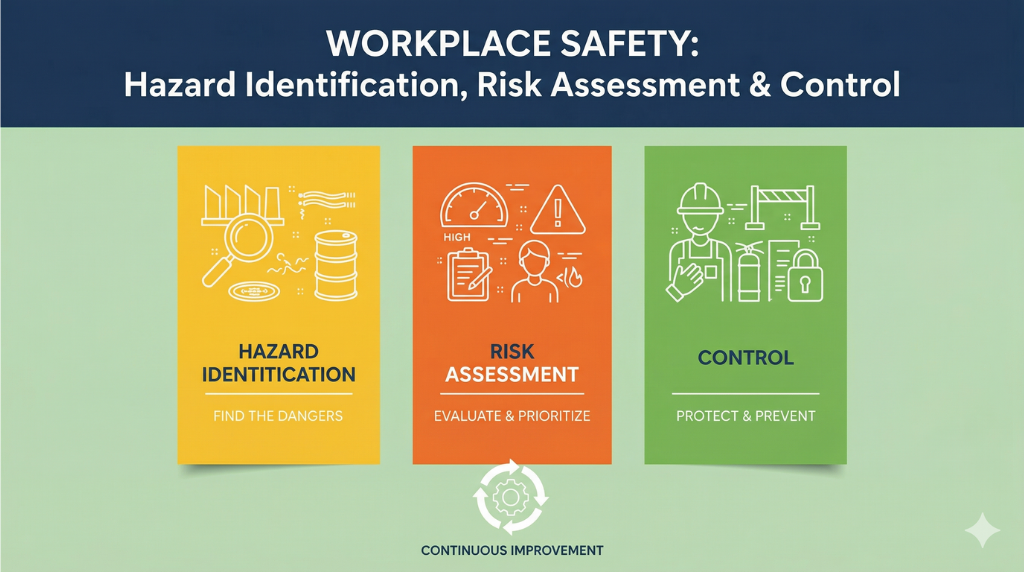
In Occupational Health, Safety, and Environment (HSE) practice, HIRAC is the backbone of workplace safety. It helps prevent incidents, near misses, and accidents by identifying hazards, assessing risks, and applying control measures systematically.This guide explains HIRAC in simple terms with practical examples, including the Hierarchy of Controls. 1️⃣ Hazard Identification (H)✅ Simple DefinitionHazard Identification is […]
Accidents, Incidents & Near Misses – What Every HSE Professional Must Know
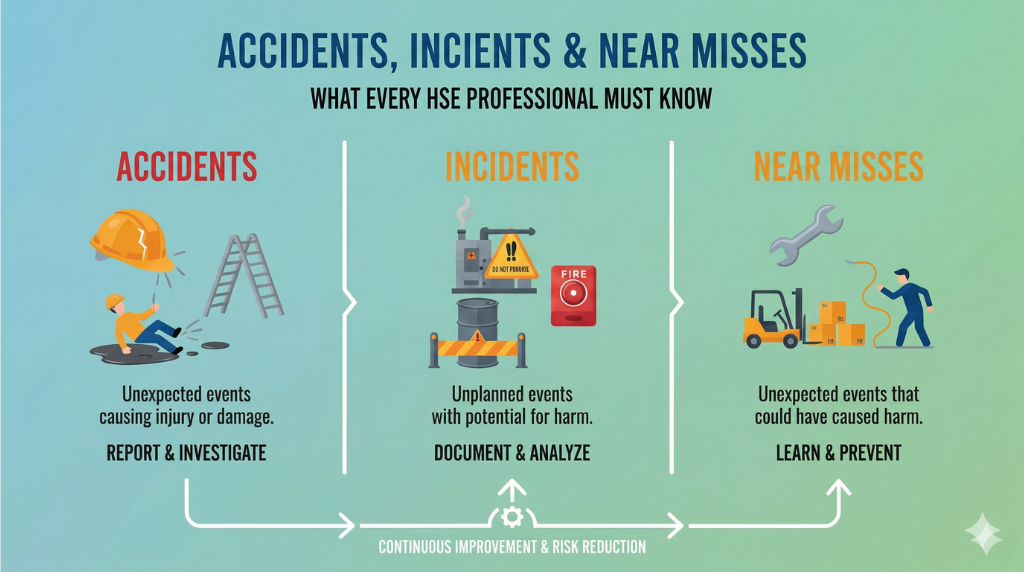
In Occupational Health, Safety and Environment (HSE) management, the terms incident, near miss, and accident are frequently used. Although they are related, they have distinct meanings in professional safety practice. Misunderstanding these terms can affect reporting, investigation, and preventive controls.This article explains each concept clearly, using technical terminology and practical examples. 1️⃣ What is an […]
Why Six-Side (360°) Observation Is Critical in Safety
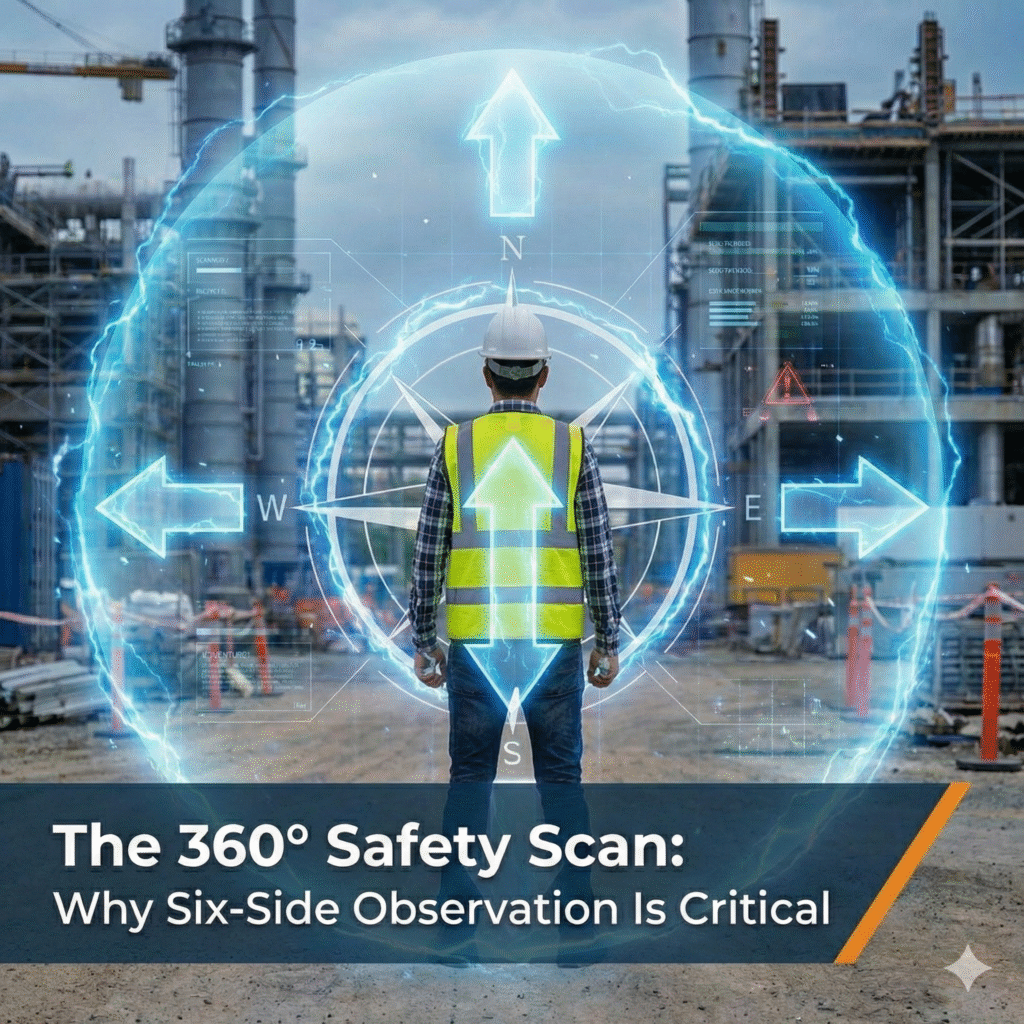
Many incidents happen because a worker or inspector focuses only on what is in front. Experienced HSE professionals are trained to scan all directions before declaring an area safe. 1️⃣ Front – Immediate Task Hazard This includes: Moving machinery Rotating parts Hot surfaces Chemical handling Vehicle movement Most people focus only here — which is […]