
Emergency Response Team Explained: How ERTs Save Lives, Reduce Losses, and Support ISO Compliance
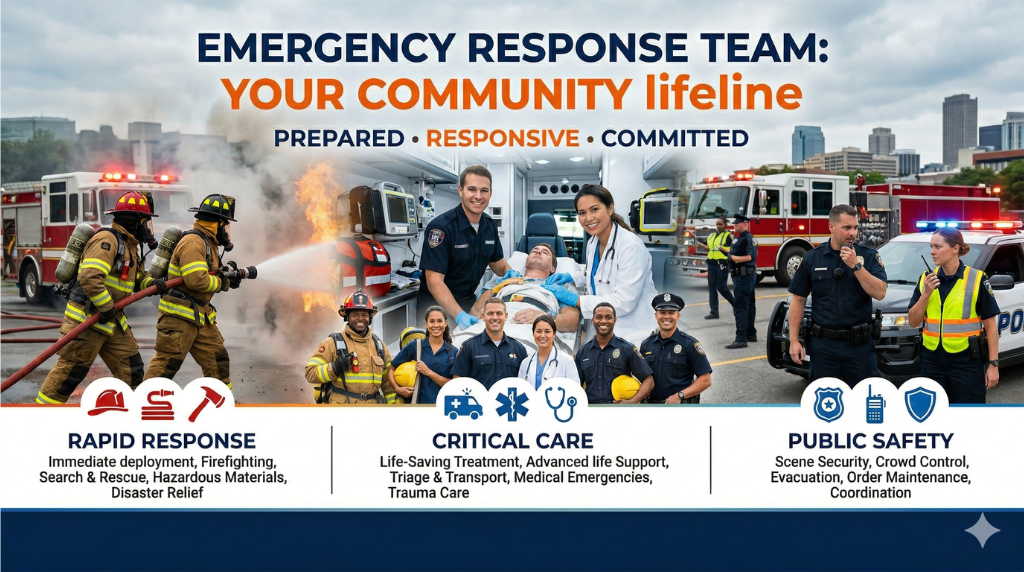
What Is an Emergency Response Team (ERT)? An Emergency Response Team (ERT) is a group of trained employees assigned specific roles to manage workplace emergencies until the situation is controlled or external emergency services arrive. The ERT operates under a defined Emergency Response Plan (ERP) and follows recognized safety and legal standards. Its primary objective […]
Safety Triangle (Heinrich’s Theory): How Unsafe Acts Lead to Serious Workplace Accidents
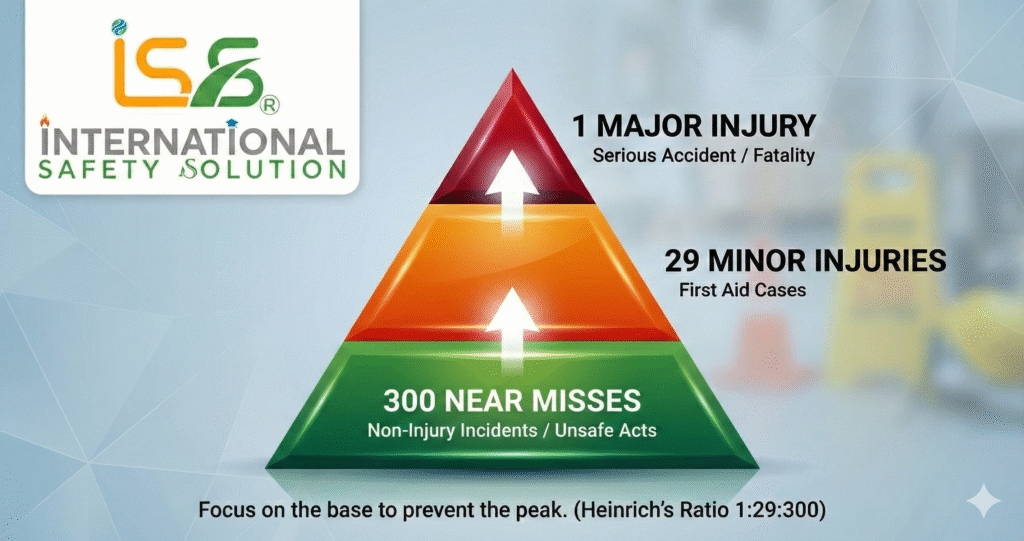
The Safety Triangle, also known as the Safety Pyramid, remains one of the most influential theories in occupational health and safety. Developed by American industrial safety pioneer Herbert William Heinrich, the model explains how serious workplace accidents are rarely sudden events. Instead, they are the final outcome of repeated unsafe acts, unsafe conditions, and ignored […]
Maintenance of Machines and Workplace
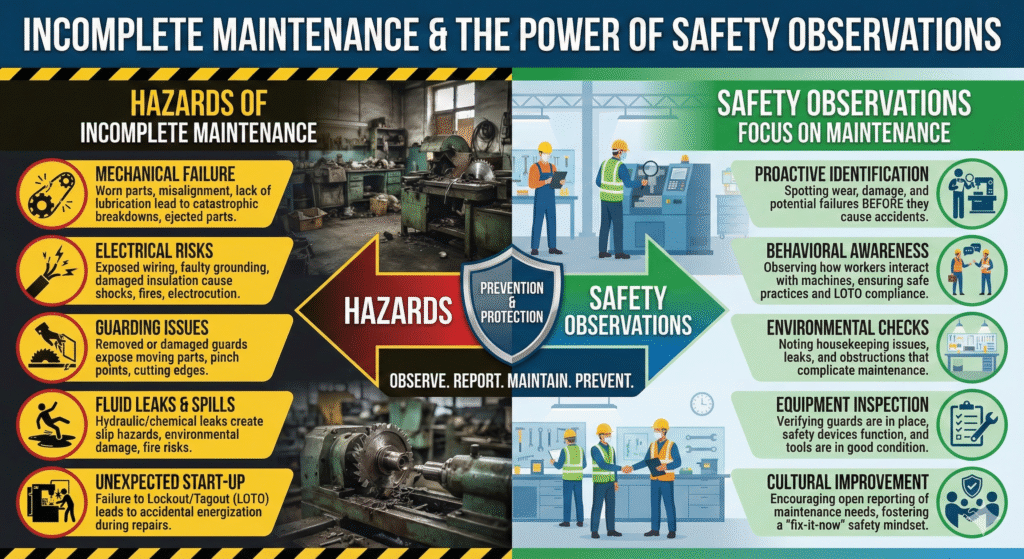
How Incomplete Maintenance Creates Hazards and Why Safety Observations Focus on Maintenance Maintenance is meant to remove danger, but in many workplaces, hazards are created because maintenance is incomplete, rushed, or poorly controlled. This is the primary reason why safety departments raise a large number of safety observations against maintenance-related activities. This issue is not […]
HSE Safety Culture Maturity Model: Levels, Meaning, and Industry Implementation
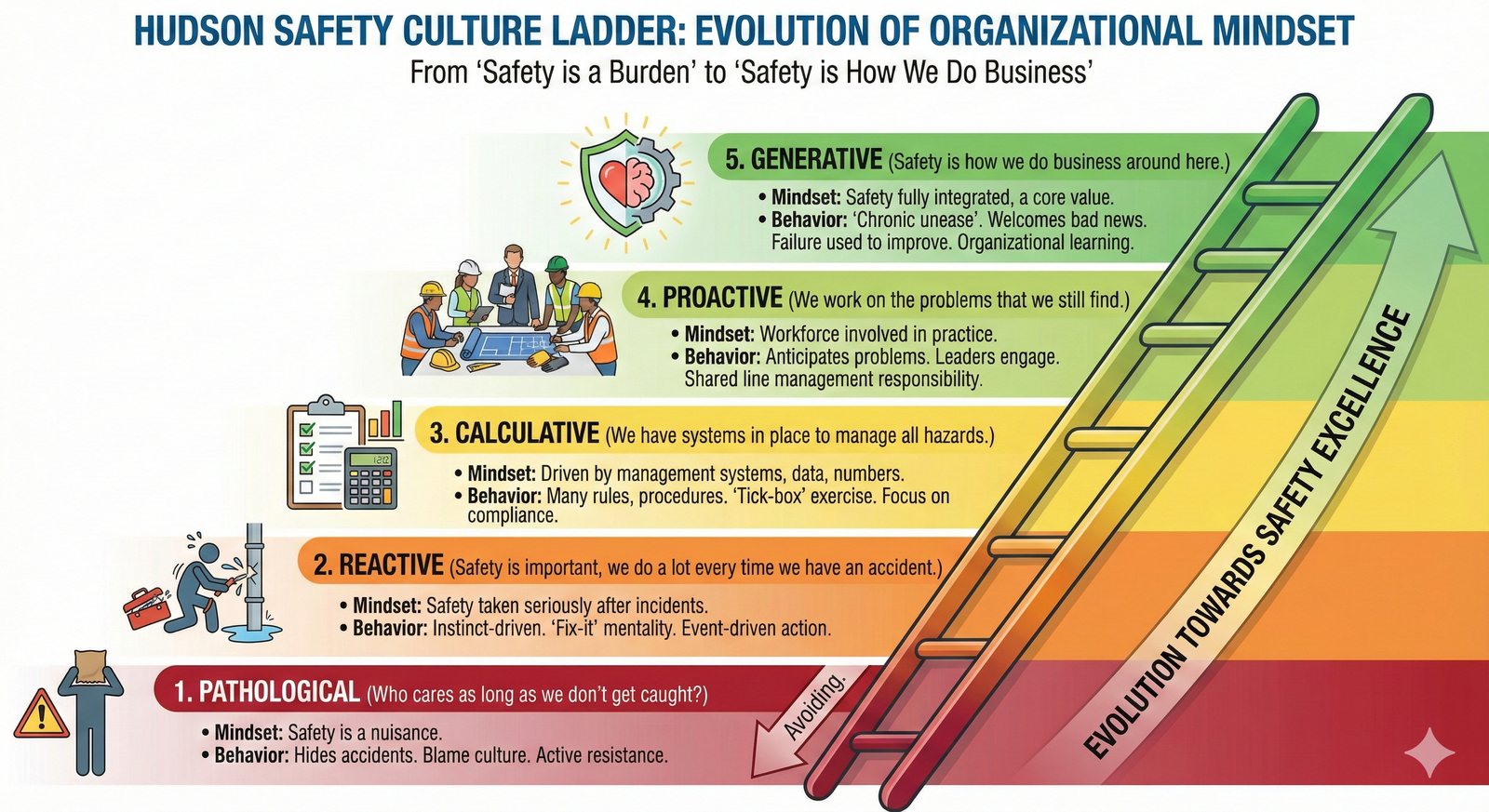
Introduction Safety Culture Maturity describes how deeply health, safety, and environmental (HSE) values are embedded into an organization’s daily operations, leadership decisions, and workforce behavior. HSE Safety Culture Maturity Models provide a structured roadmap that helps organizations move from basic legal compliance to a proactive and continuously improving safety culture. These models are widely used […]
Flash Point Explained: Meaning, Examples, and Why It Matters in Fire Safety
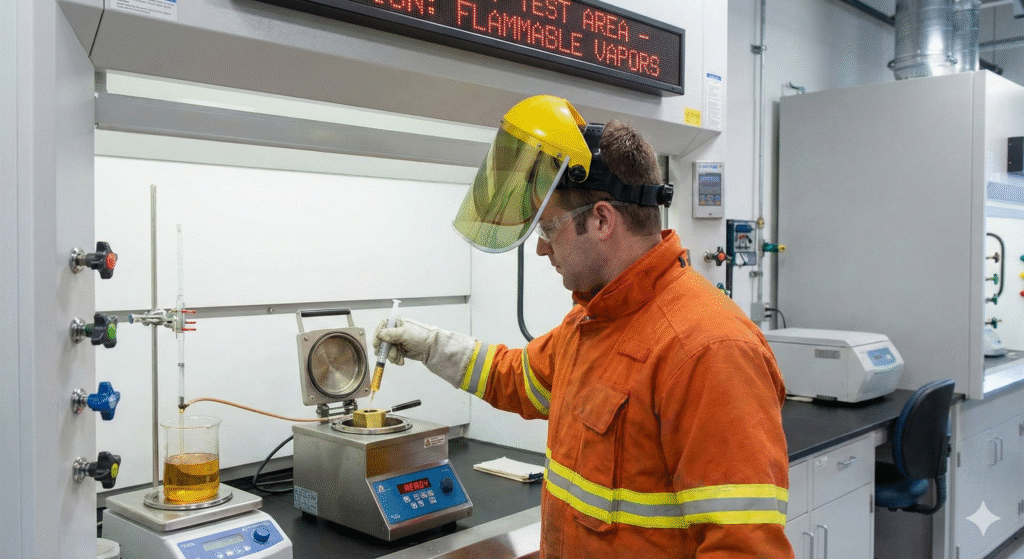
What Is Flash Point? Flash point is the lowest temperature at which a liquid produces enough vapor to ignite briefly when an external flame or spark is applied. In simple terms, it is the temperature at which a liquid becomes “fire-ready” for a moment. At the flash point: This is why flash point is different […]
Dust Pentagon Explained: Causes, Hazards, and Prevention of Combustible Dust Explosions
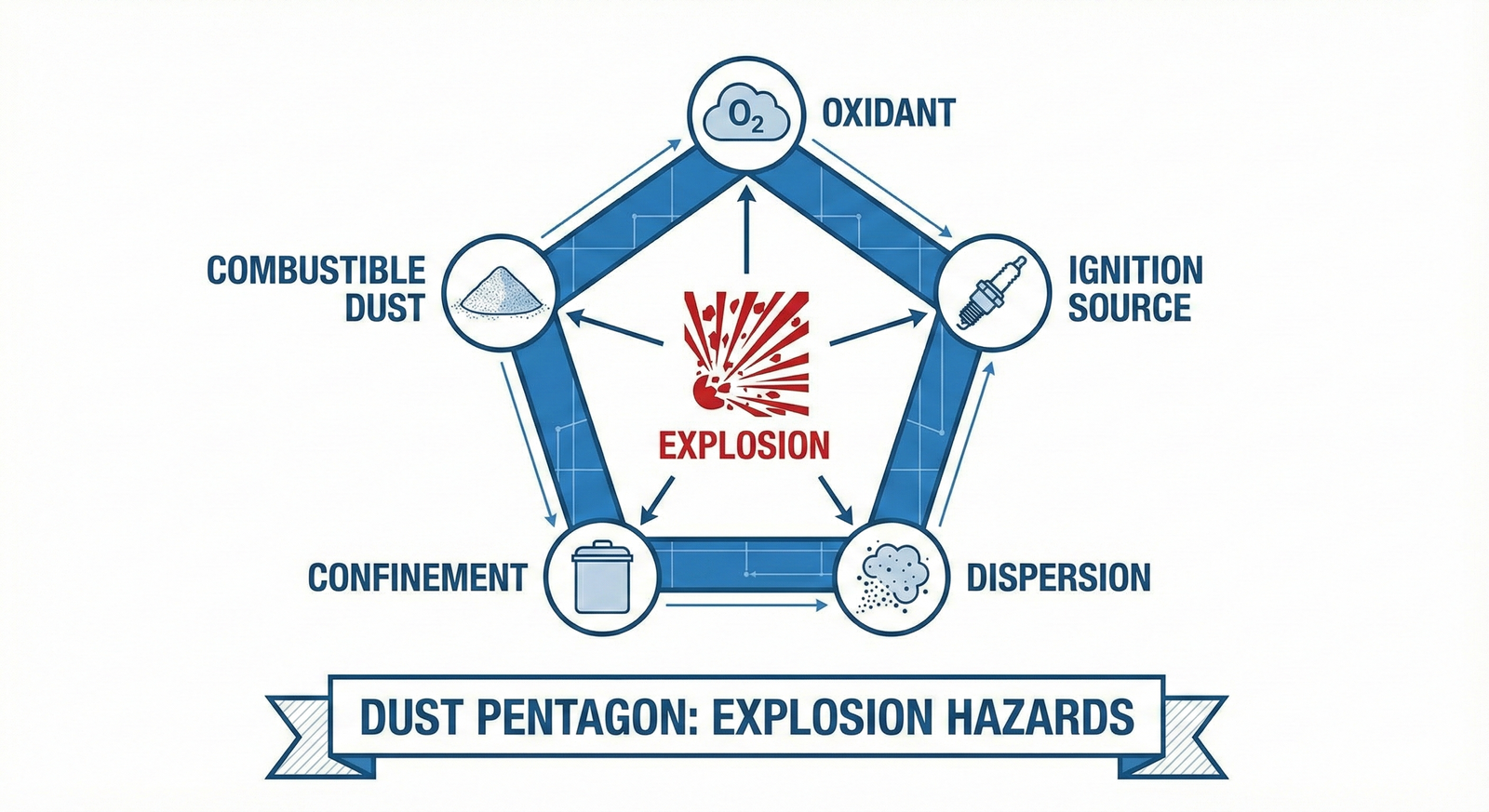
The Dust Pentagon is a recognized safety model used in process safety and fire protection engineering to explain the conditions required for a combustible dust explosion. It expands upon the traditional fire triangle by identifying two additional elements—dispersion and confinement—which are critical in transforming a dust fire into a violent explosion. This model is widely […]
Safe Storage of LPG Cylinders: Hazards, Major Incidents, and Fire Prevention Measures
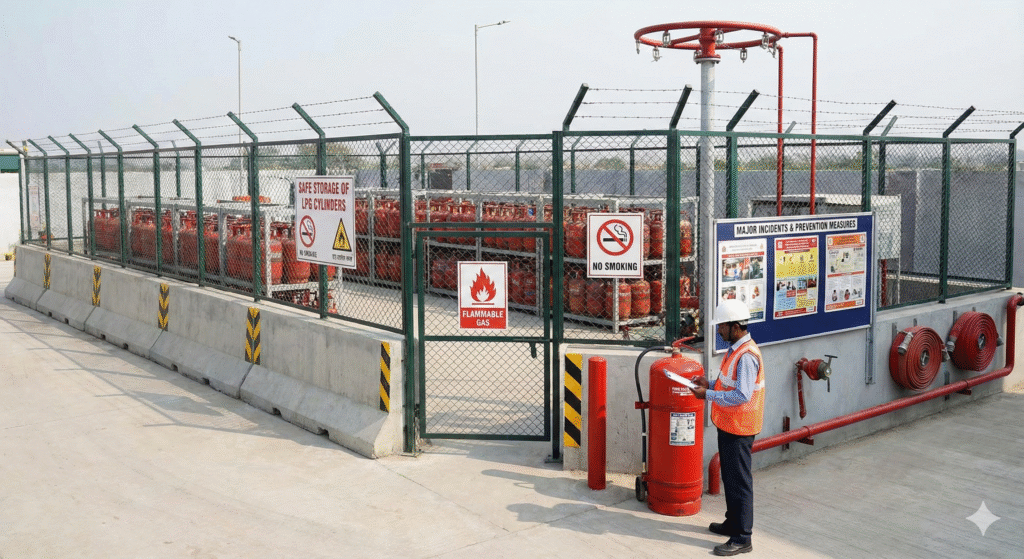
Introduction Liquefied Petroleum Gas (LPG) is widely used in domestic, commercial, and industrial applications due to its efficiency and portability. However, LPG is highly flammable, and when stored or handled incorrectly, it can lead to serious fires, explosions, fatalities, and major property losses. Many past accidents clearly show that poor storage practices are one of […]
Sandblasting Safety in Industry: Hazards, Controls, and Best Practices
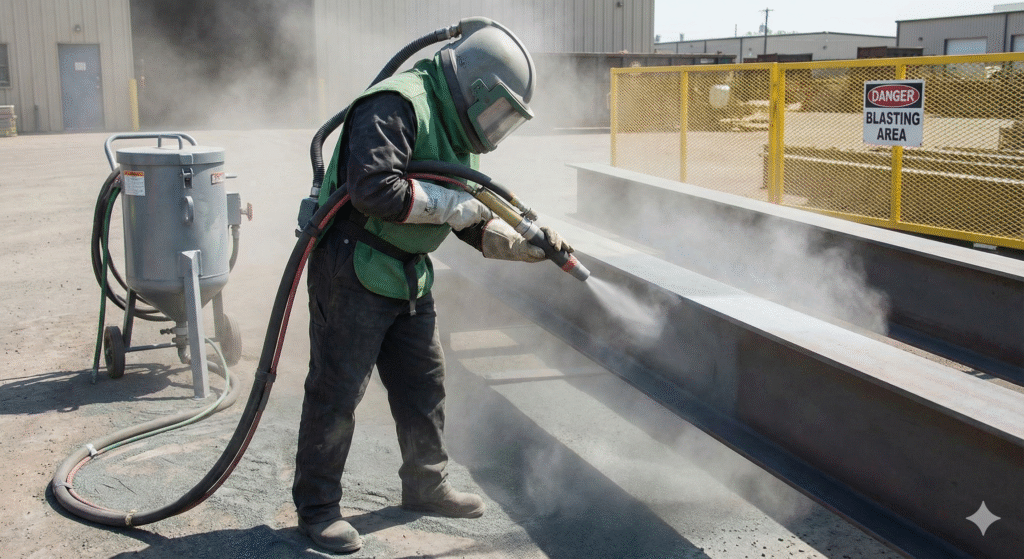
Sandblasting, also known as abrasive blasting, is a critical surface preparation process used in multiple industries. It involves forcibly propelling abrasive materials at high pressure to clean, smooth, roughen, or remove coatings such as rust, paint, oil, or scale. Modern practices often use safer abrasives like steel grit, garnet, or aluminum oxide instead of natural […]
Isolation in Safety: Life-Saving Practices for MEP and Industrial Plants
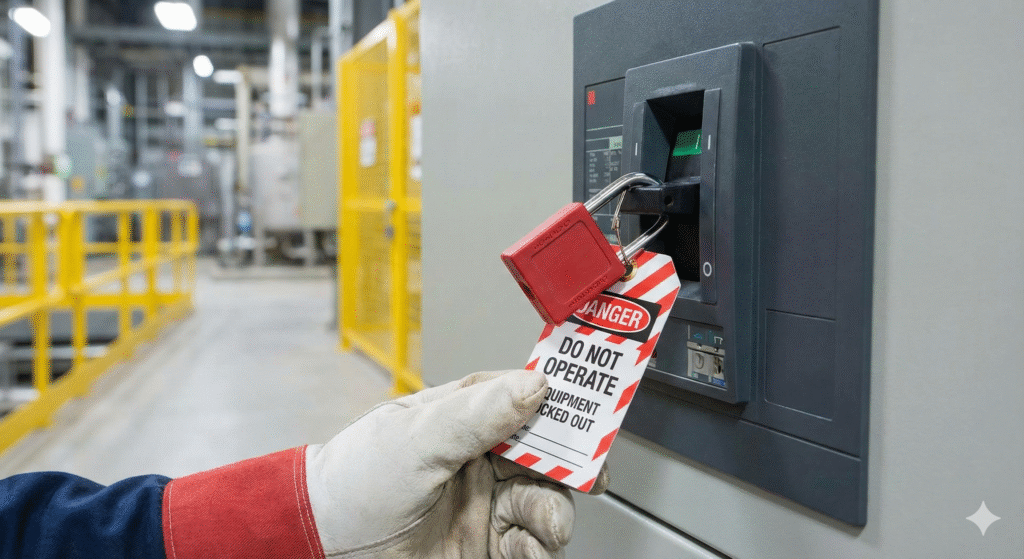
Isolation in safety is the process of separating workers from hazardous energy sources by physically disconnecting, blocking, locking, or neutralizing those sources before any work begins. Its purpose is to ensure no energy—electrical, mechanical, hydraulic, pneumatic, thermal, or chemical—can be released unexpectedly during maintenance, inspection, installation, or modification tasks. Isolation is particularly critical in MEP […]
Batch 160 Begins Soon at International Safety Solution | Registration Closing Soon
International Safety Solution (ISS) proudly announces the commencement of Batch 160, opening new opportunities for aspiring and working safety professionals to advance their careers through authentic, industry-focused practical training. As workplace safety standards continue to evolve globally, the demand for competent, hands-on safety professionals has never been higher. ISS remains committed to bridging the gap […]