
Waste Containers in Workplace Safety
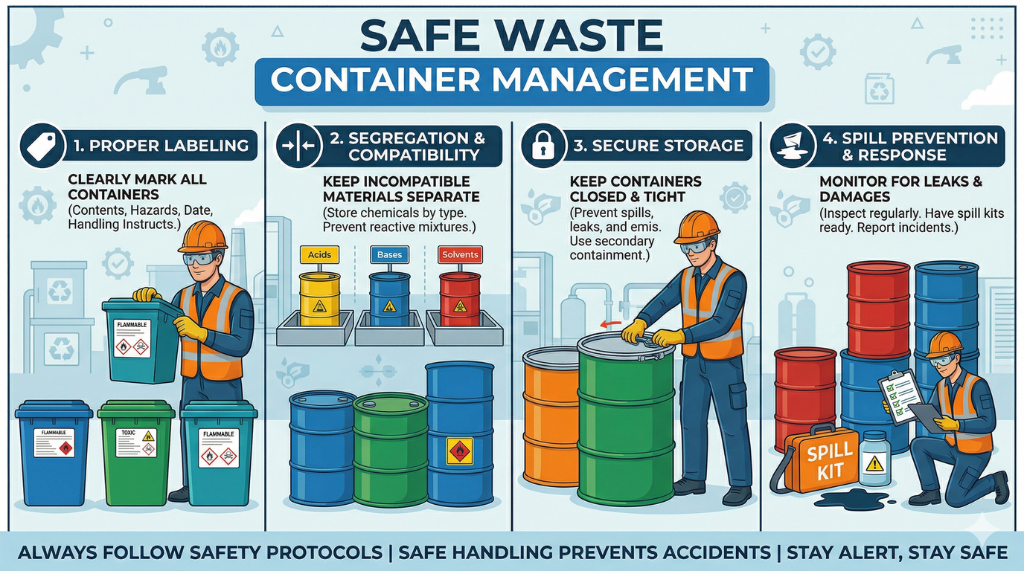
Maintaining Cleanliness, Color Coding, Standards & Safe Placement 1. Introduction A clean and organized workplace is a fundamental requirement of Occupational Health & Safety (HSE). Proper waste management—especially through the use of suitable waste containers—plays a critical role in preventing hazards, improving productivity, and ensuring regulatory compliance. Organizations following guidelines from the Occupational Safety and […]
Overhead Power Line Safety: Minimum Clearance Distance Chart for Worksites
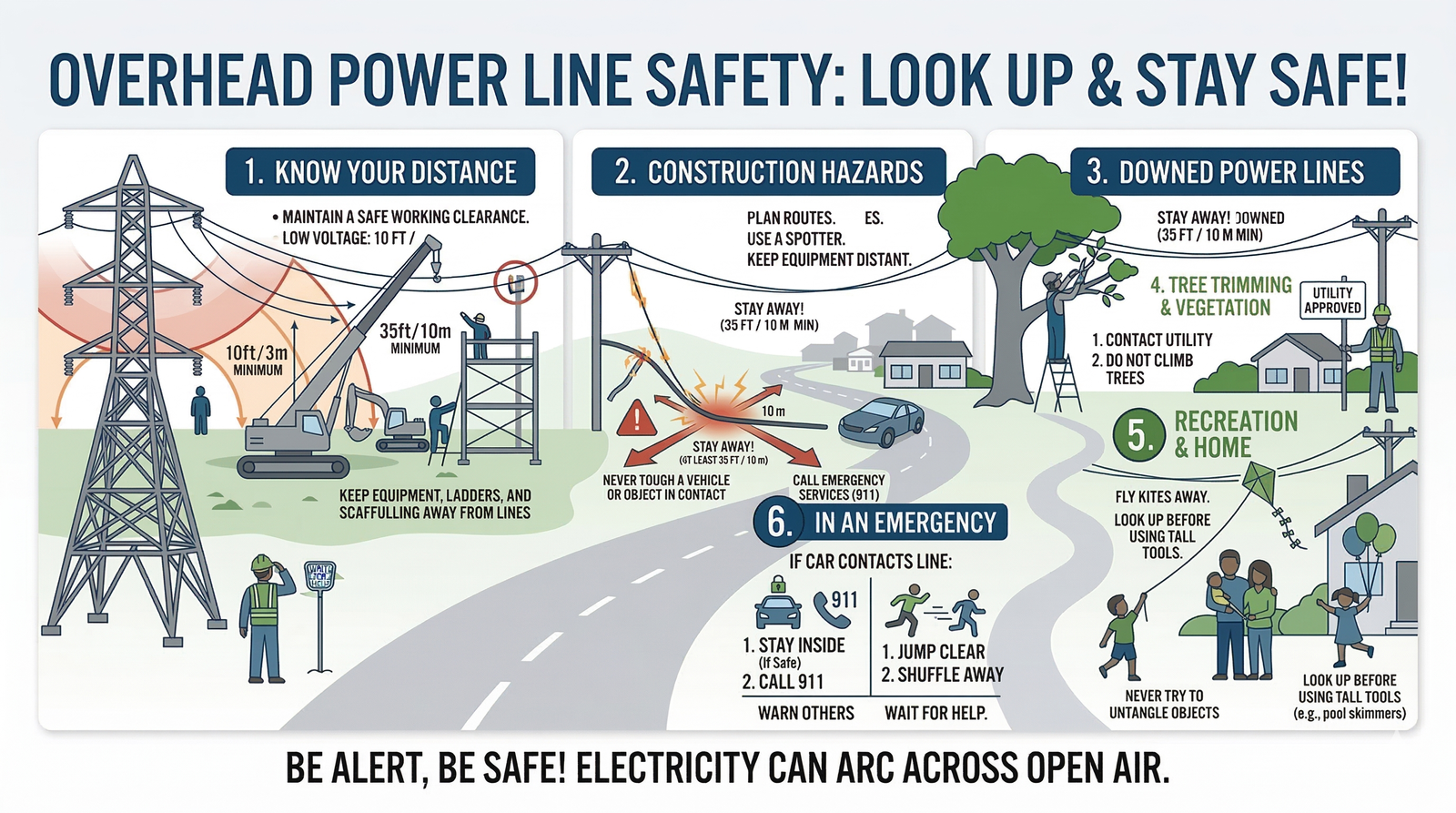
Essential Guidance for Construction & Industrial Worksites Overhead power lines are one of the most dangerous hazards on construction sites, warehouses, factories, and maintenance areas. Contact with energized lines can cause electrocution, severe burns, fires, equipment damage, or fatalities. Many serious incidents occur when workers operate cranes, dump trucks, scaffolding, ladders, or excavators near power […]
Excavation Safety Guide: Sloping, Benching, Shoring, and Shielding Explained
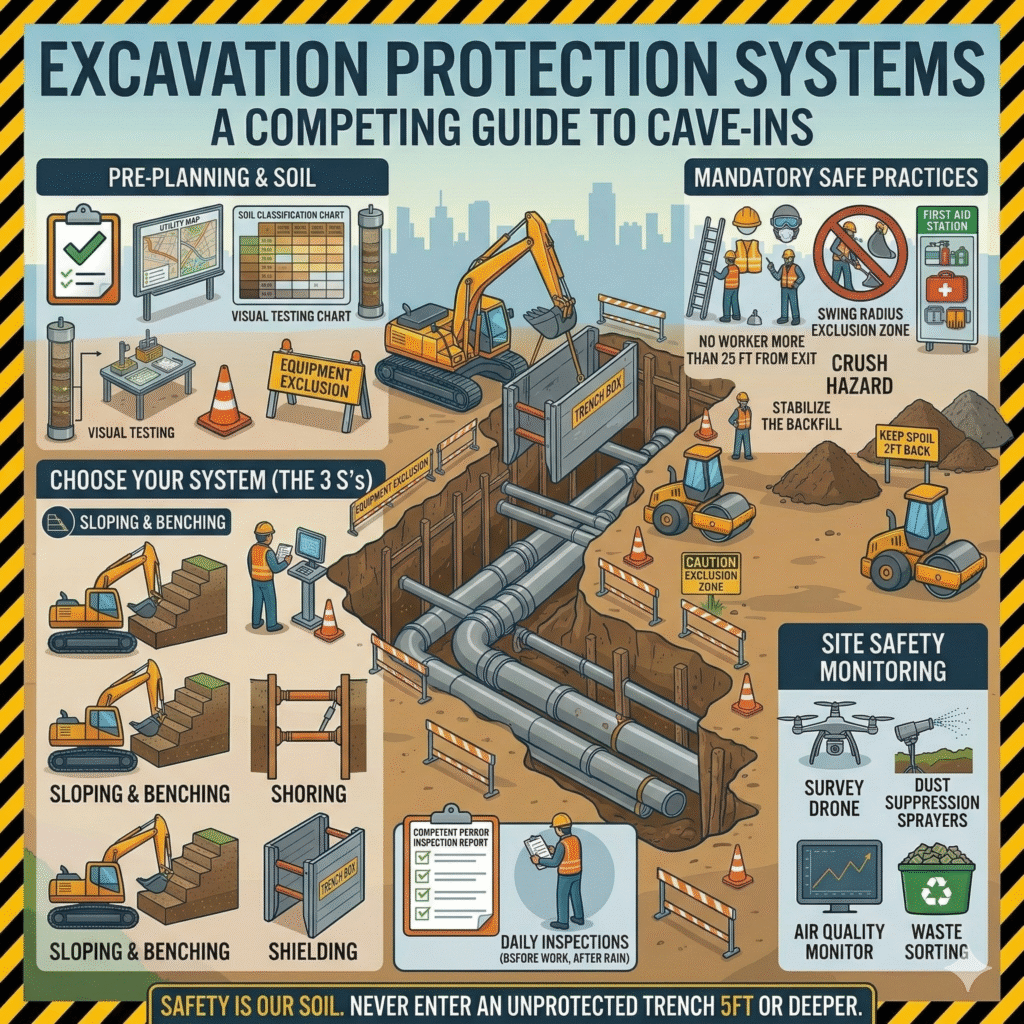
Excavation work creates serious hazards such as trench collapse, falling materials, and equipment accidents. Therefore, protective systems are used to prevent soil collapse and protect workers inside excavations or trenches. Safety authorities such as Occupational Safety and Health Administration recommend several protection methods for excavation work. Below are the main excavation protection systems used in […]
Backfilling in Construction: Major Hazards, Safety Risks, and Control Measures
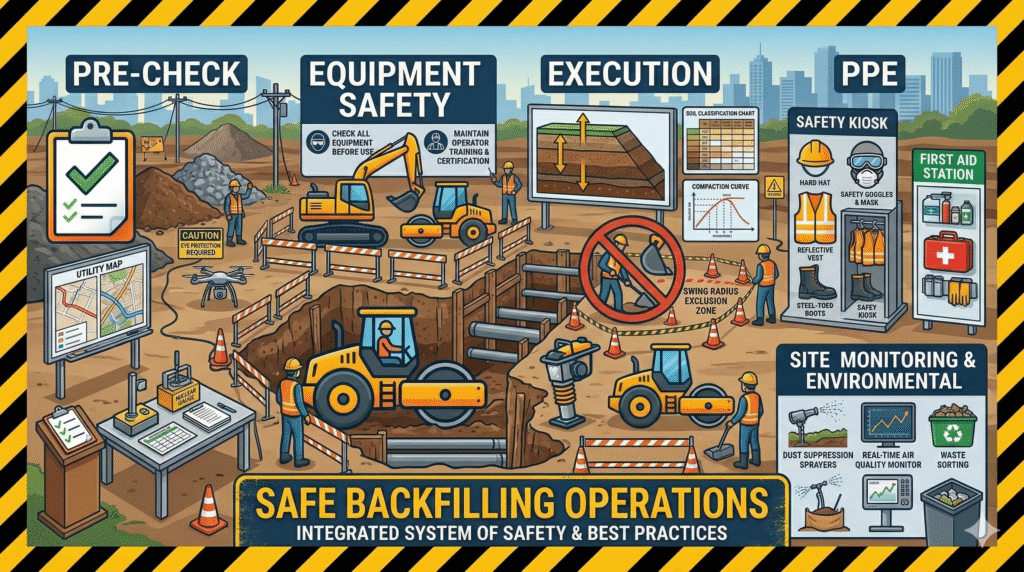
Backfilling is a common activity in construction that involves refilling soil or other suitable material into an excavation after completing work such as foundations, pipelines, or underground utilities. While backfilling helps restore ground level and support structures, it can also introduce several safety hazards if not managed properly. Effective planning and adherence to safety practices […]
What Is a Manual Hooter?
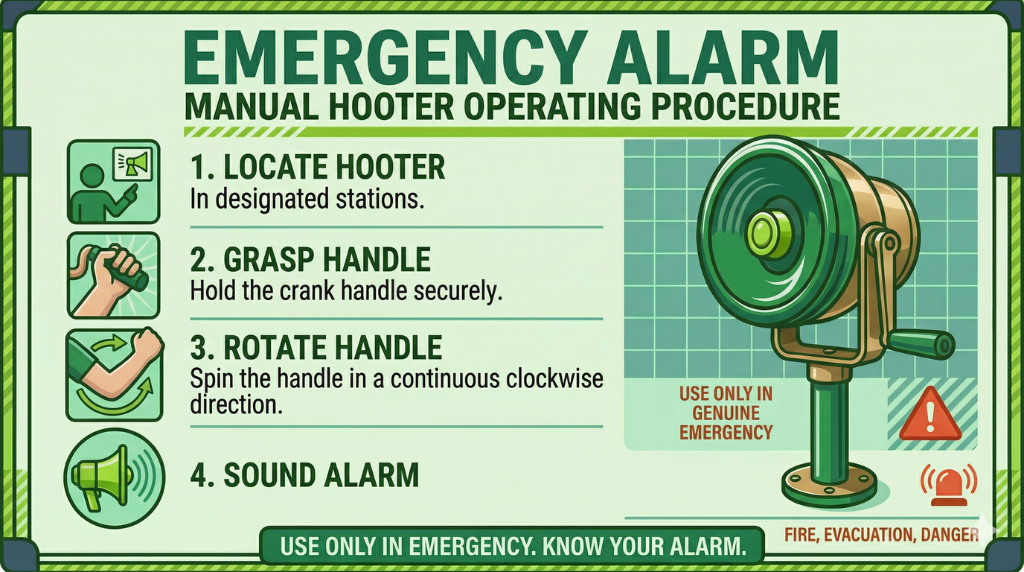
A manual hooter is an audible fire alarm notification device that produces a loud warning sound (typically 85–120 dB) to alert occupants during emergencies such as fire, gas leaks, or evacuation situations. In technical terms, it is part of a Fire Alarm System (FAS) and functions as an audible signaling appliance. It is commonly connected […]
What Is a UL Listed Product?
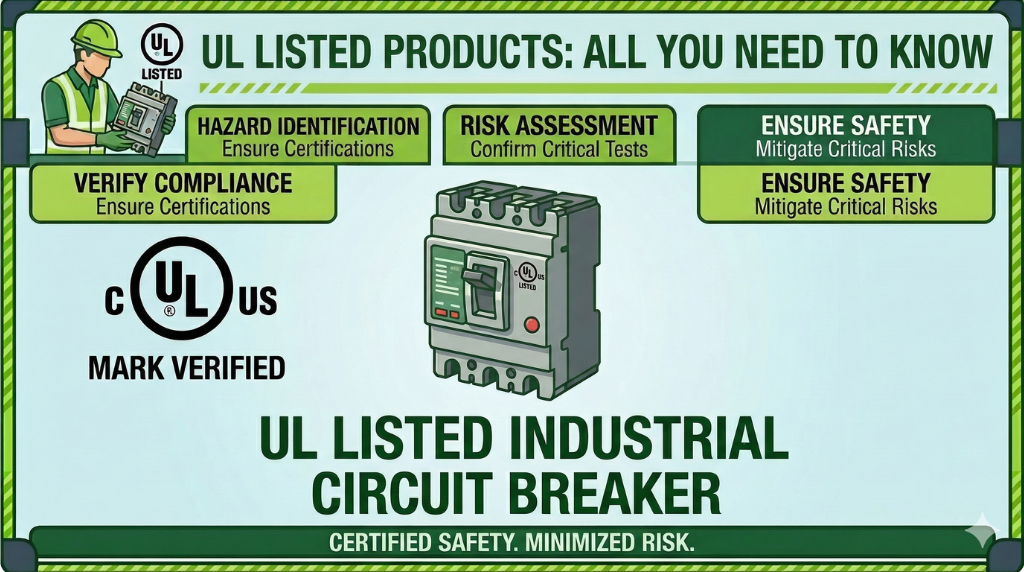
When a product is UL Listed: UL mark example:UL LISTED with a control number that can be verified in UL’s official Product iQ database. 🔎 What Does “UL Listed” Actually Mean? UL listing confirms: In fire protection, UL tests products under standards such as: 🏢 Why Companies Demand UL Listed Products 1️⃣ Legal Compliance Many […]
Fishbone Model for RCA – Case Application on Rana Plaza Collapse
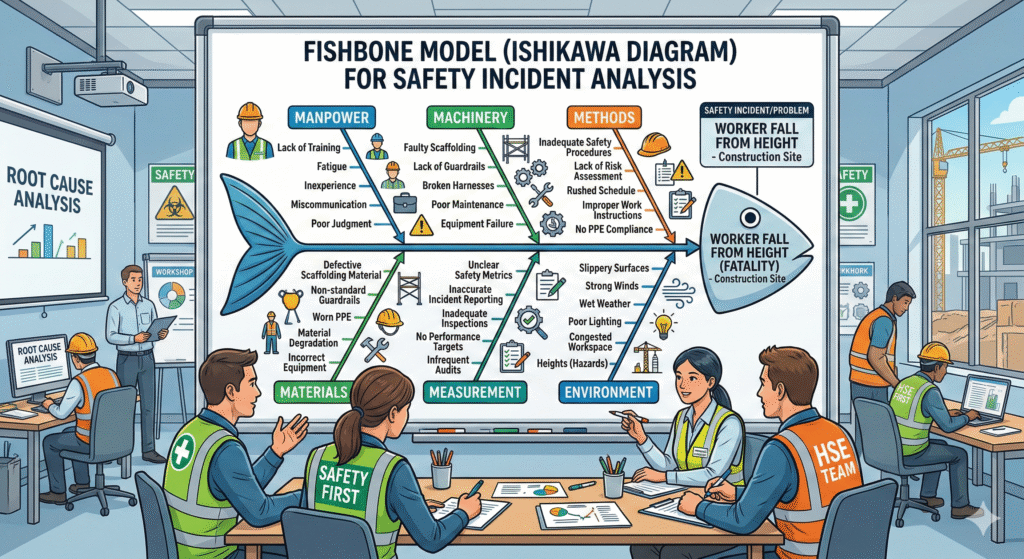
The Fishbone Diagram (also called Ishikawa Diagram or Cause-and-Effect Diagram) is a structured Root Cause Analysis (RCA) tool used to systematically identify, categorize, and analyze contributing factors of a failure event. In high-risk industries such as construction, manufacturing, and occupational safety, the Fishbone model prevents superficial conclusions and forces investigation into systemic weaknesses. The collapse […]
Role of SLD and Thermography in Electrical Safety
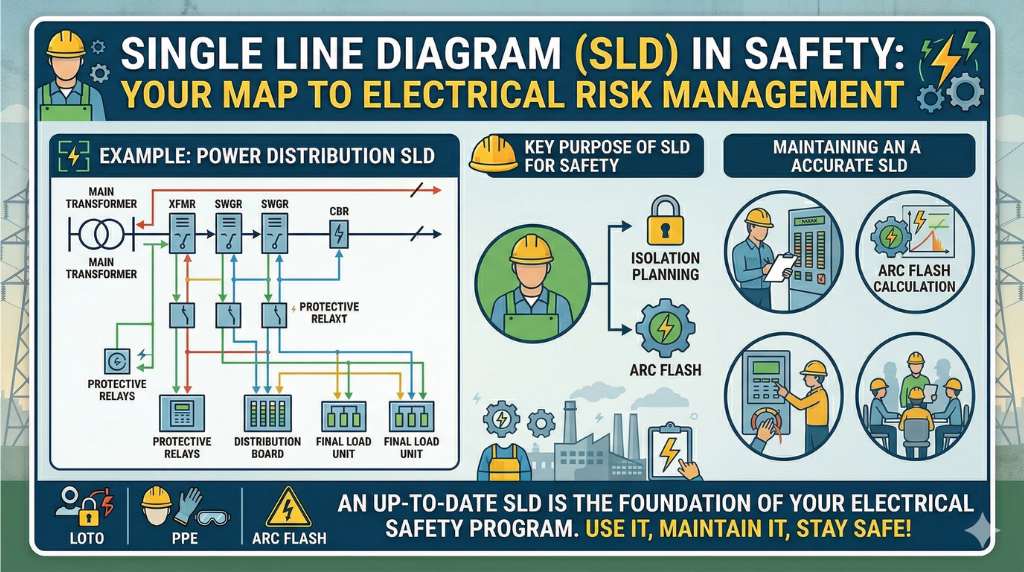
1️⃣ Role of Single Line Diagram (SLD) in Electrical Safety System Visibility & Risk Mapping An SLD provides a complete visual map of the electrical distribution system from source to final loads. It identifies transformers, panels, breakers, feeders, and protection devices in a structured format. This allows engineers and auditors to understand fault paths, isolation […]
Why Leaders and Experienced Professionals Rely on Common Sense for Hazard Identification
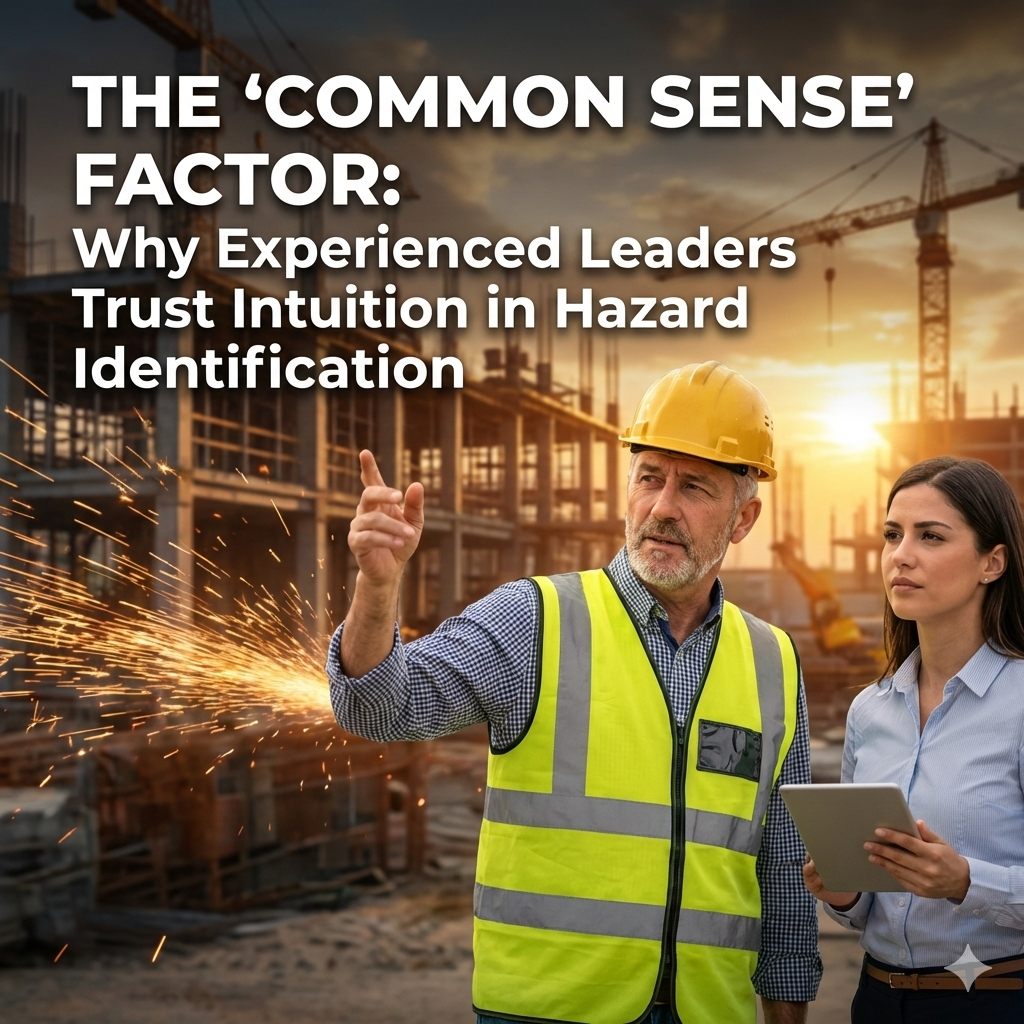
In workplace audits and inspections, experienced leaders often refer to something simple yet powerful — common sense.But common sense in safety is not casual thinking. It is developed situational awareness built through experience, observation, and risk perception.Senior professionals use their five senses effectively because they have trained their minds to recognize patterns, deviations, and unsafe […]
Workplace Lighting Standards: Ensuring Safety and Productivity
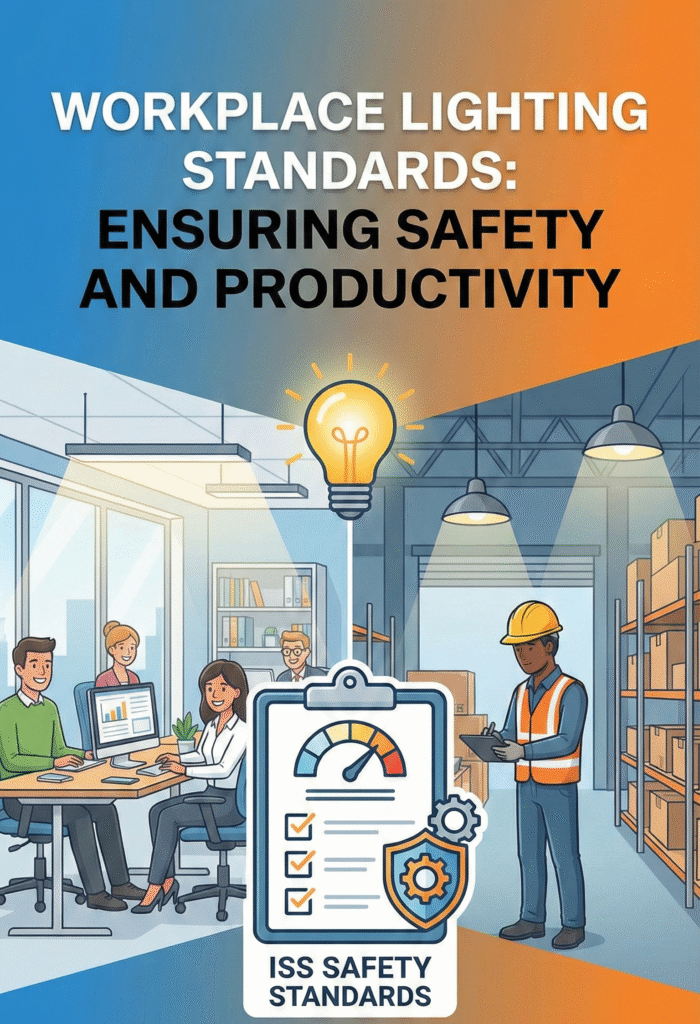
Proper lighting is a crucial yet often overlooked aspect of workplace health, safety, and productivity. Poor lighting can lead to accidents, visual fatigue, decreased efficiency, and long-term eye strain. NEBOSH IDIP Level 6 emphasizes lighting as part of the broader work environment management for occupational safety. Here’s what you need to know. 1️⃣ Importance of […]