
Spill Kit: The Complete Guide to Spill Control, Hazard Management, Environmental Protection, and Workplace Safety

Introduction to Spill Kit Spill kit in modern industries, workplaces frequently handle various liquids such as oils, fuels, lubricants, chemicals, solvents, paints, acids, alkalis, and other hazardous substances. These materials are essential for production, maintenance, transportation, and operational activities; however, they also present significant risks when accidentally released into the workplace. A leak from a […]
Self-Contained Breathing Apparatus (SCBA): A Complete Guide for Firefighting, Rescue, Confined Space Entry, and Industrial Emergency Response

Introduction A Self-Contained Breathing Apparatus, commonly known as SCBA, is one of the most critical life-saving devices used in firefighting, rescue operations, confined space entry, hazardous material response, marine safety, industrial emergency response, and oil and gas operations. In any environment where the atmosphere is unsafe to breathe, the SCBA provides the user with an […]
The Critical Importance of Follow-Up in Safety Management for HSE Professionals
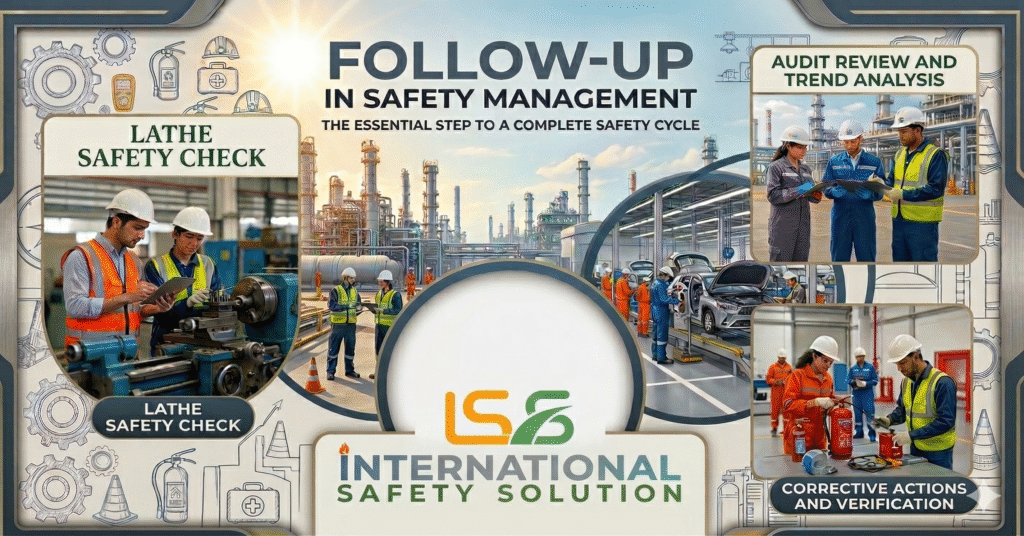
IntroductionIn occupational health and safety, identifying hazards and implementing controls is only half the job. The real effectiveness of any safety system lies in consistent and structured follow-up. Without follow-up, even the best safety plans become ineffective, leading to recurring incidents, non-compliance, and operational risks. For safety officers and professionals across industries, follow-up is not […]
Waste Containers in Workplace Safety
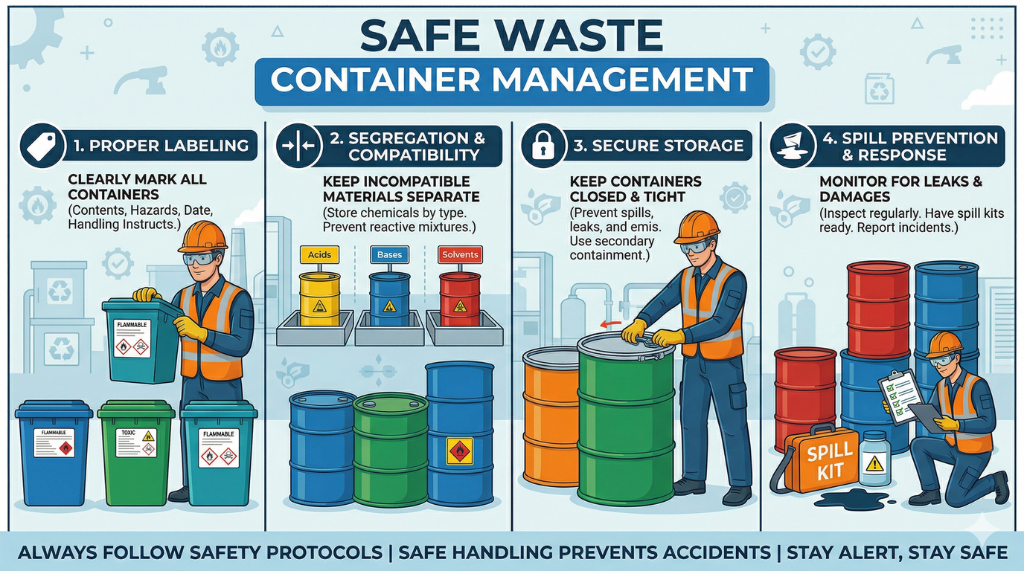
Maintaining Cleanliness, Color Coding, Standards & Safe Placement 1. Introduction A clean and organized workplace is a fundamental requirement of Occupational Health & Safety (HSE). Proper waste management—especially through the use of suitable waste containers—plays a critical role in preventing hazards, improving productivity, and ensuring regulatory compliance. Organizations following guidelines from the Occupational Safety and […]
Fishbone Model for RCA – Case Application on Rana Plaza Collapse
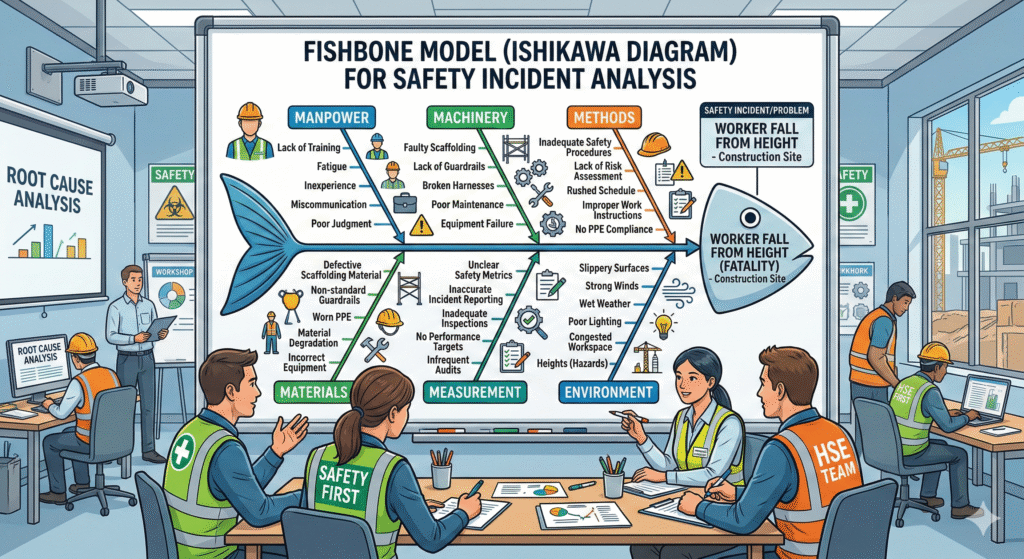
The Fishbone Diagram (also called Ishikawa Diagram or Cause-and-Effect Diagram) is a structured Root Cause Analysis (RCA) tool used to systematically identify, categorize, and analyze contributing factors of a failure event. In high-risk industries such as construction, manufacturing, and occupational safety, the Fishbone model prevents superficial conclusions and forces investigation into systemic weaknesses. The collapse […]
Why We Must Manage Health and Safety in the Workplace – Moral, Legal, and Financial Reasons
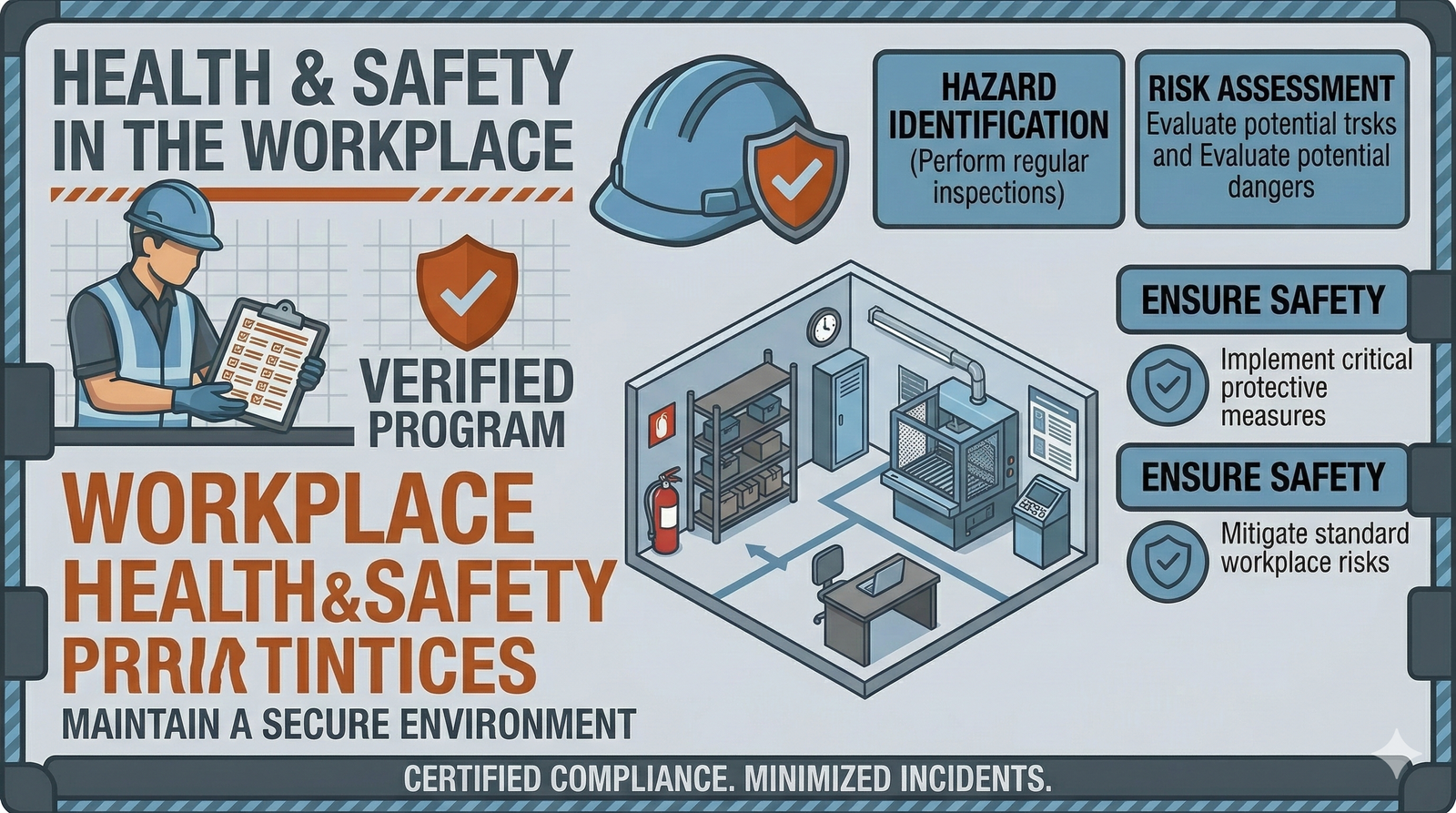
Managing Health, Safety, and Environment (HSE) is not optional — it is essential for every workplace. Proper HSE management protects workers, improves business performance, and ensures legal compliance. Here are the three major reasons to manage HSE effectively: 1️⃣ Moral Responsibility – Protecting Human Life ✅ ExplanationThe first and most important reason to manage HSE […]
Hazard Identification, Risk Assessment and Control (HIRAC) – Simple Guide to Workplace Safety
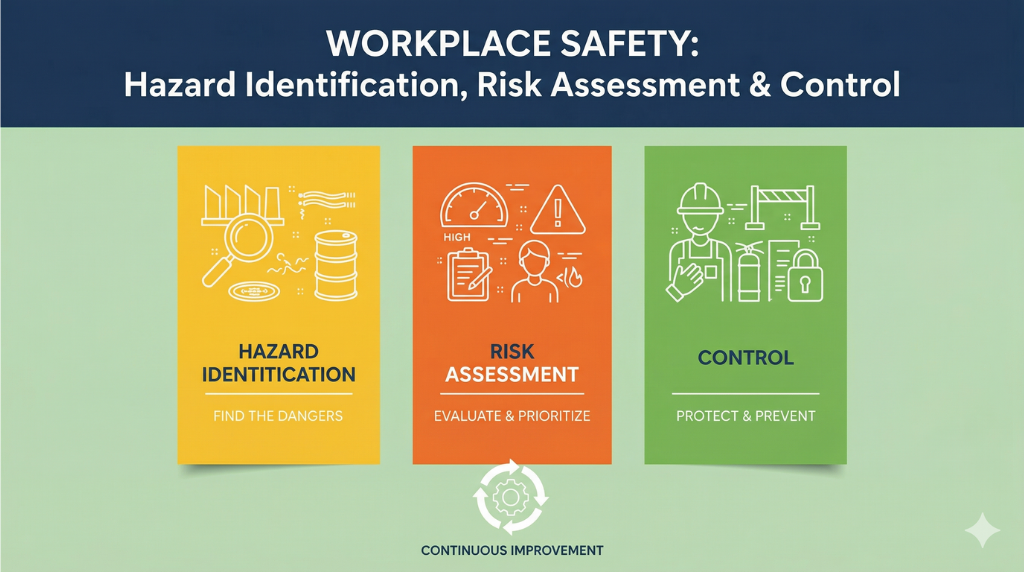
In Occupational Health, Safety, and Environment (HSE) practice, HIRAC is the backbone of workplace safety. It helps prevent incidents, near misses, and accidents by identifying hazards, assessing risks, and applying control measures systematically.This guide explains HIRAC in simple terms with practical examples, including the Hierarchy of Controls. 1️⃣ Hazard Identification (H)✅ Simple DefinitionHazard Identification is […]
Accidents, Incidents & Near Misses – What Every HSE Professional Must Know
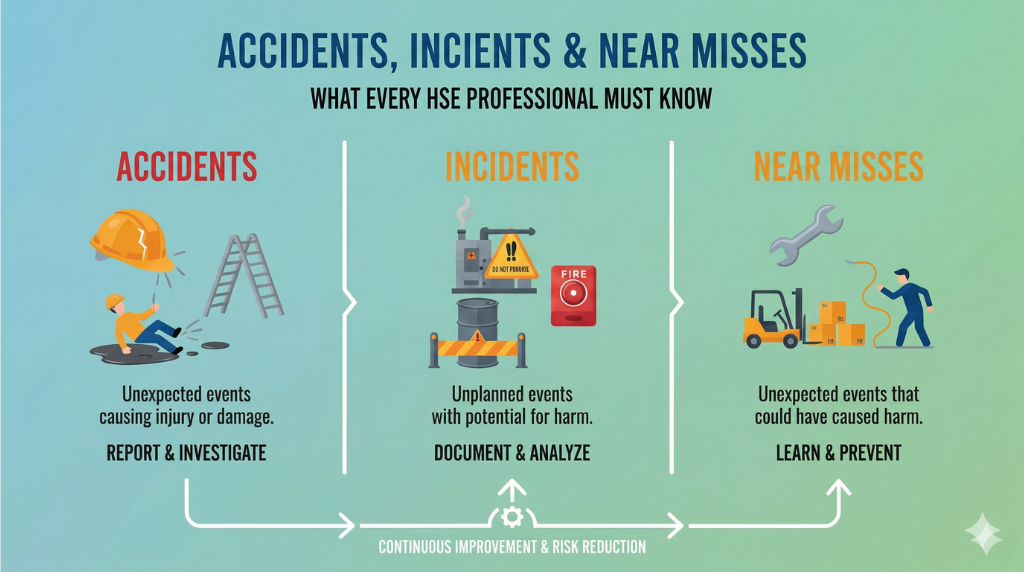
In Occupational Health, Safety and Environment (HSE) management, the terms incident, near miss, and accident are frequently used. Although they are related, they have distinct meanings in professional safety practice. Misunderstanding these terms can affect reporting, investigation, and preventive controls.This article explains each concept clearly, using technical terminology and practical examples. 1️⃣ What is an […]
Why Six-Side (360°) Observation Is Critical in Safety
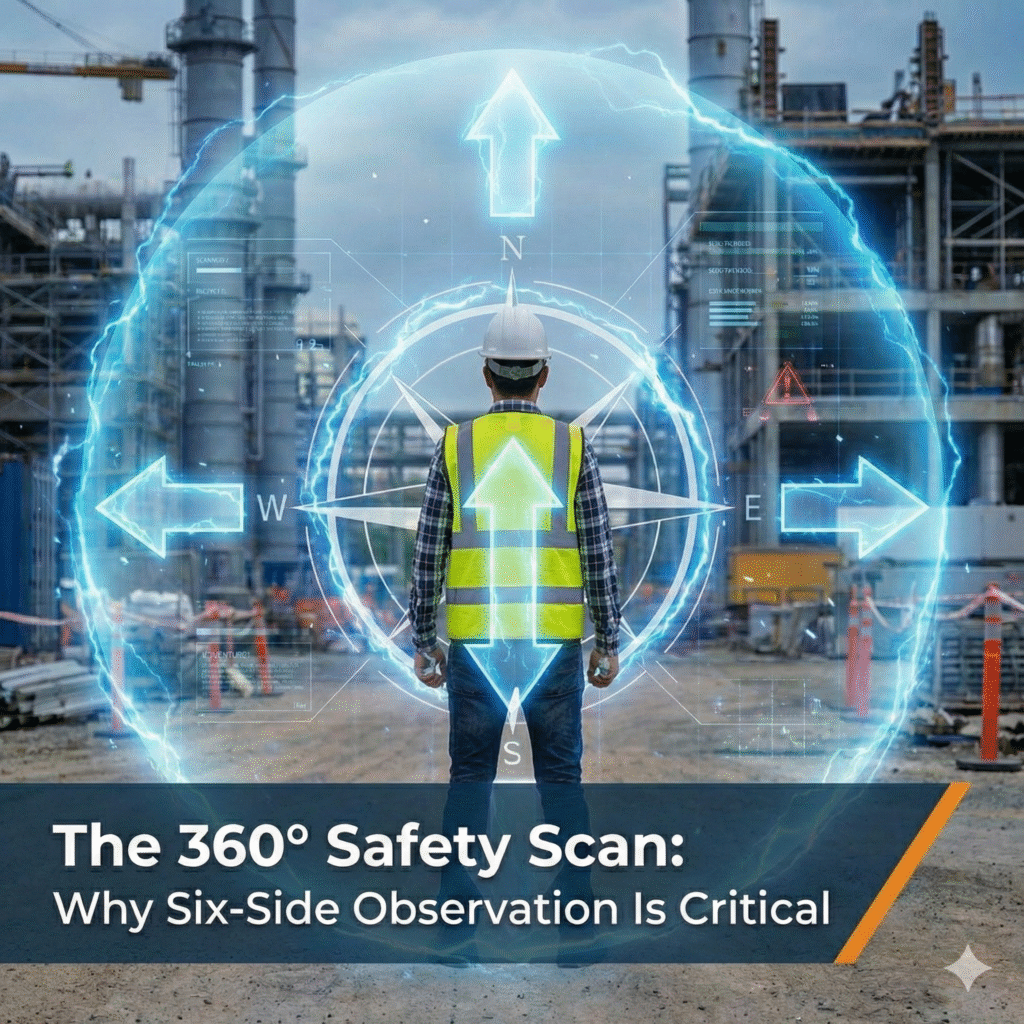
Many incidents happen because a worker or inspector focuses only on what is in front. Experienced HSE professionals are trained to scan all directions before declaring an area safe. 1️⃣ Front – Immediate Task Hazard This includes: Moving machinery Rotating parts Hot surfaces Chemical handling Vehicle movement Most people focus only here — which is […]
Why Leaders and Experienced Professionals Rely on Common Sense for Hazard Identification
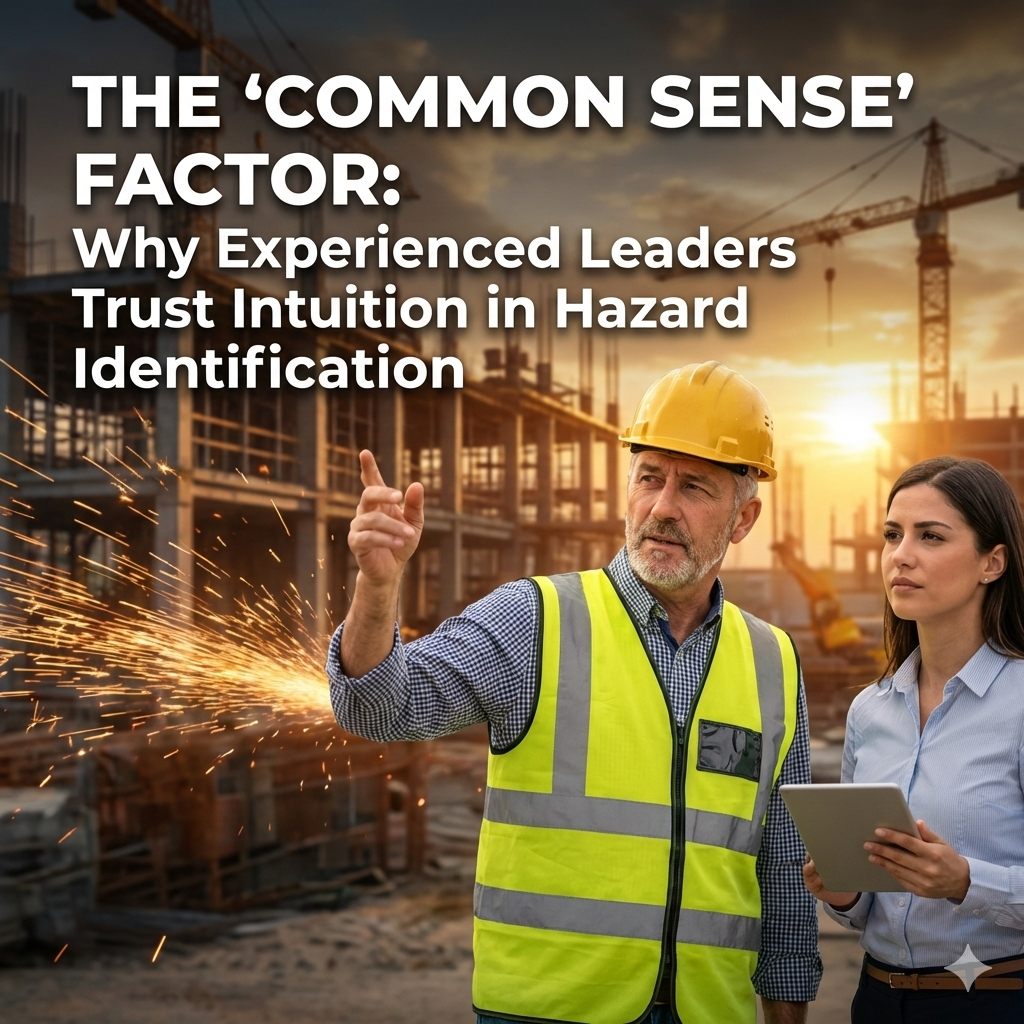
In workplace audits and inspections, experienced leaders often refer to something simple yet powerful — common sense.But common sense in safety is not casual thinking. It is developed situational awareness built through experience, observation, and risk perception.Senior professionals use their five senses effectively because they have trained their minds to recognize patterns, deviations, and unsafe […]